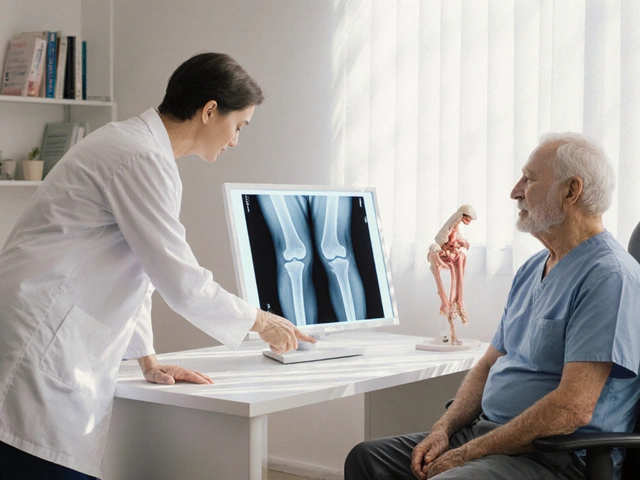
Open-Heart Surgery Side Effects: What to Expect and How to Recover
When you undergo open-heart surgery, a major surgical procedure to repair or replace heart structures like valves or arteries. Also known as cardiac surgery, it saves lives—but it’s not without risks. Many patients feel better afterward, but up to 42% of older adults experience temporary brain fog, memory lapses, or trouble focusing, according to studies tracking cognitive changes after surgery. These aren’t rare. They’re part of what makes recovery so unpredictable.
Side effects don’t just show up right away. Pain peaks around day three, inflammation builds over days, and emotional fatigue hits when you least expect it. Some people deal with chest discomfort for weeks. Others notice numbness along the incision or trouble sleeping. Infections, bleeding, or irregular heart rhythms can happen, though they’re less common with modern care. What’s often overlooked? The brain. Your brain doesn’t sit still during heart surgery. Tiny air bubbles or reduced blood flow can temporarily affect memory and focus. That’s not dementia. It’s post-op brain fog, a common, usually temporary decline in mental clarity after major surgery. It fades for most, but knowing it’s normal helps you stop blaming yourself for forgetting names or losing focus.
Recovery isn’t just about healing the chest. It’s about managing fatigue, relearning daily tasks, and adjusting to a new rhythm. Some people need help walking, bathing, or cooking again. Others struggle with anxiety or depression—feeling trapped in their own body. That’s why support matters. Talking to someone who’s been through it, sticking to a gentle routine, and moving slowly but consistently make a bigger difference than you’d think. And yes, some side effects overlap with other conditions. If you have diabetes or kidney issues, your risk for complications goes up. Smoking? That’s a red flag. Obesity? It slows healing. These aren’t just stats—they’re real factors your doctor uses to plan your care.
Not everyone feels the same after surgery. One person might be back to gardening in six weeks. Another might need three months just to feel like themselves. There’s no single timeline. But knowing what to watch for—like sudden confusion, fever, swelling, or shortness of breath—can help you catch problems early. You’re not alone in this. Thousands go through it every year in India, and the stories you’ll find below cover the real stuff: the good days, the bad days, the quiet moments of doubt, and the small wins that add up.
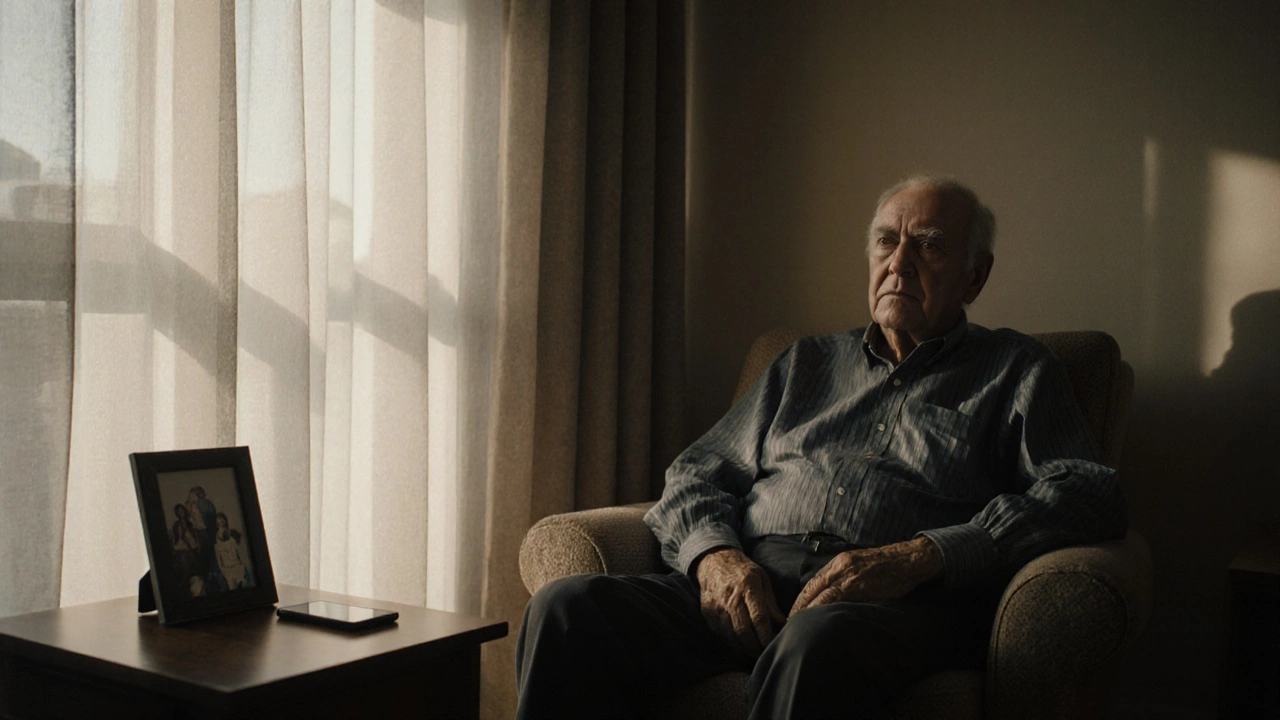
Why Do People Experience Personality Changes After Open-Heart Surgery?
Many people experience personality and cognitive changes after open-heart surgery due to brain inflammation, micro-emboli, and anesthesia effects. These shifts are common, often temporary, and treatable with early intervention.
View MoreLatest Posts