Most Feared Cancer: What Makes It So Deadly and Who’s at Risk
When people talk about the most feared cancer, a group of cancers with extremely low survival rates due to late detection and rapid spread, they’re not just being dramatic. These aren’t the cancers you hear about in awareness campaigns—they’re the ones doctors dread diagnosing. Pancreatic cancer, a silent killer that shows no early symptoms and spreads before it’s found, tops the list. So does glioblastoma, an aggressive brain tumor with almost no long-term survivors. And lung cancer, often linked to smoking but also found in non-smokers due to pollution or genetics, kills more people each year than colon, breast, and prostate cancers combined. These aren’t just statistics—they’re real diagnoses that change lives overnight.
What makes these cancers so terrifying isn’t just how fast they grow, but how little warning they give. Unlike breast or skin cancer, where lumps or changes are visible, pancreatic cancer hides behind the stomach. Glioblastoma mimics migraines or fatigue. Lung cancer often feels like a stubborn cold. By the time symptoms are undeniable, the cancer has already spread. That’s why survival rates stay stuck at single digits. Even with advanced treatments, many patients don’t live past a year. And while therapies like immunotherapy and targeted drugs are improving outcomes for some cancers, they’ve barely moved the needle for these three. Doctors now know early detection is the only real chance—but there’s no simple blood test or scan to catch them early. That’s why research is racing to find better tools, and why knowing your personal risk matters more than ever.
If you’ve ever wondered why someone you know didn’t make it after a quick diagnosis, it’s often because these cancers don’t wait. They don’t respond to hope alone. They need early action, and that starts with understanding your body. Are you a smoker? Do you have a family history of cancer? Have you had unexplained weight loss, back pain, or headaches that won’t go away? These aren’t normal aging signs—they could be red flags. The posts below dive into the hard truths about these cancers: why they’re so deadly, who’s most at risk, what new science is emerging, and how some people are beating the odds. You won’t find sugar-coated advice here. Just facts, research, and real stories that help you see what’s really going on—and what you can do about it.
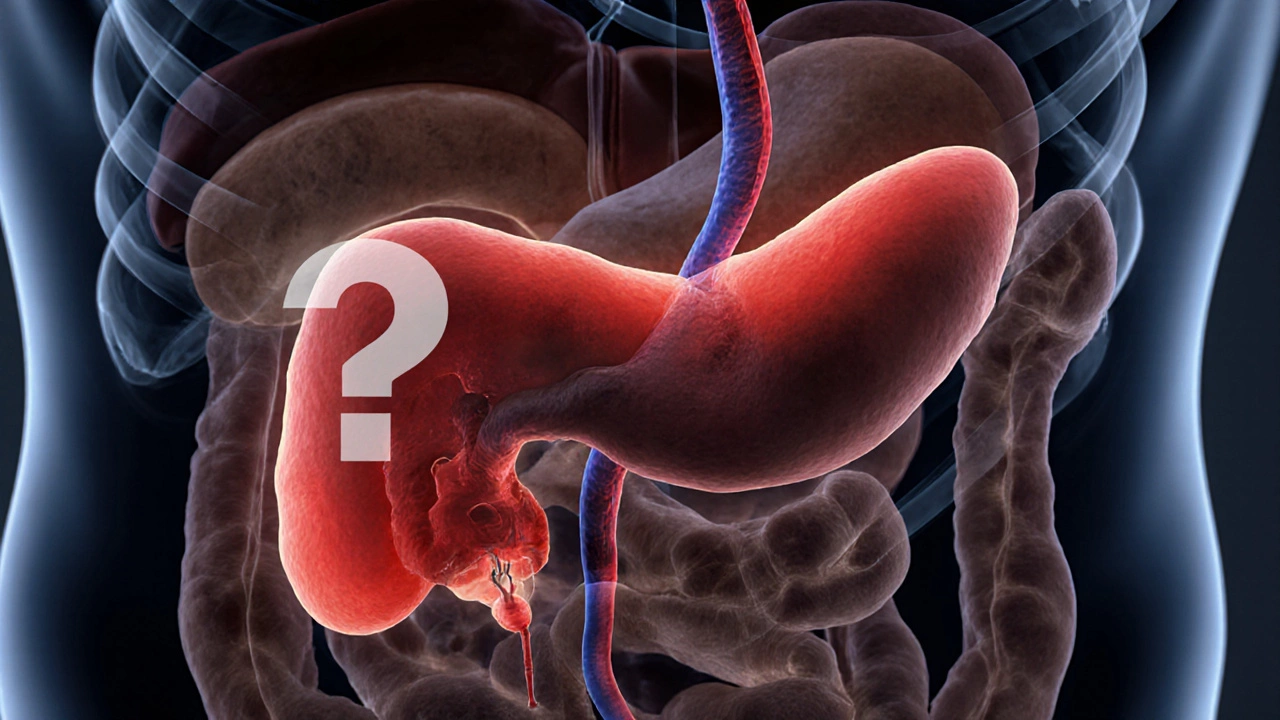
Which Cancer Is Considered the Most Feared?
Pancreatic cancer tops the list of most feared cancers due to low survival and late detection. Learn why, compare top lethal cancers, and discover early‑detection steps and new treatments.
View MoreLatest Posts