Longest Recovery Surgery: What to Expect and How to Prepare
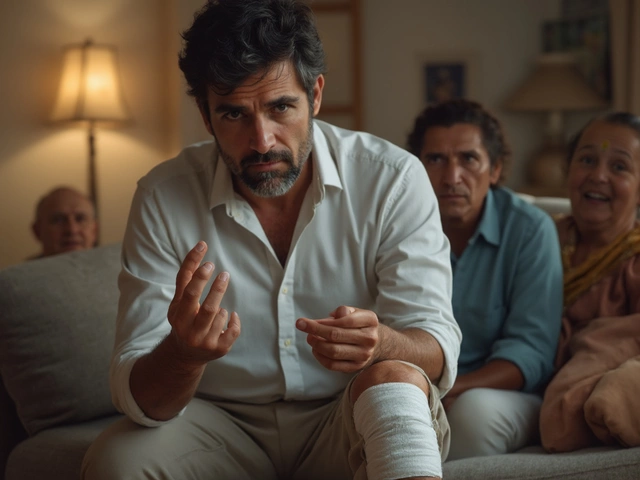
When people talk about the longest recovery surgery, a surgical procedure requiring the most extended healing period due to physical trauma, organ involvement, or systemic impact, they’re often thinking of open-heart surgery. It’s not just the incision that takes time—it’s the body rebuilding strength, the heart adjusting to new rhythms, and the brain clearing the fog left by anesthesia and inflammation. This isn’t a quick fix. It’s a slow rebuild, and knowing what to expect makes all the difference.
Recovery from major cardiac procedures like CABG or valve replacement can stretch from 3 to 6 months, sometimes longer for older patients or those with other health issues. Why so long? Because your heart isn’t the only thing healing. Your ribs were spread open, your chest muscles were cut, and your blood flow was temporarily stopped. Meanwhile, your brain might be dealing with micro-emboli, leading to memory lapses or brain fog—a real side effect seen in up to 42% of patients over 65. And then there’s the emotional toll: fatigue, anxiety, and even personality shifts aren’t rare. These aren’t signs you’re doing something wrong. They’re part of the process.
It’s not just about the surgery itself. What happens after matters just as much. Day 3 is often the worst—not because something went wrong, but because pain peaks, swelling rises, and the initial adrenaline wears off. People expect to feel better by then. They don’t. That’s normal. Recovery isn’t linear. Some days you’ll feel like you’re moving forward. Others, you’ll feel like you’re back at square one. That’s the rhythm of healing after a cardiac surgery, a major operation on the heart or major blood vessels, often requiring open-chest access and prolonged recovery. It’s also why support systems matter. Whether it’s family helping with meals, a physiotherapist guiding movement, or just someone to sit with you when you’re tired, you don’t heal alone.
And it’s not just heart surgery. Other complex procedures—like spinal fusions, organ transplants, or major cancer resections—also demand months of recovery. But heart surgery stands out because it affects so many systems at once: circulation, breathing, sleep, mood, and even thinking. You’re not just recovering a body part. You’re relearning how to live.
If you or someone you love is facing this kind of surgery, don’t rush. Don’t compare your progress to someone else’s. Recovery time depends on age, pre-existing conditions like diabetes or kidney disease, how well you eat, whether you smoke, and even how much you walk each day. The goal isn’t to get back to normal fast. It’s to get back to a version of yourself that’s stronger, more aware, and more careful.
Below, you’ll find real stories and science-backed insights from people who’ve been through it. From why Day 3 hurts the most, to how brain fog clears up, to what actually helps you heal faster—these posts don’t sugarcoat it. They give you the truth. Because when you’re facing the longest recovery surgery, you need facts, not fluff.
Which Surgery Has the Longest Recovery Time? Detailed Guide 2025
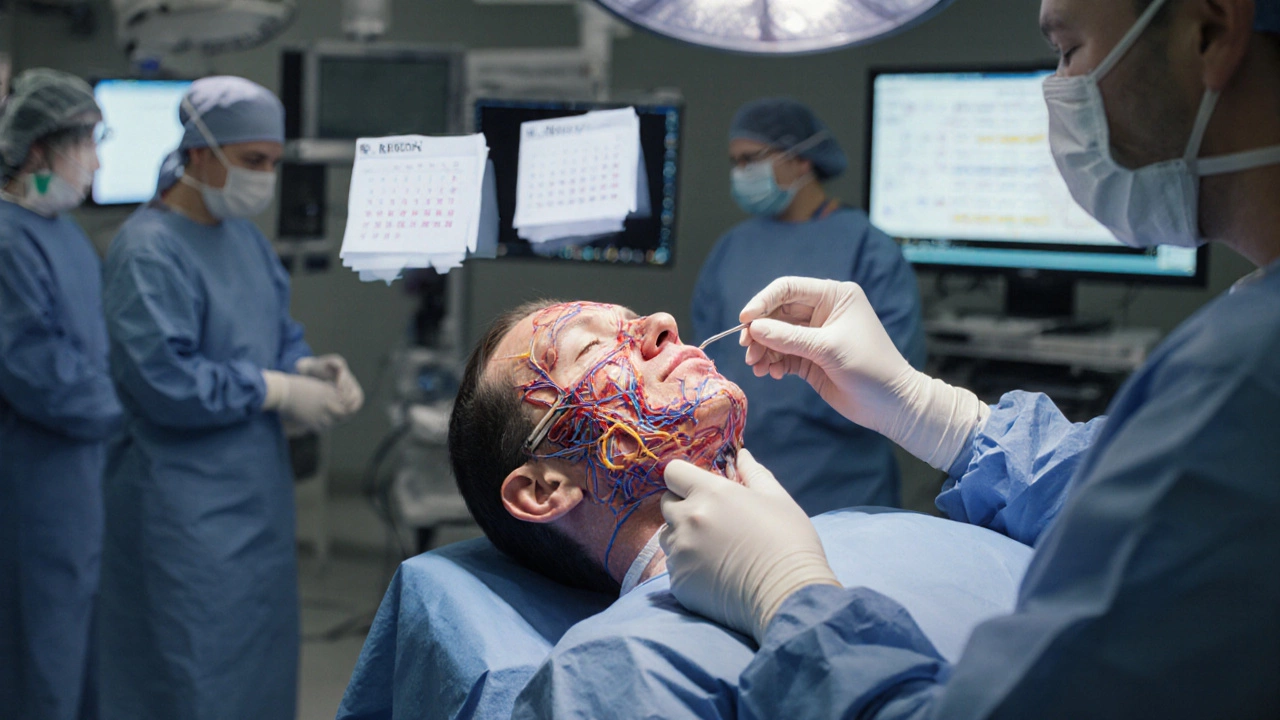
Explore which surgeries demand the longest recovery time, from full facial transplants to multi‑organ transplants, and learn practical tips to manage the prolonged rehab.
View MoreLatest Posts