Life Expectancy in India: What Affects How Long We Live
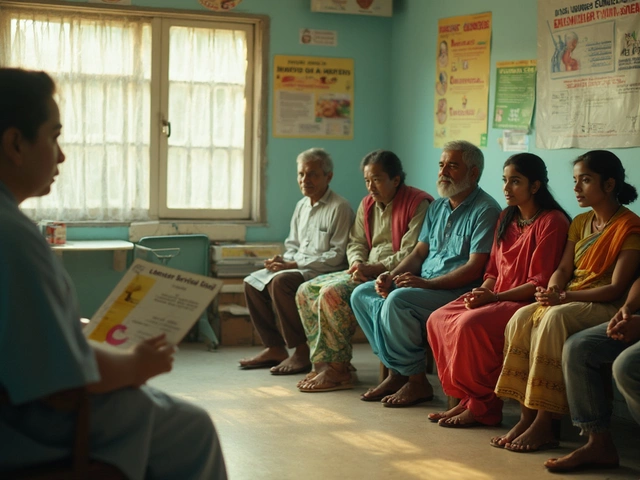
When we talk about life expectancy, the average number of years a person is expected to live based on current health and social conditions. Also known as average lifespan, it’s not just a number—it’s a reflection of how well people are fed, treated, and supported through illness and aging. In India, life expectancy has climbed over the last 30 years, but the gap between rich and poor, city and village, still runs deep. It’s not just about medicine. It’s about whether you can afford insulin, if you’re exposed to smoke from cooking fires, if you have someone to talk to when you’re overwhelmed, or if you get screened for cancer before it’s too late.
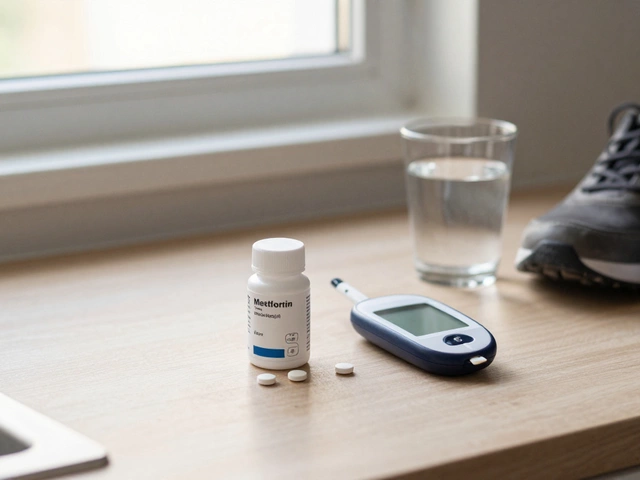
Heart disease, the leading cause of death in India, especially among people under 60. Also known as cardiovascular disease, it cuts lives short not because it’s mysterious—but because it’s ignored until it’s too late. A 55-year-old woman with diabetes might live longer if she takes metformin, moves daily, and sleeps well—but not if she’s stressed, under-treated, or can’t afford regular checkups. Mental health, often dismissed as a luxury in India, actually shapes how long you live. Also known as emotional well-being, it affects everything from blood pressure to immune response. People who feel isolated, ashamed, or unheard are more likely to develop chronic illness and die younger. And cancer survival rates, especially for pancreatic or lung cancer, remain low in India due to late diagnosis. Also known as cancer mortality, they’re not just about science—they’re about access, awareness, and fear. If you don’t know the signs, or can’t afford a scan, you’re not just at risk—you’re at a disadvantage.
Life expectancy isn’t fixed. It’s shaped by daily choices, community support, and whether the system works for you. A person with diabetes who loses weight on semaglutide might add years. Someone recovering from heart surgery who gets help with brain fog might return to life instead of fading. A woman who eats an Ayurvedic dinner balanced for her dosha might feel better, sleep deeper, and avoid inflammation that leads to disease. These aren’t random tips—they’re threads in the same fabric: how we live, what we eat, how we heal, and who’s there to help us.
Below, you’ll find real stories and facts about the conditions that shorten or extend life in India—from the risks of heart surgery to the hidden side effects of detoxes, from mental health warning signs to the drugs that actually help people live longer. This isn’t theory. It’s what people are facing, surviving, and changing every day.
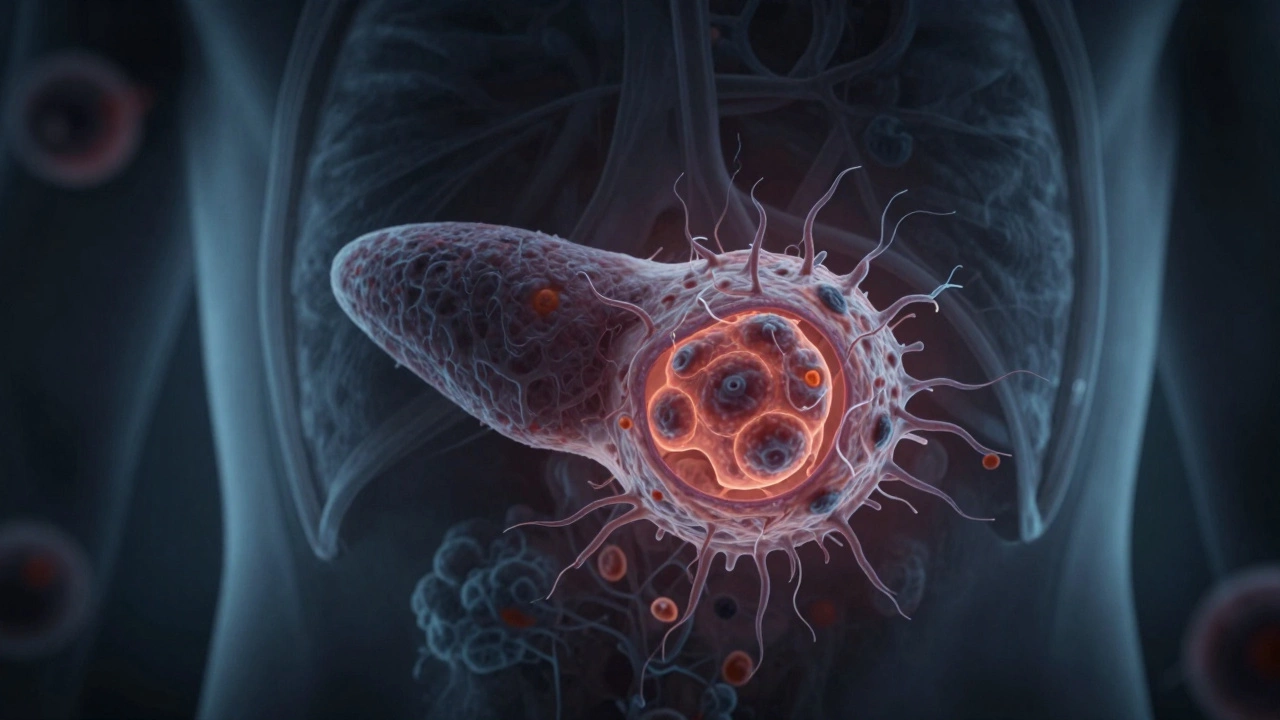
Which Cancer Has the Shortest Life Expectancy?
Pancreatic cancer has the shortest life expectancy of any major cancer, with most patients surviving only 3 to 6 months after diagnosis. Learn why it's so deadly and what can be done.
View More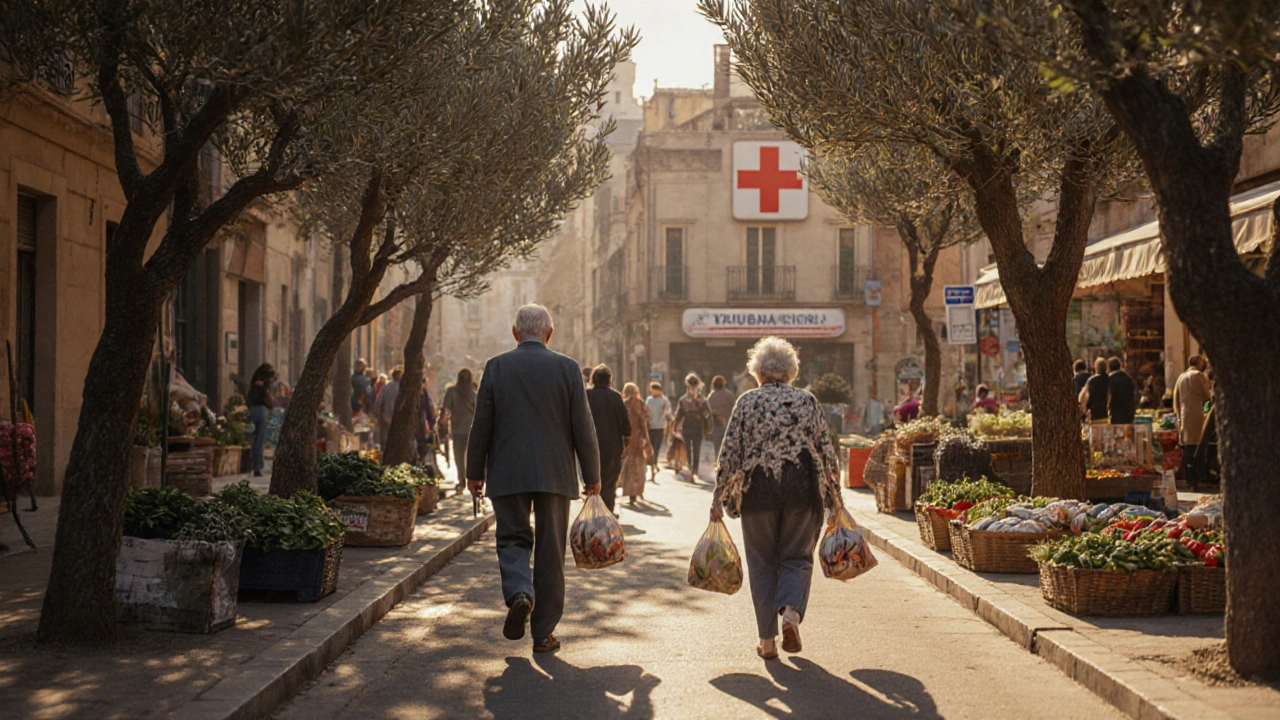
What Is the Healthiest Country in the World? Top Rankings and Why It Matters for Medical Tourism
Spain is the healthiest country in the world based on life expectancy, preventive care, and lifestyle. For medical tourists, it offers high-quality, reliable care without the high costs and risks of other destinations.
View MoreLatest Posts