Knee Replacement Recovery: What to Expect and How to Heal Faster
When you undergo a knee replacement, a surgical procedure where damaged knee joint parts are replaced with artificial components. Also known as total knee arthroplasty, it’s one of the most common orthopedic surgeries in India, especially for people over 50 dealing with severe arthritis. But the surgery is just the start — the real work begins after you leave the hospital.
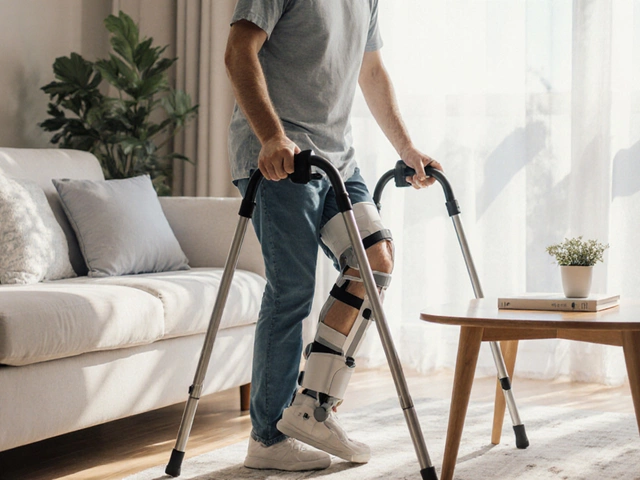
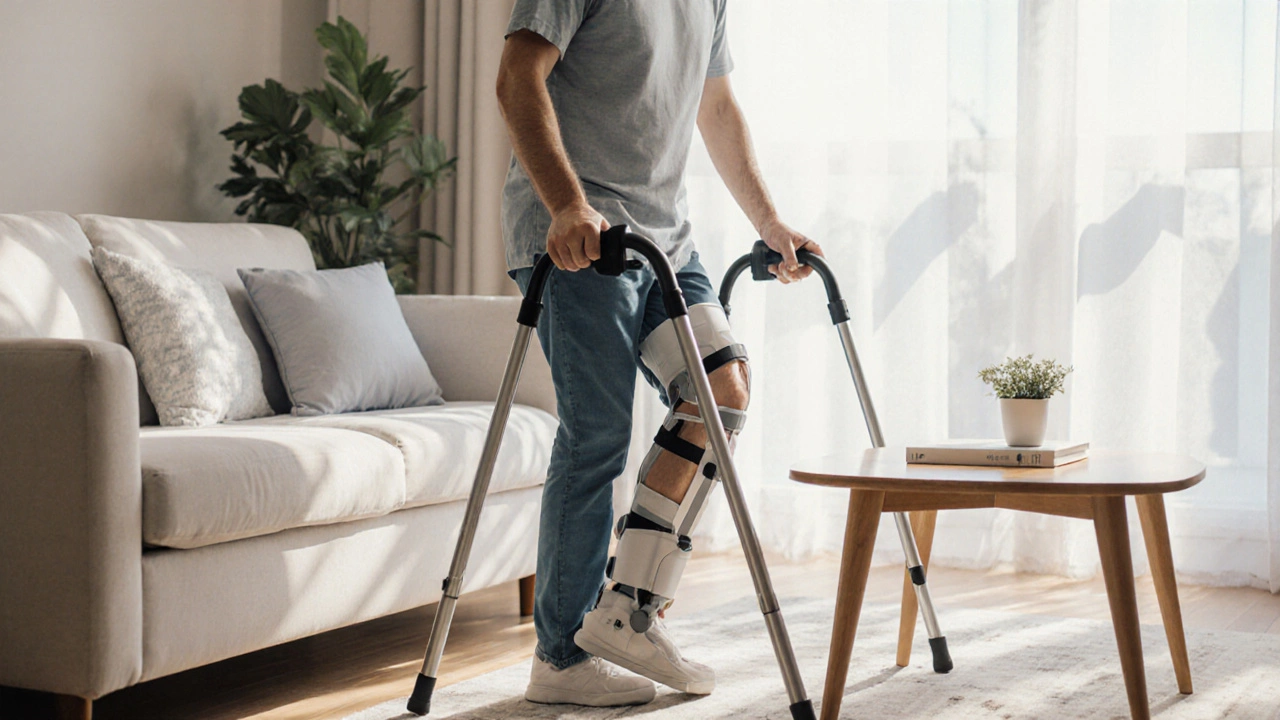
Recovery isn’t a straight line. It’s messy. Some days you’ll feel stronger, others you’ll wonder if you’ll ever walk without pain again. That’s normal. The first week is about managing swelling and getting your leg moving again. By day three, pain often peaks — not because something went wrong, but because your body is healing. Around week two, most people start physical therapy. That’s when knee replacement exercises, specific movements designed to restore mobility and strength after surgery become your new daily routine. These aren’t fancy workouts. They’re simple: straight leg raises, heel slides, seated knee bends. Do them every day, even when you don’t feel like it. Skipping them delays your progress more than anything else.
People often underestimate how long recovery takes. Most patients walk without a cane by six weeks. But full recovery? That can take six months to a year. Your new knee won’t feel like your old one — it won’t bend as far, and you might still feel stiffness in cold weather. That’s okay. What matters is that you can climb stairs, stand for long periods, and walk to the market without pain. Around the three-month mark, many people start doing low-impact activities like swimming or cycling. But avoid high-impact sports like running or jumping. Your implant isn’t designed for that.
Complications aren’t common, but they happen. Infection, blood clots, and stiffness are the big ones. If your knee gets red, hot, or swollen after the first week, call your doctor. Same if you suddenly can’t bend it at all. And don’t ignore mental fatigue. A lot of people feel down after surgery. It’s not just physical pain — it’s frustration, loss of independence, sleep disruption. You’re not weak for feeling this way. It’s part of the process.
What helps more than anything? Movement, patience, and listening to your body. Don’t push through sharp pain. Don’t compare your progress to someone else’s. Your body heals at its own speed. And remember, rehab isn’t just about your knee — it’s about rebuilding your whole life. You’ll need help with meals, showers, and errands early on. Accept it. Ask for it. Recovery isn’t a solo mission.
Below, you’ll find real stories and practical advice from people who’ve been through this. From what to pack for the hospital, to how to sleep comfortably, to the one exercise most people skip but shouldn’t. These aren’t generic tips. They’re what works for real patients in India — with real bodies, real homes, and real lives to get back to.
Average Time Off Work After Total Knee Replacement Surgery
Learn typical time off work after total knee replacement, factors influencing leave length, and tips to return safely. Includes job‑type tables and FAQs.
View More
Why Can't You Shower After Knee Surgery? Real Talk on Water, Wounds, and Healing
Wondering why the simple act of showering is suddenly off-limits after knee surgery? You’re not alone. This article breaks down the practical reasons why surgeons put the brakes on showers, digs into the risks of water and germs, and gives you tips for keeping clean without risking your new knee. Find out how long you’ll have to wait, what you can do instead, and how people get creative with sponge baths and waterproof covers. Get answers to those awkward questions no one warns you about.
View More
Fastest Way to Recover from Knee Replacement Surgery
Knee replacement surgery can be daunting, but recovery doesn't have to be. By focusing on timely rehabilitation, proper nutrition, and effective pain management, many patients can regain mobility swiftly. Exploring tips and busting myths about recovery will empower you to heal effectively. Knowing what to avoid and the benefits of staying active are key to a quicker healing process.
View MoreLatest Posts