Joint Healing: What Works, What Doesn’t, and How to Speed Up Recovery
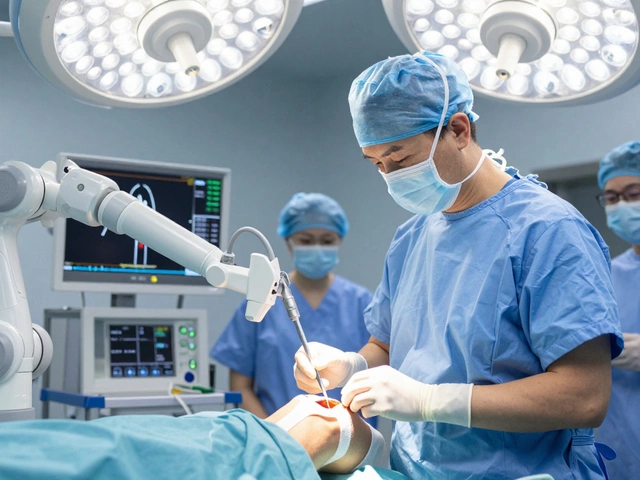
When your joint healing, the process of repairing damaged cartilage, ligaments, or bone around a joint after injury or surgery. Also known as joint recovery, it’s not just about waiting for pain to fade—it’s about actively supporting tissue repair with the right moves, habits, and care. Whether you’re recovering from a sports injury, arthritis flare-up, or a total knee replacement, a surgical procedure to replace a damaged knee joint with artificial components, your body needs more than time. It needs the right kind of movement, the right foods, and the right advice.
Too many people think rest is the answer. But staying still too long weakens the muscles around your joint, making recovery slower and less stable. Studies show that controlled, low-impact movement—like walking, swimming, or gentle cycling—triggers blood flow to the joint, bringing in healing nutrients and flushing out inflammation. That’s why doctors now recommend moving within days after surgery, not weeks. Your orthopedic doctor, a medical specialist trained to diagnose and treat conditions affecting bones, joints, ligaments, and tendons won’t just tell you to rest—they’ll give you a step-by-step plan to rebuild strength without hurting the joint again.
Joint healing also depends on what you eat. Protein rebuilds tissue. Vitamin C helps make collagen—the glue that holds cartilage together. Omega-3s from fish or flaxseed reduce swelling. Skip the processed sugar and fried foods—they feed inflammation, not healing. And don’t fall for quick fixes like unregulated herbal cleanses or miracle creams. They might sound good, but they don’t fix the root issue.
Some people feel better after a few weeks. Others take months. It depends on your age, how bad the damage was, whether you smoke, and if you have conditions like diabetes that slow healing. If your joint still feels stiff, swollen, or painful after 6-8 weeks, it’s not normal. That’s when you need to go back to your orthopedic doctor and ask for imaging or a rehab reassessment.
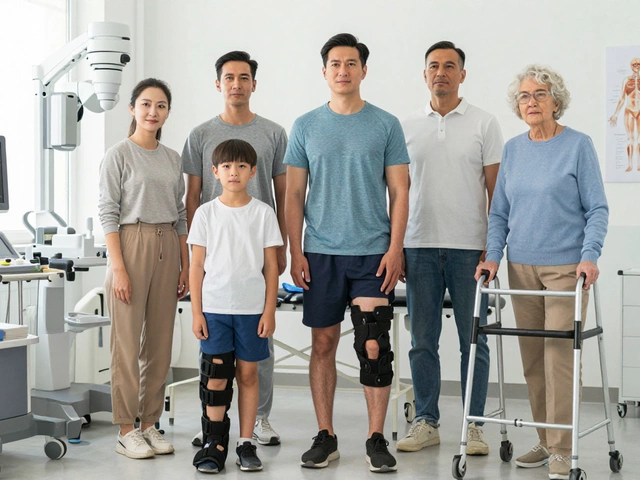
There’s no one-size-fits-all path. A 35-year-old athlete recovering from a torn ligament needs a different plan than a 70-year-old with osteoarthritis after a knee replacement. But the core truth stays the same: healing isn’t passive. It’s active. It’s consistent. It’s smart.
Below, you’ll find real stories and science-backed advice from people who’ve been through it—whether it’s knowing what to tell your doctor before surgery, how long to stay off work after a joint replacement, or why day three after surgery feels like the worst. No fluff. No hype. Just what actually helps joints heal faster and stronger.

Can You Fix Bone-on-Bone in Knee Without Surgery?
Experiencing bone-on-bone knee pain can be tough, but surgery isn't your only option. Learn about alternative treatments that may offer relief without going under the knife. We'll explore non-surgical approaches, such as physical therapy, lifestyle changes, and dietary supplements, that could help manage knee pain effectively. Discover therapies aimed at reducing inflammation and improving joint function. Dive into actionable tips that might ease your discomfort and help you regain mobility.
View MoreLatest Posts