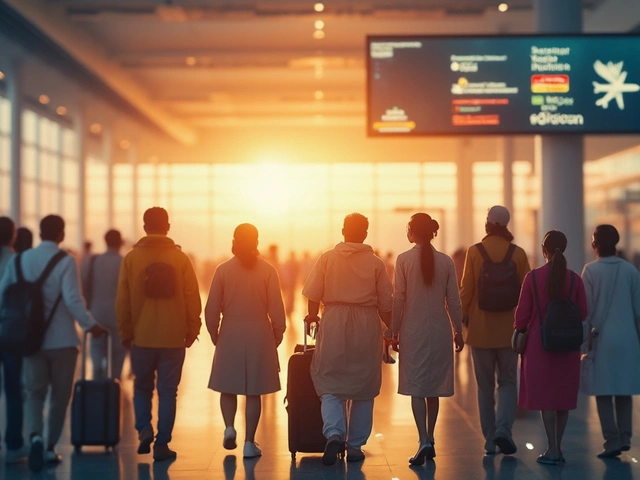
International Travel and Health: What You Need to Know Before You Go
When you plan international travel, crossing borders for work, leisure, or medical care. Also known as overseas travel, it means more than just booking a flight—it means preparing your body for new germs, time zones, and stress. You might feel fine leaving home, but halfway across the world, a stomach bug, sleep chaos, or a missed vaccine can ruin your trip. This isn’t fear-mongering. It’s fact. The CDC and WHO track over 2 million cases of travel-related illness every year, and most are preventable.
Vaccine requirements, the shots or documents some countries demand before entry. Also known as proof of immunization, they’re not optional for places like Brazil, Indonesia, or parts of Africa. Yellow fever, typhoid, hepatitis A—these aren’t just old-school shots. They’re your first line of defense. Skip them, and you could be turned away at customs or end up in a foreign hospital. Even if your destination doesn’t require them, some vaccines are smart insurance. For example, if you’re eating street food in India or hiking in rural Thailand, hepatitis A and typhoid vaccines cut your risk by 90%. Then there’s jet lag, the body clock crash that happens when you cross three or more time zones. Also known as desynchronosis, it’s not just feeling tired. It’s brain fog, digestive trouble, and poor sleep for days. Studies show travelers who adjust light exposure and meal times before departure recover 40% faster. No magic pills. Just timing. And don’t forget travel insurance, the safety net that covers medical emergencies abroad. Also known as medical evacuation coverage, it’s not a luxury. One heart attack in Thailand or a broken ankle in Spain can cost $50,000 without it. Most credit cards offer weak coverage. A real policy includes air ambulance, hospital cash, and 24/7 doctor access.
What you’ll find below isn’t theory. It’s real stories and data from people who’ve dealt with Ozempic on a 12-hour flight, recovered from heart surgery before a trip, or learned the hard way that Ayurvedic cleanses don’t mix with international flights. Some posts explain why Day 3 after surgery is the worst time to fly. Others warn about fake online pharmacies selling fake malaria pills. You’ll learn how to pick a safe pharmacy abroad, what to tell your doctor before you leave, and why mental health matters more than you think when you’re far from home. This isn’t a checklist. It’s a survival guide written for travelers who want to stay healthy—not just survive the trip, but enjoy it.

Is Health Tourism Legal? Here's What You Need to Know
Curious about the legal side of health tourism? This article breaks down what makes medical tourism legal or illegal, dives into real laws across different countries, and shows which rules travelers need to follow. You'll pick up tips for avoiding legal trouble and learn why some procedures are allowed only in certain places. Get the practical info you need before booking your trip for treatment abroad.
View MoreLatest Posts