Implant Complications: What You Need to Know About Risks and Recovery
When you get a implant, a medical device placed inside the body to replace or support a missing structure. Also known as surgical implant, it can be a dental crown, joint replacement, or cardiac device—each designed to restore function. But even the best implants can run into trouble. Implant complications aren’t rare, and they’re not always predictable. Many people assume once the surgery is over, the hard part is done. That’s not always true.
One of the biggest issues is infection. Bacteria can sneak in during or after surgery, especially around dental implants, leading to gum inflammation, bone loss, or even implant rejection. Another common problem is poor integration—when the body doesn’t accept the implant as part of itself. This often happens in people with diabetes, osteoporosis, or those who smoke. Then there’s mechanical failure: screws loosening, crowns cracking, or joints wearing out faster than expected. These aren’t just theoretical risks. Studies show up to 10% of dental implants develop complications within five years, and joint replacements can fail due to wear, misalignment, or immune reactions.
Recovery doesn’t end when the stitches come out. The body keeps reacting for weeks, sometimes months. Swelling, numbness, or unusual pain after the first week? That’s not normal. And if you notice pus, a bad taste in your mouth, or the implant feels loose—don’t wait. Early detection can save the implant and avoid bigger surgery. People with weak immune systems, poor oral hygiene, or those taking steroids or chemotherapy are at higher risk. Even stress and grinding your teeth can contribute to failure. It’s not just about the implant itself—it’s about your whole health.
Some complications show up long after the procedure. A dental implant that worked fine for three years might start to loosen because of bone loss. A hip implant might cause metal ions to leak into your bloodstream. These aren’t always obvious. That’s why follow-ups matter. The posts below cover real cases and lessons from people who’ve been through this: why day three after heart surgery is the worst, how brain fog can follow major operations, what happens when your body rejects a foreign object, and how to tell if something’s wrong before it becomes a crisis. You’ll find advice on recognizing early signs, understanding your risk factors, and what steps to take if things go off track. This isn’t just about avoiding problems—it’s about knowing what to watch for so you can act fast.
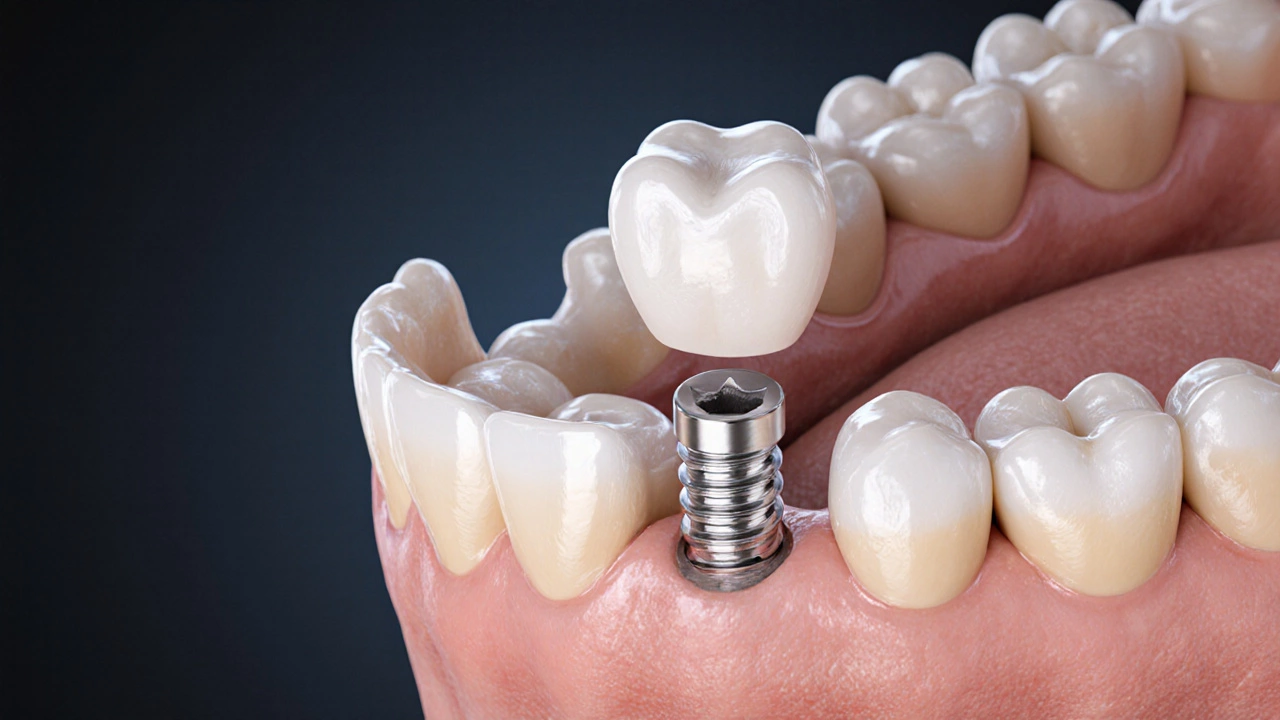
Dental Implant Drawbacks: Risks, Costs, and Complications Explained
Explore the major downsides of dental implants, including risks, costs, healing time, and long‑term maintenance, to help you decide if they're right for you.
View MoreLatest Posts