Holy Basil: Benefits, Uses, and What You Need to Know
When you hear holy basil, a sacred plant in Ayurvedic tradition, also known as tulsi, used for its calming and anti-inflammatory properties. Also known as tulsi, it’s not just a spiritual symbol—it’s a daily tool for health in millions of Indian households. This isn’t just another herbal trend. People in India have been chewing its leaves, brewing tea from them, and adding them to meals for over 5,000 years—not because it’s traditional, but because it works.
What makes holy basil different from regular basil? It’s packed with compounds like eugenol, rosmarinic acid, and linalool that help lower cortisol, reduce swelling, and even support lung function. Studies show it can help manage blood sugar levels, which is why it often comes up in conversations about Ayurvedic medicine, a holistic health system from India that uses herbs, diet, and lifestyle to balance the body. But here’s the catch: holy basil isn’t a magic pill. It’s a gentle, daily support. And like any herb, it doesn’t play well with everyone. If you’re on blood pressure meds or diabetes drugs, it can amplify their effects. That’s why you’ll find articles here about herbal interactions, when natural remedies clash with prescription drugs, causing risks like low blood sugar or excessive bleeding. You don’t want to mix holy basil with metformin or blood thinners without knowing the risks.
It’s also tied to how people use herbs in daily life. You’ll see posts about Ayurvedic diet, a food system based on balancing body types called doshas, where holy basil is often recommended for Pitta and Kapha types, and how meals are timed around digestion. But holy basil doesn’t just live in kitchens—it’s in teas, tinctures, and even supplements. And that’s where things get tricky. Not all holy basil products are equal. Some are diluted. Others are mislabeled. That’s why guides here help you spot safe online pharmacies and avoid fake herbal products.
People turn to holy basil for stress, breathing issues, or just to feel more grounded. But it’s not always the answer. If you’re dealing with chronic anxiety, thyroid problems, or autoimmune conditions, you need more than a leaf. That’s why the posts here don’t just praise herbs—they warn you. They show you what happens when you combine holy basil with other herbs, why some cleanses backfire, and when to skip the tea and see a doctor instead.
What you’ll find below isn’t a list of miracle cures. It’s real talk about how herbs like holy basil fit into modern health—what helps, what hurts, and what you need to know before you take another sip.
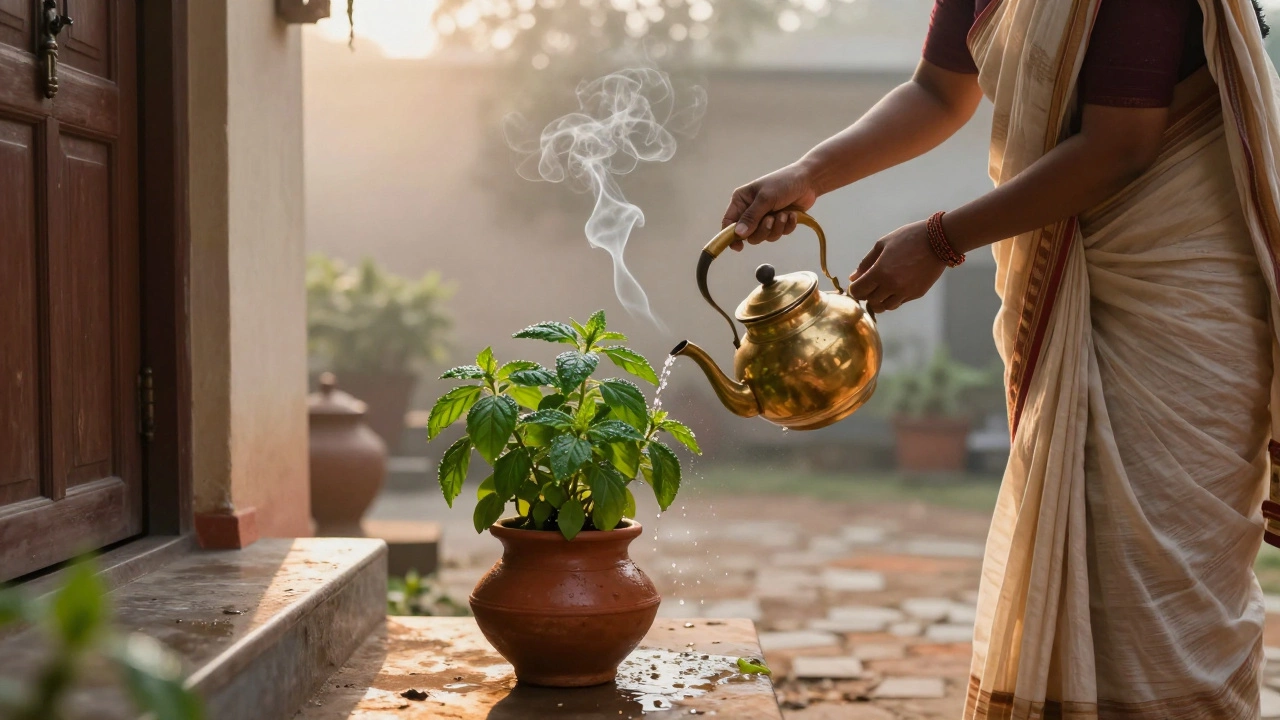
What Is the King of All Herbs in Ayurveda?
Tulsi, or holy basil, is known as the king of all herbs in Ayurveda for its powerful effects on immunity, stress, and respiratory health. Used daily in Indian households for thousands of years, it’s a natural, safe herb with science-backed benefits.
View MoreLatest Posts