Hardest Cancer to Survive: Why Pancreatic Cancer Leads the Stats
When people talk about the hardest cancer to survive, a type of malignant disease with extremely low survival rates due to late diagnosis and aggressive spread. Also known as the silent killer, it's not the most common—but it’s the one that catches people too late. Among all cancers, pancreatic cancer, a tumor that forms in the tissues of the pancreas, often spreading before symptoms appear stands out. It doesn’t cause obvious warning signs until it’s advanced. By the time pain, jaundice, or weight loss show up, the cancer has often moved to the liver or nearby organs. That’s why only about 12% of people diagnosed with it live five years or longer.
What makes cancer survival rate, the percentage of people alive a certain number of years after diagnosis so low for pancreatic cancer? Unlike breast or skin cancer, there’s no simple screening test. Mammograms and skin checks catch problems early. For the pancreas? Nothing reliable exists. Doctors usually find it by accident during scans for other issues—or when the patient is already very sick. Even when caught early, it grows fast and resists chemo and radiation better than most cancers. And it’s not just about the tumor. The pancreas sits deep in the abdomen, surrounded by major blood vessels and nerves. Surgery is risky, recovery is brutal, and recurrence is common.
Other cancers like lung, liver, and ovarian also have low survival rates, but they often come with clearer risk factors—smoking, alcohol, family history. Pancreatic cancer? It strikes people with no obvious warning. Still, some patterns exist: long-term smokers, those with chronic pancreatitis, people with type 2 diabetes diagnosed later in life, and those with inherited gene mutations like BRCA or Lynch syndrome. If you’ve had unexplained weight loss, new-onset diabetes after 50, or persistent belly pain that doesn’t go away, it’s worth talking to a doctor—even if you think it’s just indigestion.
The good news? Research is moving faster than ever. New blood tests are being tested to detect pancreatic cancer early. Immunotherapies and targeted drugs are showing promise in clinical trials. And awareness is growing. Knowing what to look for, and pushing for answers when something feels off, can make a real difference. The hardest cancer to survive isn’t unbeatable—but it demands attention before it’s too late. Below, you’ll find real stories, science-backed facts, and clear guidance on what to watch for, who’s at risk, and what’s changing in treatment today.
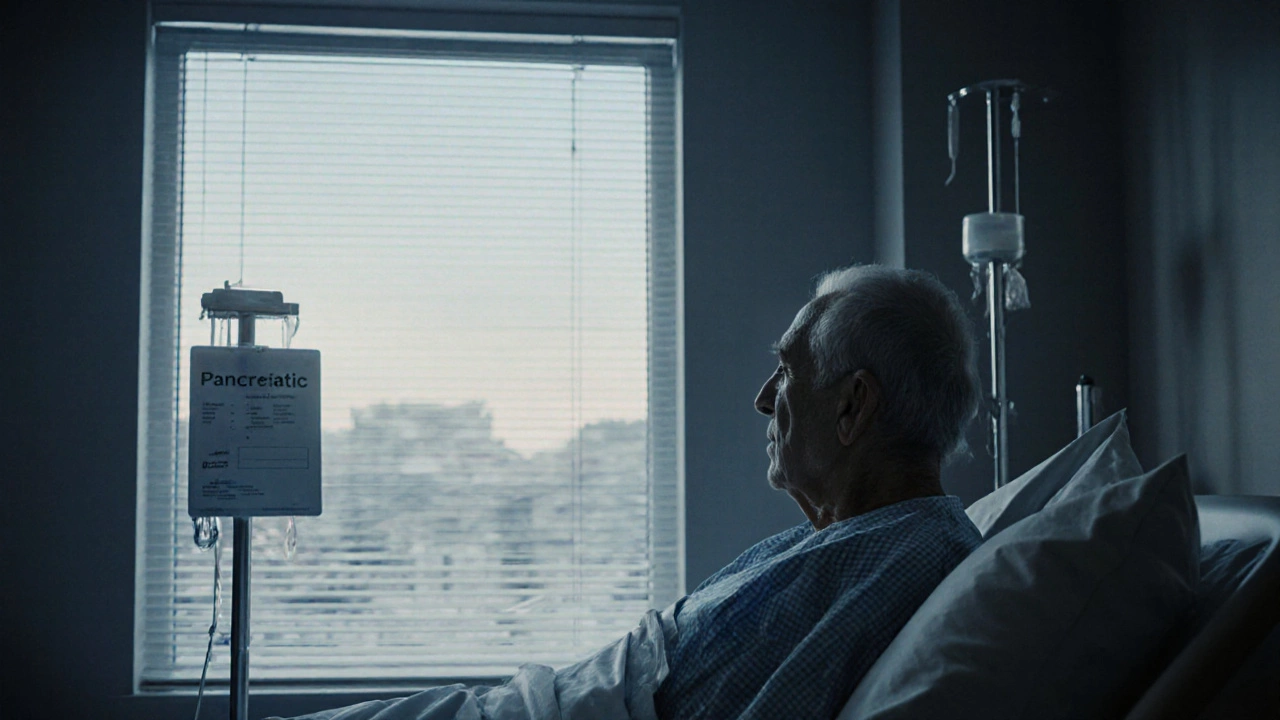
What Cancer Is Hardest to Survive? The Statistics Behind the Deadliest Types
Pancreatic, glioblastoma, and lung cancers have the lowest survival rates due to late detection and aggressive biology. Learn why these cancers are so deadly and what’s being done to change the odds.
View MoreLatest Posts