Diabetes Pills: What Works, What Doesn’t, and What You Need to Know
When you hear diabetes pills, oral medications used to manage type 2 diabetes by lowering blood sugar levels, you might think they’re all the same. But they’re not. Some make you hungrier. Others help you lose weight. A few even protect your heart. The right one for you depends on your body, your lifestyle, and what else you’re dealing with—like high blood pressure, kidney issues, or extra pounds.
Take GLP-1 agonists, a class of diabetes drugs that slow digestion and reduce appetite. These include semaglutide and liraglutide. They don’t just control blood sugar—they help people lose 6 to 15% of their body weight. That’s not magic. It’s science. And it’s why doctors are prescribing them more often, even for people who aren’t severely overweight. Then there’s SGLT2 inhibitors, medications that make your kidneys flush out extra sugar through urine. These lower blood sugar, reduce heart failure risk, and can also lead to modest weight loss. Both types are now front-line choices—not because they’re new, but because they do more than just lower numbers on a glucometer.
But not all diabetes pills are created equal. Metformin is still the most common first step—it’s cheap, safe, and helps with insulin sensitivity. But it doesn’t help you lose weight. Sulfonylureas push your pancreas to make more insulin, which can cause low blood sugar and weight gain. Pioglitazone? It might help with insulin resistance, but it can cause fluid retention and bone fractures. The point isn’t to avoid these entirely—it’s to know what you’re getting into. Your doctor should be talking about more than just A1C. They should ask: Are you trying to lose weight? Do you have heart disease? Are you worried about low blood sugar at night?
And here’s something most people don’t realize: some diabetes pills can actually interact with herbs, supplements, or even common painkillers. If you’re taking tulsi or ashwagandha daily, or if you’ve started an Ayurvedic cleanse, those can change how your meds work. That’s why knowing what’s in your medicine cabinet matters as much as knowing your blood sugar numbers.
What you’ll find below isn’t a list of every pill on the market. It’s a collection of real, practical insights from people who’ve been there—what worked, what didn’t, and what surprised them. From how Ozempic changed someone’s life to why a simple switch from one pill to another cut their hospital visits in half. You’ll see how weight loss and blood sugar control are linked, why some people feel better on certain meds even if their A1C didn’t budge, and what to watch out for when buying medicine online. No fluff. No hype. Just what you need to ask your doctor, understand your options, and take control without feeling overwhelmed.
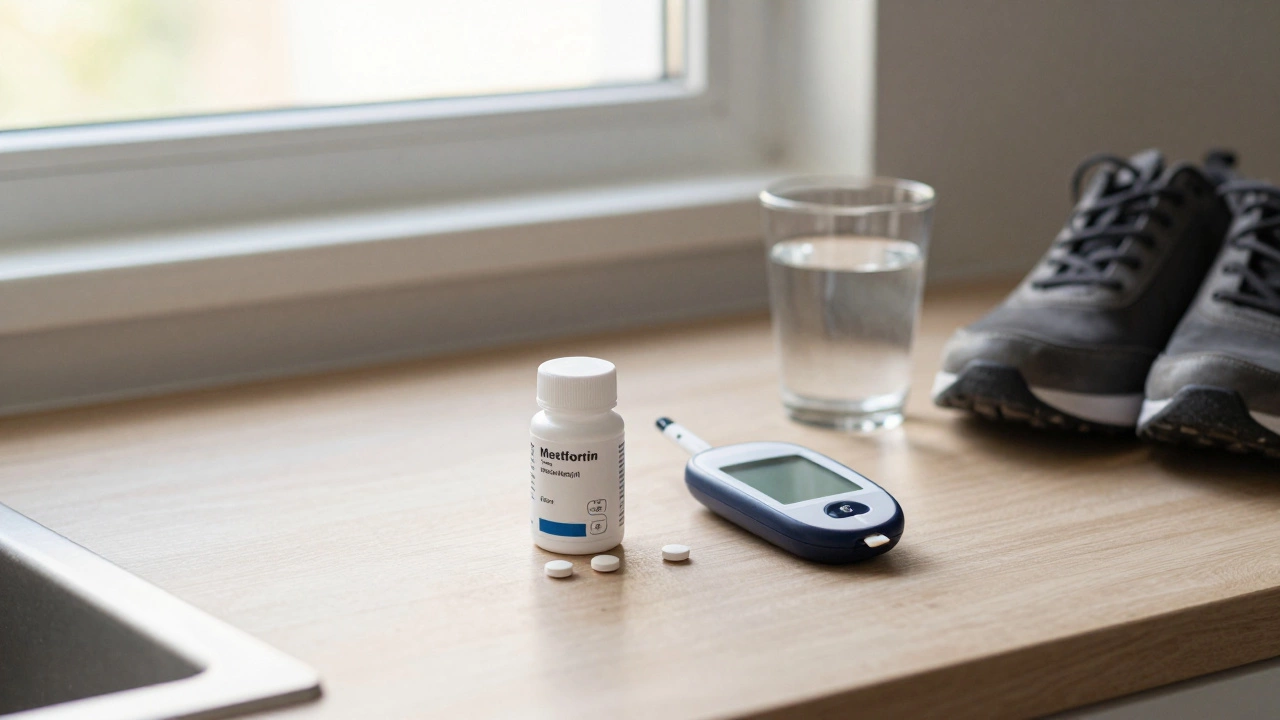
What Is the Most Popular Diabetic Pill? Top Choices and What Works Best
Metformin is the most popular diabetic pill worldwide, used by over 120 million people. It's safe, affordable, and reduces long-term complications. Learn why doctors start with it and when other options are added.
View MoreLatest Posts