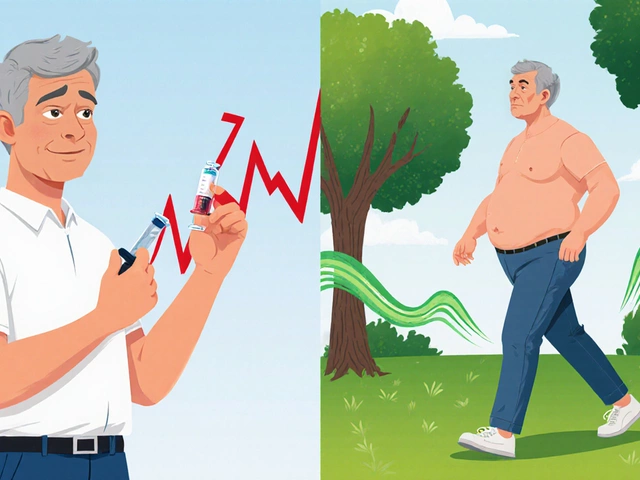
Dental Recovery: What to Expect After Surgery and How to Heal Faster
When you go through dental recovery, the process of healing after oral surgery like tooth extraction or implant placement. Also known as post-dental surgery healing, it's not just about waiting for the pain to fade—it's about guiding your body to rebuild bone, reduce inflammation, and prevent complications like peri-implantitis, a serious gum infection around dental implants that can lead to implant failure. Many people think dental recovery is over once the bleeding stops, but the real work happens in the days and weeks after.
Dental recovery isn’t one-size-fits-all. If you had a simple tooth pulled, you might feel back to normal in a few days. But if you got a dental implant, your body needs months to fuse the titanium post with your jawbone—a process called osseointegration. During that time, you need to avoid chewing hard foods, quit smoking, and keep your mouth clean without scrubbing the area. Skipping these steps increases your risk of dental implant recovery, the full healing timeline after implant placement, which includes soft tissue repair and bone integration going sideways. Studies show that poor oral hygiene after implant surgery is the top reason implants fail within five years.
What you eat matters just as much as what you don’t do. Soft foods like mashed potatoes, yogurt, and scrambled eggs help. Hot soup? Wait a few days—it can loosen the blood clot. Alcohol and straws? Avoid them completely. They create suction that can dislodge healing tissue. And don’t ignore the swelling. Ice packs in the first 24 hours, then warm compresses after that, help reduce discomfort faster than painkillers alone. If you’re still in pain after a week, or notice pus, a bad taste, or numbness that won’t go away, call your dentist. Those aren’t normal.
Some people worry about how long they’ll be out of work or unable to smile. The truth? Most people return to desk jobs in two to three days. If your job involves heavy lifting or physical labor, plan for a full week. Recovery time also depends on your age, whether you have diabetes, and how well you follow aftercare instructions. There’s no magic formula, but there are clear patterns: people who stick to the plan heal faster, with fewer complications.
Below, you’ll find real stories and facts from people who’ve been through dental recovery—what surprised them, what they wish they’d known, and the small habits that made all the difference. Whether you’re getting an implant, a extraction, or just trying to understand why your mouth still feels weird after a week, these posts give you the unfiltered truth—not marketing fluff.
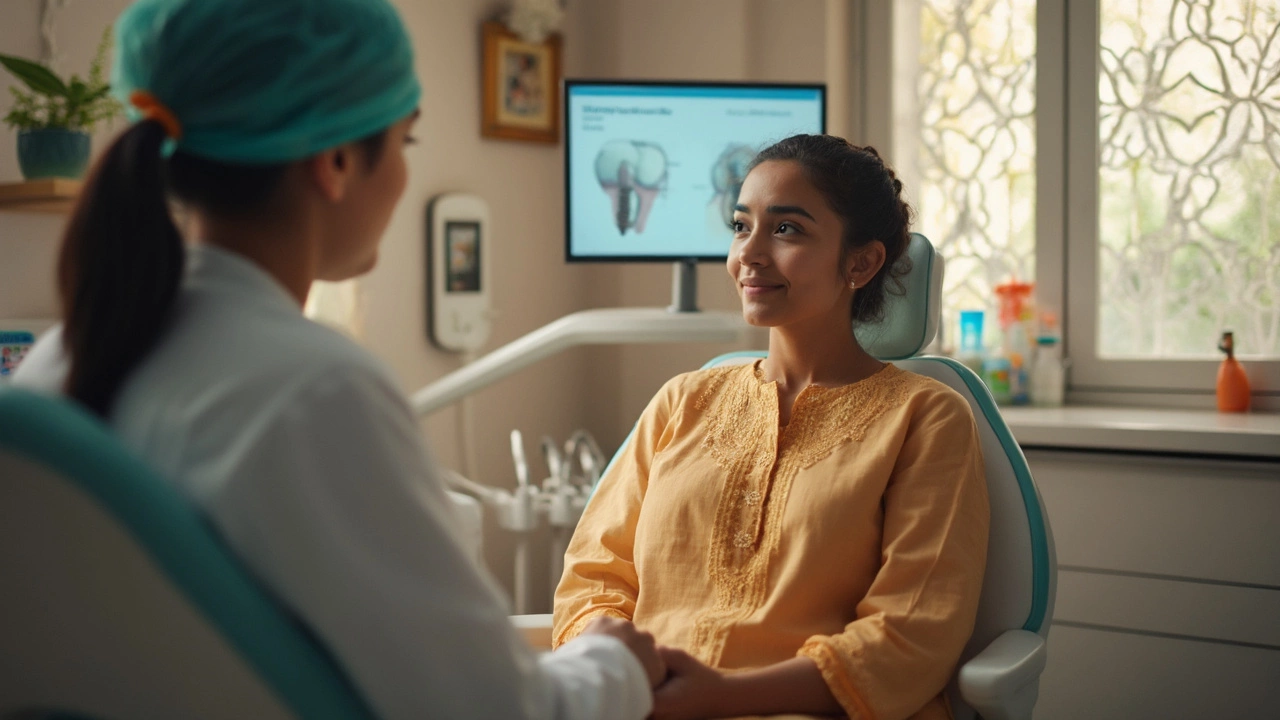
How Long Does It Take for Your Body to Accept a Dental Implant?
Getting a dental implant is a journey of patience and healing. The timeframe for your body to accept an implant varies from person to person. Factors like bone health, implant placement, and individual healing responses play significant roles. Understanding these aspects ensures a smoother journey to regaining a confident smile. Here's what you need to know about how your body adapts to a new dental implant.
View MoreLatest Posts