Deadliest Cancers: What You Need to Know About the Most Lethal Types
When we talk about deadliest cancers, cancers with the lowest survival rates due to late detection, aggressive growth, or limited treatment options. Also known as high-mortality cancers, these are the ones doctors fear most—not because they’re common, but because they strike fast and quietly. Among them, pancreatic cancer, a tumor hidden deep in the abdomen that rarely shows symptoms until it’s advanced leads the list. It’s not the most diagnosed, but it’s the most fatal. Fewer than 12% of patients survive five years after diagnosis. Why? Because there’s no reliable screening test, and by the time pain or jaundice appears, the cancer has often spread.
Lung cancer, the top cause of cancer death worldwide, even above colorectal or breast cancer is another major killer. Smoking is still the biggest risk, but non-smokers get it too—especially in places with heavy air pollution or radon exposure. Unlike some cancers, lung cancer doesn’t wait for you to notice symptoms. By the time you cough more than usual or feel winded, it’s often too late for surgery. Then there’s liver cancer, often linked to chronic hepatitis B or C, alcohol abuse, or fatty liver disease. It grows silently inside a vital organ that can keep working even while it’s being destroyed. Many people don’t know they have cirrhosis until it turns into cancer.
What ties these together? Late detection. No one feels sick in the early stages. No routine blood test picks them up. And even when they’re found, treatments often fail because these cancers spread before anyone realizes they’re there. That’s why survival rates stay low—even with modern drugs and radiation. The good news? Research is shifting. New blood tests for early pancreatic cancer are in trials. Low-dose CT scans are now recommended for high-risk smokers. And targeted therapies are giving some liver cancer patients extra years.
You won’t find magic cures here. But you will find real stories, real data, and real advice from people who’ve walked this path. The posts below cover what doctors don’t always say: why pancreatic cancer is so feared, how lung cancer risks vary across India’s cities, what actually happens when liver cancer is caught too late, and how survival rates are changing for those who push for early screening. This isn’t about fear. It’s about knowing what to watch for—and when to act.
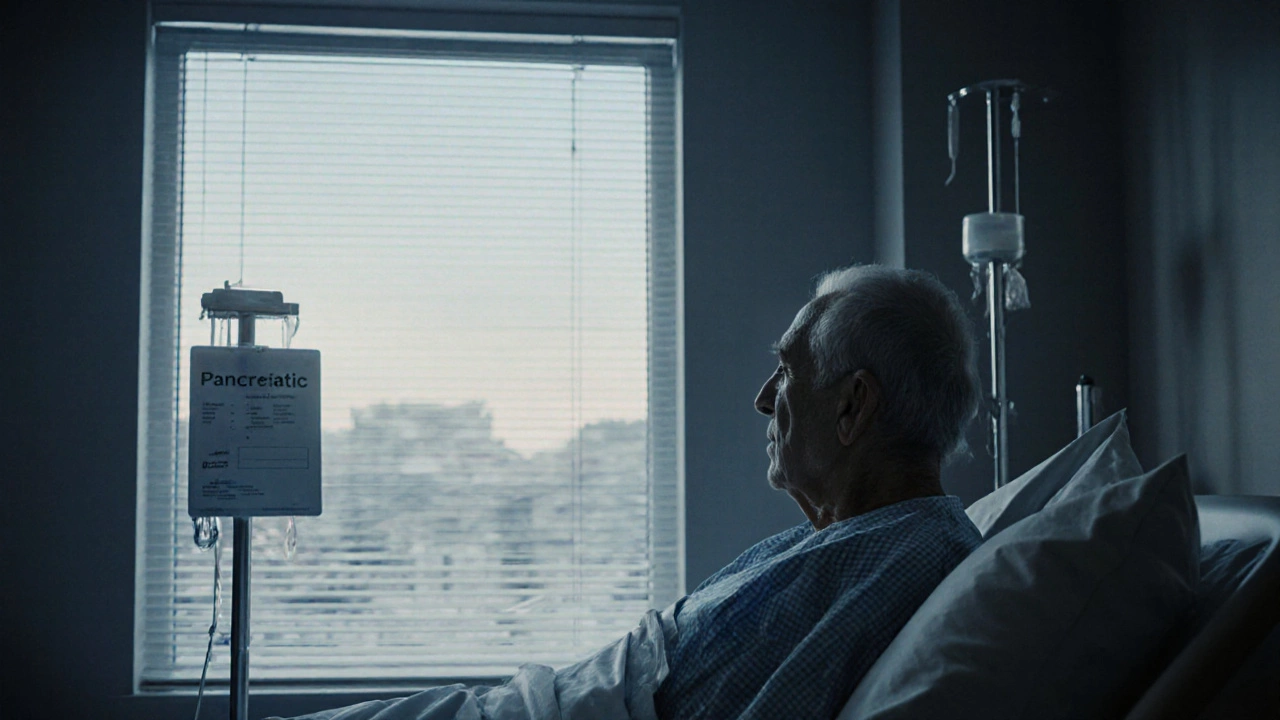
What Cancer Is Hardest to Survive? The Statistics Behind the Deadliest Types
Pancreatic, glioblastoma, and lung cancers have the lowest survival rates due to late detection and aggressive biology. Learn why these cancers are so deadly and what’s being done to change the odds.
View More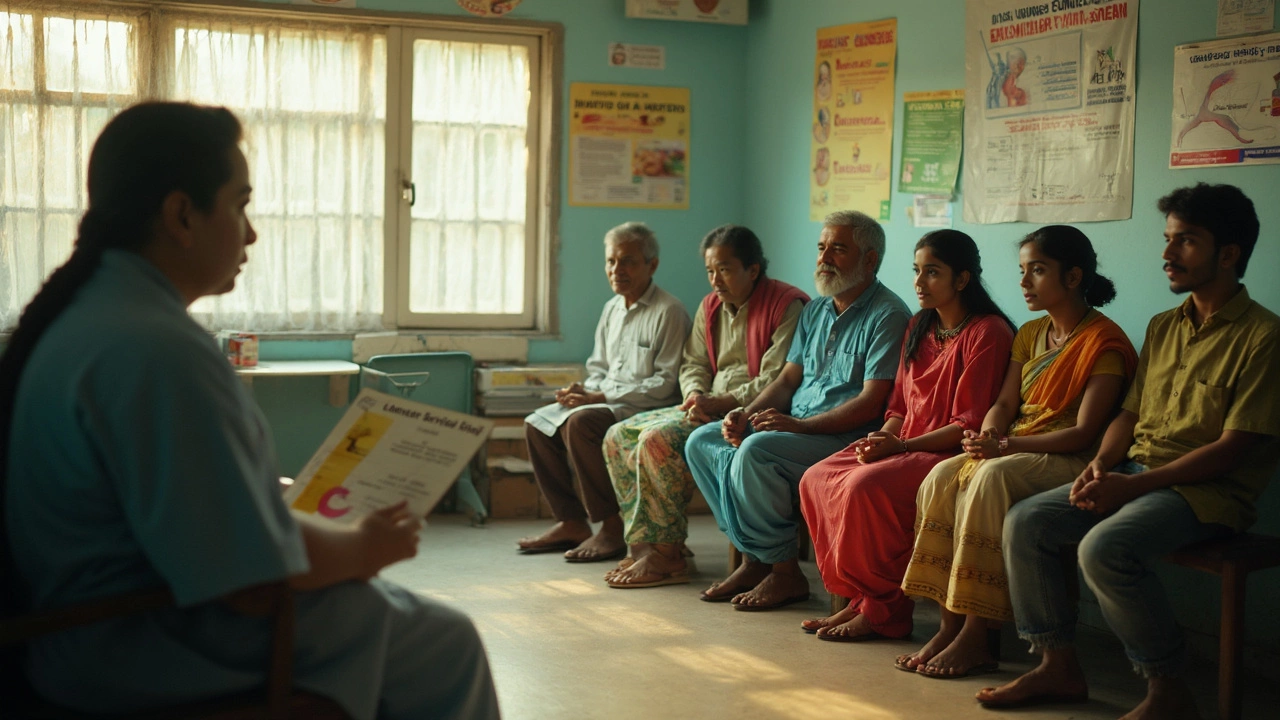
Top 3 Deadliest Cancers: What You Need to Know About Risk and Treatment
Wondering which cancers are the most deadly? This deep dive breaks down the top three deadliest cancers, sharing shocking survival stats, warning signs to watch for, and tips to lower your risk. Learn how early detection can make all the difference and get the latest updates on new treatments. Whether you’re worried about yourself or someone you love, this article will arm you with the knowledge to act fast and stay prepared.
View MoreLatest Posts