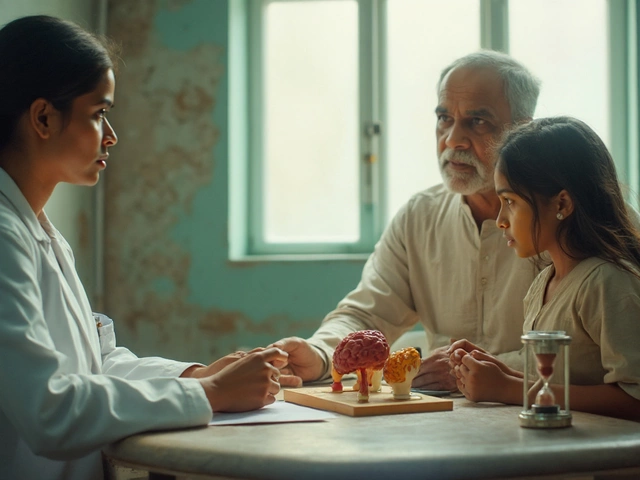
Chemotherapy: What It Is, How It Works, and What to Expect
When you hear the word chemotherapy, a medical treatment that uses powerful drugs to destroy cancer cells. Also known as chemo, it's one of the most common ways doctors fight cancer today. It doesn’t cure every cancer, but it shrinks tumors, slows growth, and sometimes clears the disease entirely. For many people in India, chemotherapy is a turning point—whether they’re starting treatment, supporting a loved one, or trying to understand what comes next.
Chemotherapy isn’t one thing. It’s a group of chemotherapy drugs, different medications designed to target cancer in specific ways, like alkylating agents, antimetabolites, and plant alkaloids. Each has its own rules: some work best for breast cancer, others for lung or blood cancers. Doctors pick combinations based on the type, stage, and even the patient’s overall health. It’s not just about killing cells—it’s about balancing damage to healthy tissue. That’s why side effects like nausea, hair loss, and fatigue are so common. Your body’s fast-growing cells—like those in your hair, gut, and bone marrow—can’t tell the difference between cancer and normal cells, so they get caught in the crossfire.
People often think chemotherapy is the only option, but it’s usually part of a bigger plan. It might come before surgery to shrink a tumor, after surgery to kill leftover cells, or alongside radiation to boost its effect. In advanced cases, it’s used to keep cancer under control for as long as possible. And while it’s tough, new approaches are making it easier. Targeted therapies and immunotherapies are now often layered in with chemo, helping it work better with fewer side effects. In India, access to these newer drugs is growing, though cost and availability still shape what’s possible for many families.
What you won’t always hear is how much recovery matters after chemo. Fatigue doesn’t vanish when treatment ends. Some people deal with brain fog for months. Others face nerve damage or heart risks years later. That’s why tracking symptoms and staying in touch with your care team is just as important as the treatment itself. You’re not just fighting cancer—you’re rebuilding your body, one day at a time.
Below, you’ll find real stories and facts from people who’ve walked this path. From understanding which cancers respond best to chemo, to knowing when to ask for help with side effects, these posts give you the grounded, no-fluff details you need—not just the hype.
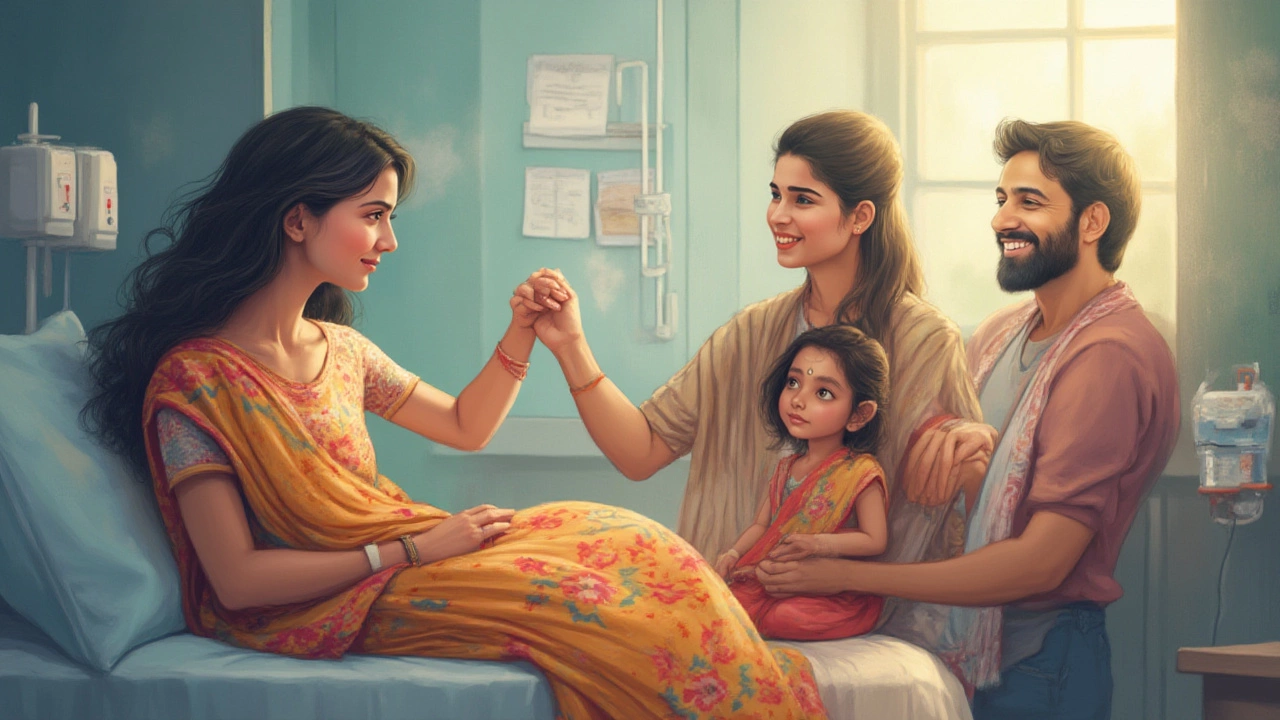
Is 4 Rounds of Chemo a Lot? Understanding Chemotherapy Treatment Cycles
Confused about whether 4 rounds of chemo is a lot? Get clear info on chemo cycles, what to expect, and how to handle it if you or a loved one is facing cancer.
View More
Main Treatments for Cancer: An Insightful Overview
Cancer treatment is constantly evolving with advancements in medical research. This article delves into the primary treatments used today, which include surgery, chemotherapy, radiation therapy, and immunotherapy. Learn about how each method works, their effectiveness, and interesting insights about emerging treatments. With thoughtful exploration, find what questions to ask and considerations to make if faced with a cancer diagnosis.
View MoreLatest Posts