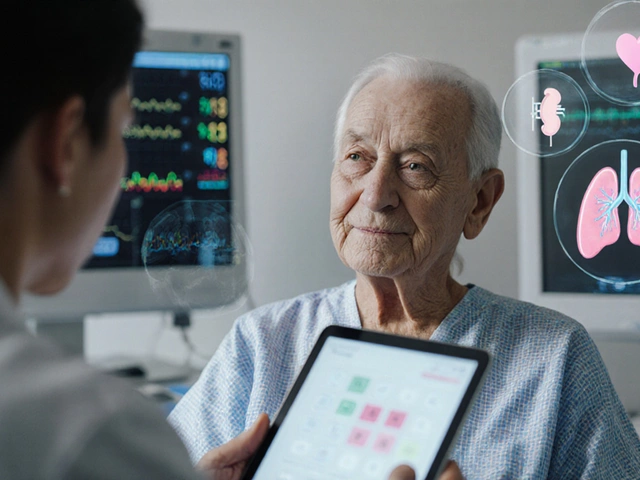
Cancers with Low Cure Rates: Why Some Are Harder to Beat
When we talk about cancers with low cure rates, types of cancer that are difficult to treat and often diagnosed too late to be effectively controlled. These aren't just rare cases—they're the ones doctors worry about most because survival numbers stay stubbornly low, even with modern treatment. It’s not about how aggressive the cancer looks under a microscope. It’s about timing, biology, and how little we can do once it spreads.
Take pancreatic cancer, a fast-moving tumor hidden deep in the abdomen that rarely causes symptoms until it’s advanced. It’s one of the deadliest because there’s no simple screening test like a mammogram or colonoscopy. By the time someone feels pain, it’s often already wrapped around blood vessels or spread to the liver. Then there’s glioblastoma, a brain tumor that grows like weeds in a lawn—spreading threads into healthy tissue, making surgery nearly impossible. Even if you remove most of it, the leftover cells come back stronger. And lung cancer, especially the non-small cell type, often goes unnoticed until it’s stage 3 or 4, because early symptoms feel like a cold or smoking-related cough. These cancers don’t wait for you to get worried. They move fast, and they don’t care if you’re healthy, young, or never smoked.
What ties them together? Late detection. Aggressive growth. And a lack of reliable early treatments. Unlike breast or prostate cancer, where catching it early can mean a 90%+ survival rate, these cancers often drop below 10% after five years. That’s not because doctors aren’t trying. It’s because the biology is stacked against us. New drugs, immunotherapies, and targeted treatments are helping—slowly. But right now, the odds are still brutal.
What you’ll find in the posts below are real stories, hard numbers, and clear explanations about why these cancers remain so tough to beat—and what’s being done to change that. No fluff. Just facts you can use to understand the landscape, whether you’re a patient, a caregiver, or just someone trying to make sense of the headlines.
What Cancer Has No Cure? 2025 Reality, Hard-to-Cure Cancers, and What You Can Do
Is any cancer truly incurable? See which cancers have very low cure rates in 2025, why that is, what 'cure' actually means, and practical steps to improve outcomes.
View MoreLatest Posts