Cancer Mortality: Why Some Cancers Are Deadlier and What You Need to Know
When we talk about cancer mortality, the number of deaths caused by cancer in a given population, often measured per 100,000 people per year. It's not just about how many people get cancer—it's about how many don't survive it. Some cancers are caught early and treated successfully. Others? They move quietly, spread fast, and show up too late. That’s where cancer mortality spikes—and why understanding the difference matters.
Take pancreatic cancer, a highly aggressive cancer that develops in the pancreas and often shows no symptoms until it's advanced. It’s one of the top causes of cancer death because there’s no reliable screening test, and by the time pain or weight loss appears, it’s usually spread. Then there’s lung cancer, the leading cause of cancer deaths worldwide, often linked to smoking but also found in non-smokers due to pollution, genetics, or radon exposure. And glioblastoma, a fast-growing brain tumor with almost no long-term survivors despite surgery, radiation, and chemo. These aren’t just scary names—they’re real reasons why cancer mortality rates vary so wildly.
What makes these cancers so deadly? Late detection. Aggressive biology. Limited treatment options. And in many cases, a lack of public awareness. You won’t find a simple blood test for pancreatic cancer. Lung cancer often doesn’t cause symptoms until it’s stage 3 or 4. Glioblastoma grows right where it’s hardest to remove—inside the brain. That’s why survival rates stay low, even with modern medicine. But it’s not all doom. Research is pushing forward. New immunotherapies, targeted drugs, and earlier detection tools are slowly changing the game. The goal isn’t just to treat cancer—it’s to stop it before it kills.
What you’ll find in the posts below isn’t just statistics. It’s real talk about which cancers are hardest to survive, why they’re so dangerous, and what’s being done to turn the tide. From the biology behind tumor growth to the gaps in India’s cancer care system, these articles cut through the noise. No fluff. No fearmongering. Just facts you can use to understand the landscape—and maybe even spot warning signs earlier.
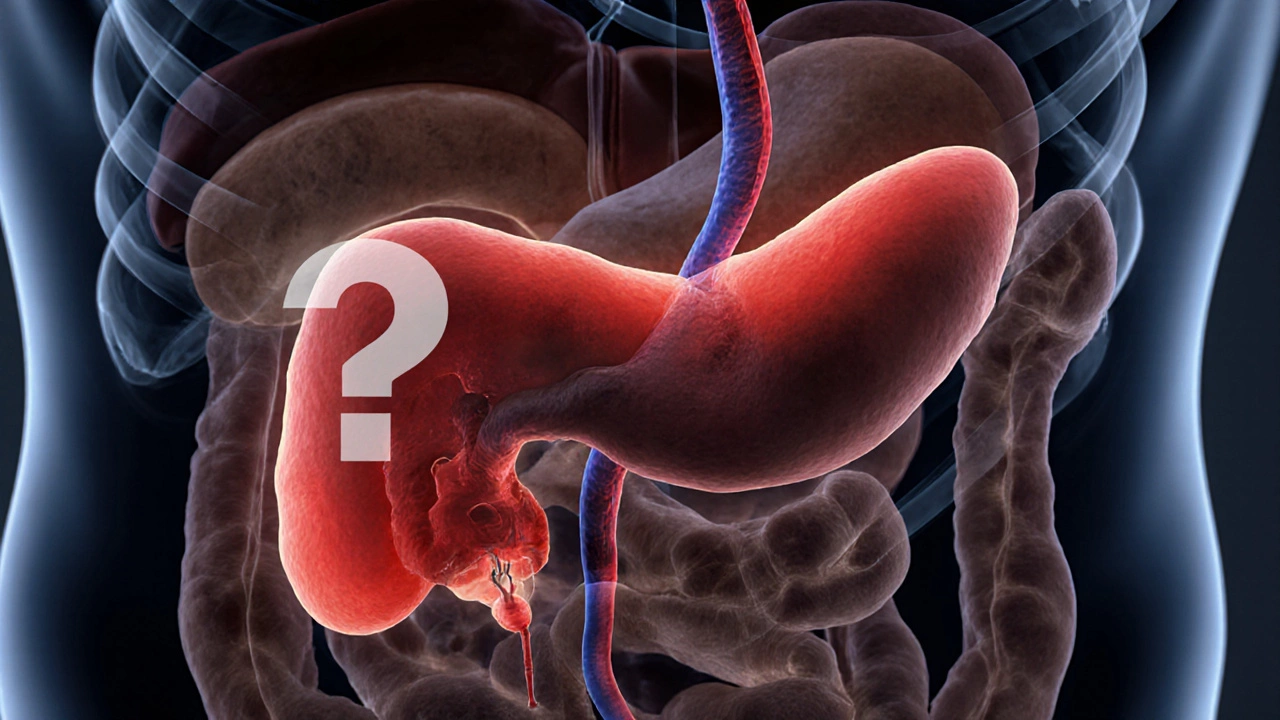
Which Cancer Is Considered the Most Feared?
Pancreatic cancer tops the list of most feared cancers due to low survival and late detection. Learn why, compare top lethal cancers, and discover early‑detection steps and new treatments.
View MoreLatest Posts