Best Dinner Ayurveda: What to Eat for Digestion, Sleep, and Balance
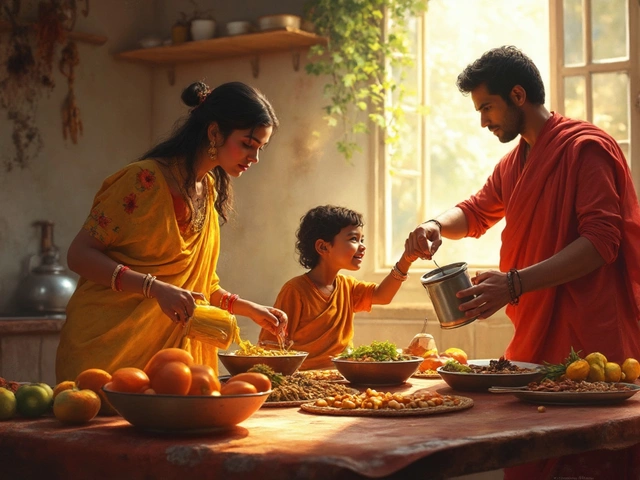
When it comes to Ayurvedic dinner, a meal planned around your body type (dosha) to support digestion, sleep, and daily rhythm. Also known as Ayurvedic evening eating, it’s not about counting calories—it’s about working with your body’s natural cycles. Most people eat dinner like it’s just another meal, but in Ayurveda, your evening plate can either calm your nervous system or keep you tossing and turning all night. The key is timing, temperature, and taste—not just what you eat, but when and how you eat it.
There are three main doshas—Vata, Pitta, and Kapha—and each needs a different kind of dinner. If you’re Vata, you need warm, oily, and grounding foods like lentil stew or sweet potato curry to quiet your mind. Pitta types do best with cooling, mildly spiced meals like cucumber raita and basmati rice to balance internal heat. Kapha folks need lighter, drier options like grilled veggies and mung dal to avoid sluggishness. Skipping dinner isn’t the answer—even if you’re not hungry, a small, warm meal keeps your agni (digestive fire) alive. Eating too late, though, is a mistake. Ayurveda says your digestive strength drops after 7 PM. That’s why a heavy burger at 9 PM feels like a brick in your stomach, while a bowl of kitchari at 6:30 PM leaves you feeling light and clear.
It’s not just about food either. Ayurvedic digestion, the body’s ability to break down food and absorb nutrients according to doshic balance depends on how you eat. Sitting down, chewing slowly, and turning off screens turns dinner into a ritual, not a distraction. Even the spices matter—cumin, coriander, and fennel aren’t just flavor; they’re digestive aids. And don’t forget hydration. Sipping warm water or ginger tea after dinner helps flush out toxins without dousing your digestive fire.
You’ll find plenty of people online pushing detox teas or overnight fasts as the "best" Ayurvedic dinner. But real Ayurveda doesn’t punish the body—it supports it. That’s why the posts below don’t just list recipes. They show you how to match your meal to your body, avoid common mistakes like cold salads at night, and understand why your cousin who eats kale smoothies for dinner can’t sleep, while you feel fine with dal and rice. Whether you’re new to Ayurveda or just tired of feeling bloated after dinner, what follows is a practical guide built from real experiences—not theory.
Best Ayurvedic Dinner: Foods that Balance Your Doshas
Discover the ideal Ayurvedic dinner for each dosha, with foods, spices, timing tips, sample menus and FAQs to balance Vata, Pitta and Kapha.
View MoreLatest Posts