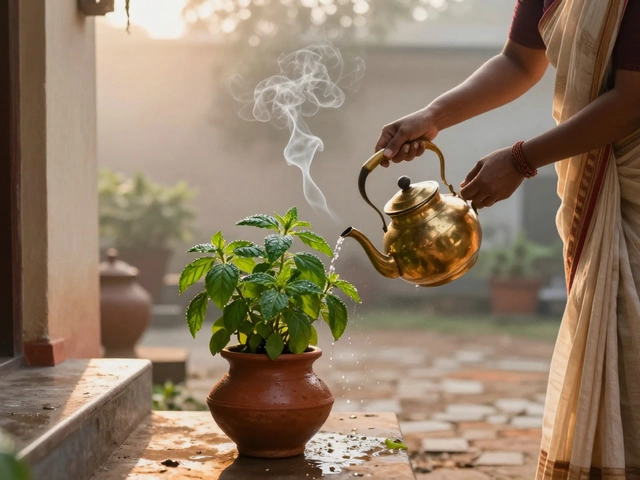
Adaptogens: Natural Helpers for Stress, Energy, and Balance
When your body is under pressure—whether from work, sleepless nights, or chronic stress—it doesn’t just need caffeine or sugar. It needs adaptogens, natural substances, often herbs or roots, that help your body adapt to stress and maintain balance. Also known as stress-modulating herbs, they don’t force your system into overdrive or shut it down. Instead, they gently guide it back to equilibrium. Think of them like a thermostat for your body: when you’re burned out, they lift you up; when you’re wired, they calm you down.
These aren’t new-age fads. Ashwagandha, a root used in Ayurveda for over 3,000 years to reduce anxiety and boost stamina, is one of the most studied adaptogens today. Rhodiola, a plant from cold mountain regions, helps fight mental fatigue and improve focus, while Holy Basil, also called Tulsi, supports immune function and lowers cortisol levels. You’ll find these same herbs in many Ayurvedic diets and cleanse routines—like the ones discussed in our posts on Ayurvedic breakfasts and dinners—because they’re not just trendy supplements. They’re tools for daily resilience.
What makes adaptogens different from stimulants like coffee or prescription meds? They don’t spike your energy then crash you. They don’t mask symptoms. They work with your body’s own systems to improve how you respond to stress over time. That’s why people who use them consistently report better sleep, steadier moods, and less burnout—even when life stays chaotic. But they’re not magic. They work best when paired with real habits: enough rest, good food, and movement. That’s why our posts cover everything from Ayurvedic meal plans to mental healing beyond therapy. Adaptogens aren’t a fix—they’re part of a smarter approach to staying well.
And yes, they’re not for everyone. If you’re on thyroid meds, have autoimmune conditions, or are pregnant, some adaptogens can interfere. That’s why we also warn about the side effects of Ayurvedic cleanses and stress the importance of knowing what you’re taking. This collection brings together real experiences and science-backed info—not hype. You’ll find posts on how herbal remedies interact with medications, why some people feel worse before they feel better, and which adaptogens actually show results in clinical studies. Whether you’re curious about trying them, already using them, or just tired of feeling drained, this is the clear, no-fluff guide you need.

Best Natural Herb to Take: What Really Works?
Choosing the best natural herb can feel overwhelming with so many options out there. This article cuts through the clutter to highlight the top herb backed by research and real-world results. It breaks down what makes certain herbs stand out, practical tips on using them, and why they fit into modern life. Plus, it touches on safety, what to avoid, and how to spot quality products. Perfect for anyone curious about going the natural route for better health.
View MoreLatest Posts