5-Year Survival Rate: What It Means and How It Affects Cancer Patients
When you hear 5-year survival rate, a statistical measure used to estimate how many people with a specific cancer are alive five years after diagnosis. It's not a guarantee, and it doesn't mean you only have five years to live—it's just a way doctors and researchers compare how well treatments work across large groups of people. Many people panic when they see a low number, but that number doesn’t tell your whole story. It’s based on past data, often from patients treated years ago. Today’s drugs, early screenings, and personalized care are changing those odds faster than the numbers can keep up.
Cancer survival rates, the broader category that includes 5-year survival as a key metric vary wildly depending on the type of cancer. For example, pancreatic cancer has one of the lowest 5-year survival rates—around 12%—because it’s often found too late and spreads fast. Meanwhile, thyroid and prostate cancers often have survival rates above 90% because they grow slowly and respond well to early treatment. These numbers aren’t just stats—they shape how doctors talk to patients, how insurance covers care, and even how new drugs get approved. Cancer prognosis, the likely outcome or course of a disease based on survival data and individual factors isn’t fixed. Someone with stage 3 lung cancer today has better odds than someone five years ago, thanks to immunotherapy and targeted drugs that didn’t exist back then.
What’s missing from most survival rate charts? Age, overall health, access to care, and how well someone sticks to treatment. A 70-year-old with diabetes and heart disease will have a different path than a 45-year-old who exercises, eats well, and attends every appointment. Cancer treatment outcomes, the real-world results of therapies, including survival, side effects, and quality of life aren’t just about living longer—they’re about living better. That’s why some patients choose less aggressive treatments, even if the survival rate drops slightly. Quality matters as much as quantity.
And here’s the thing: survival rates don’t capture everything. They don’t show how many people are in remission, how many return to work, or how many find joy again after treatment. That’s why you’ll see posts here about people who beat the odds, what helps recovery after surgery, how mental health affects survival, and why some cancers are harder to treat than others. You’ll find real stories behind the numbers—like how brain fog after heart surgery can mimic cancer-related fatigue, or how diabetes meds like Ozempic are now being studied for their role in slowing tumor growth. This isn’t just about statistics. It’s about what happens after the diagnosis, during treatment, and long after the numbers are printed.
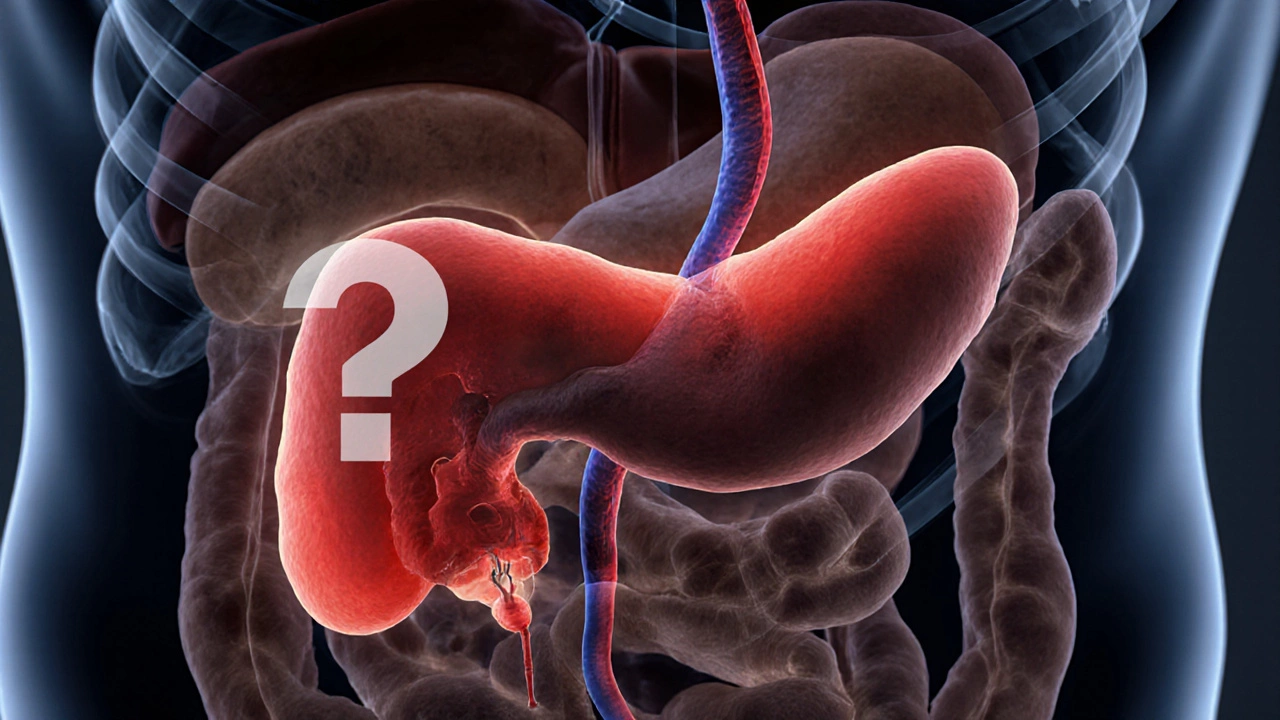
Which Cancer Is Considered the Most Feared?
Pancreatic cancer tops the list of most feared cancers due to low survival and late detection. Learn why, compare top lethal cancers, and discover early‑detection steps and new treatments.
View MoreLatest Posts