Diabetes Medication Safety Finder
Select your primary health concerns or goals below to see which medication classes might offer the best safety profile for you.
Recommended Considerations
You’ve just been diagnosed with Type 2 diabetes. The doctor hands you a prescription, and suddenly your mind races with questions. Is this pill safe? Will it hurt my kidneys? What if I get low blood sugar? You’re not alone in feeling overwhelmed. With dozens of medications on the market, finding the safest diabetic medicine feels like navigating a maze without a map.
Here’s the truth: there is no single "safest" drug for everyone. Safety depends entirely on your body, your medical history, and how your diabetes behaves. For one person, a drug that protects the heart might be the safest choice. For another, avoiding stomach upset might take priority. Let’s break down the major classes of diabetes medications, look at what recent studies say about their risks, and help you have a smarter conversation with your healthcare provider.
Metformin: The Gold Standard for Most People
If you ask most endocrinologists in Bangalore or anywhere else in India what they prescribe first, the answer is almost always Metformin. It has been used for decades, costs very little, and does not cause weight gain or low blood sugar (hypoglycemia). These two factors make it exceptionally safe for the vast majority of patients.
However, "safe" doesn’t mean "side-effect-free." About 20-30% of people starting Metformin experience gastrointestinal issues-nausea, diarrhea, or bloating. This isn’t dangerous, but it can be unpleasant enough to make you quit. Doctors often recommend starting with a low dose and taking it with food to minimize this. Another concern is Vitamin B12 deficiency, which can occur after years of use. If you’re on Metformin long-term, ask your doctor to check your B12 levels annually.
What about kidney health? Older guidelines said stop Metformin if kidney function dropped below certain thresholds. Newer evidence suggests it’s safe even with mild to moderate chronic kidney disease, provided the dose is adjusted. Always confirm this with your nephrologist or diabetologist before stopping.
SGLT2 Inhibitors: Heart and Kidney Protectors
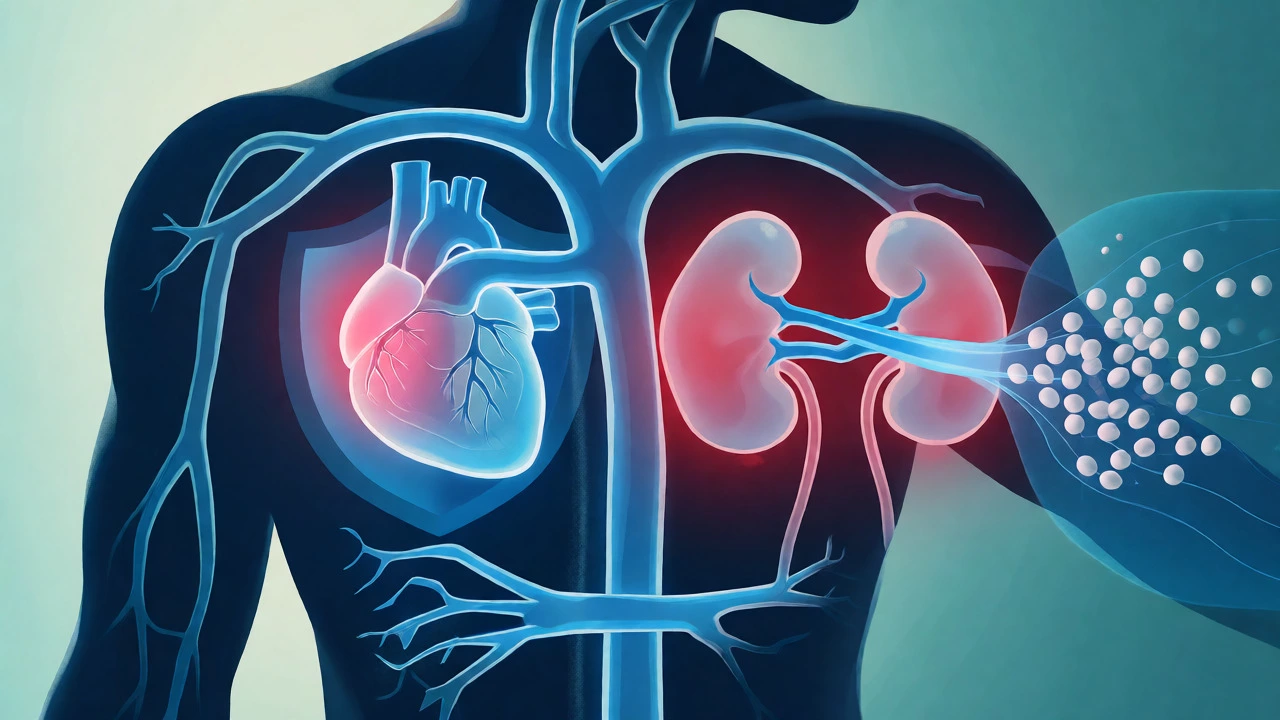
In the last decade, a class of drugs called SGLT2 inhibitors, such as Dapagliflozin and Empagliflozin, has changed the game. Originally designed to lower blood sugar by making you urinate out excess glucose, they turned out to offer massive protection for the heart and kidneys.
Why are they considered safe? Because they actively prevent hospitalizations for heart failure and slow down kidney damage. For someone with existing cardiovascular risk, these drugs aren’t just safe; they’re life-saving. But they come with specific quirks. Since they increase sugar in urine, they can lead to genital yeast infections or urinary tract infections. Staying hydrated and maintaining good hygiene helps mitigate this. Rarely, they can cause a condition called euglycemic diabetic ketoacidosis (DKA), where blood sugar looks normal but acids build up in the blood. This is rare but serious, especially during illness or fasting.
GLP-1 Receptor Agonists: Weight Loss and Blood Sugar Control
Injectables like Semaglutide (Ozempic/Rybelsus) and Liraglutide have exploded in popularity. They mimic a hormone that tells your brain you’re full and prompts insulin release only when you eat. This mechanism means they rarely cause hypoglycemia unless combined with other drugs like sulfonylureas.
The safety profile here is strong regarding cardiovascular events-they reduce stroke and heart attack risks significantly. However, the side effect profile is heavy on the gut. Nausea and vomiting are common, particularly when starting or increasing doses. There was also early concern about thyroid C-cell tumors seen in rodent studies. While human data hasn’t confirmed a significant risk, doctors avoid prescribing them if you have a family history of medullary thyroid carcinoma. For most people, though, the benefits of weight loss and heart protection outweigh these theoretical risks.
Sulfonylureas: Cheap but Risky?
Drugs like Glimepiride and Gliclazide stimulate your pancreas to pump out more insulin, regardless of whether you need it. They are effective and cheap, which makes them popular in resource-limited settings. But they carry two significant safety flags: hypoglycemia and weight gain.
Hypoglycemia-dangerously low blood sugar-is the immediate danger. If you skip a meal or exercise more than usual, a sulfonylurea can drop your sugar too fast, causing shaking, confusion, or even fainting. This is why older adults are often advised to avoid these drugs or use newer, safer variants like Gliclazide, which has a lower risk of hypos compared to older agents like Glibenclamide.
| Medication Class | Main Benefit | Common Side Effects | Hypo Risk | Weight Impact |
|---|---|---|---|---|
| Metformin | Lowers liver glucose production | Nausea, diarrhea, B12 depletion | Very Low | Neutral/Loss |
| SGLT2 Inhibitors | Heart/Kidney protection | Yeast infections, UTIs | Low | Mild Loss |
| GLP-1 Agonists | Appetite suppression, CV benefit | Nausea, vomiting, constipation | Low | Significant Loss |
| Sulfonylureas | Stimulates insulin release | Hypoglycemia, weight gain | High | Gain |
| DPP-4 Inhibitors | Gentle glucose control | Nasal congestion, headache | Very Low | Neutral |
DPP-4 Inhibitors: The Gentle Option
Also known as gliptins (e.g., Sitagliptin, Vildagliptin), these pills work by preventing the breakdown of natural incretin hormones. They are remarkably well-tolerated. Most people don’t notice any side effects at all. They don’t cause weight gain, and they rarely cause hypoglycemia when used alone.
So why aren’t they the #1 choice? They are less potent than Metformin or GLP-1s. They won’t protect your heart or kidneys as aggressively as SGLT2s. Think of them as a "safety net" add-on. If you can’t tolerate Metformin due to stomach issues, or if you need a small boost without the risk of lows, DPP-4s are an excellent, safe compromise. They are often preferred for elderly patients who need simplicity and stability over aggressive glucose lowering.
Insulin: When Pills Aren’t Enough
Many people fear insulin, thinking it signifies "failure." That’s wrong. Insulin is a natural hormone. Modern basal insulins (like Glargine or Degludec) are much safer than older versions because they provide steady coverage without sharp peaks. The main safety issue remains hypoglycemia, but modern analogs have reduced this risk significantly.
Weight gain is another factor. Insulin helps cells absorb sugar, and excess sugar gets stored as fat. However, uncontrolled high blood sugar is far more damaging to your nerves, eyes, and kidneys than a few extra kilos. If your HbA1c is above 9% despite oral meds, delaying insulin might actually be less safe than starting it.
How to Choose Your Safest Path
Deciding on the safest medicine isn’t about picking the newest drug. It’s about matching the drug to your specific vulnerabilities. Here is a quick heuristic:
- If you have heart failure or kidney disease: An SGLT2 inhibitor is likely the safest long-term investment for your organs.
- If you are overweight and worried about heart attacks: A GLP-1 agonist offers dual benefits of weight loss and cardiac protection.
- If you are elderly or prone to falls: Avoid Sulfonylureas. Stick to Metformin, DPP-4s, or carefully titrated basal insulin to prevent dizziness from low blood sugar.
- If cost is a major barrier: Metformin remains the undisputed king of safety-to-cost ratio. Generic Gliclazide is a reasonable second line if Metformin isn’t enough.
Remember, "safety" also includes adherence. The safest medicine is the one you actually take every day. If a drug causes terrible nausea so you skip doses, its theoretical safety benefits vanish. Talk to your doctor about adjusting timing, dosage, or switching classes if side effects impact your quality of life.
Is Metformin hard on the kidneys?
No, Metformin does not damage the kidneys. It is cleared by the kidneys, so if kidney function declines significantly, the drug builds up in the body, potentially causing lactic acidosis. Doctors adjust the dose based on eGFR levels rather than stopping it immediately unless function is severely impaired.
Which diabetes drug causes the least weight gain?
Metformin, SGLT2 inhibitors, and GLP-1 receptor agonists are associated with weight loss or neutrality. Sulfonylureas and Insulin are the primary culprits for weight gain. DPP-4 inhibitors are generally weight-neutral.
Are herbal supplements safer than prescribed medicines?
Not necessarily. Herbal supplements like Fenugreek or Karela juice lack rigorous large-scale clinical trials proving long-term safety and efficacy. They can interact with prescribed drugs or contain inconsistent active ingredients. Always inform your doctor if you use supplements alongside standard medication.
Can I switch from Sulfonylureas to newer drugs?
Yes, many patients successfully switch to SGLT2 inhibitors or GLP-1s to reduce hypo risk and gain organ protection. However, this transition should be supervised by a doctor to monitor blood sugar levels closely during the changeover period.
What is the biggest safety risk of untreated diabetes?
Chronic high blood sugar damages blood vessels, leading to blindness, kidney failure, nerve damage, amputations, and heart disease. The risk of these complications far outweighs the manageable side effects of most modern diabetes medications.