
Metformin Weight Loss Journey Roadmap
Click on the timeline phases to see what is happening inside your body and what to expect on the scale.
Metabolic Adjustment Phase
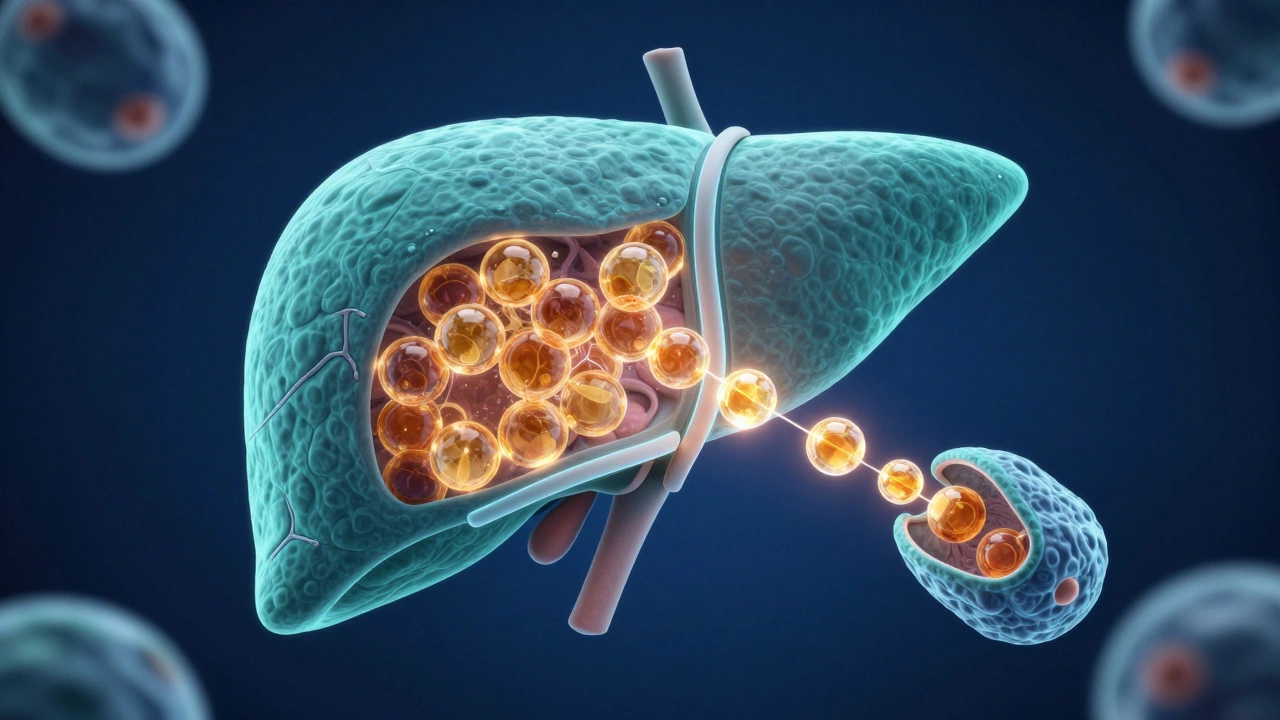
What's happening: Your body is recalibrating glucose production. Metformin is starting to target the liver to reduce glucose output.
Tip: Consider the "start low, go slow" approach or ER versions to manage GI distress.
To understand why the scale doesn't move instantly, you have to look at what's happening inside your cells. Metformin doesn't suppress your appetite like some newer GLP-1 agonists do. Instead, it focuses on making your body more efficient. It primarily targets the liver to stop it from pumping out too much glucose and makes your muscles more sensitive to insulin. When your insulin levels stabilize, your body stops storing as much fat and starts accessing stored energy more easily. This is why the first few weeks are often about metabolic adjustment rather than visible weight loss.
Key Takeaways for Your Weight Loss Journey
- Weight loss is typically modest, often ranging from 2 to 5 kilograms over a year for those with type 2 diabetes.
- Results vary wildly depending on your starting insulin resistance and lifestyle changes.
- The drug helps by lowering insulin levels, which makes it easier for your body to burn fat.
- Side effects, especially digestive issues, are common in the first few weeks.
- It is not a "weight loss drug" in the traditional sense, but a glucose regulator.
The Timeline: When Will You See Changes?
You won't wake up tomorrow and find you've lost five pounds. In the first 2 to 4 weeks, most people actually notice changes in their digestion rather than their waistline. You might experience some bloating or nausea as your gut microbiome adjusts to the medication. During this phase, your body is essentially recalibrating its glucose production.
Real weight loss usually kicks in around the 3-month mark. This happens because insulin resistance is a stubborn condition. It takes time for the cells to regain their sensitivity to insulin. Once that happens, the "hunger spikes" caused by blood sugar crashes start to disappear. You'll find that you aren't craving sweets as intensely, which naturally leads to a calorie deficit.
By the six-month to one-year mark, clinical data shows a trend of gradual weight reduction. For example, a meta-analysis of various trials indicates that patients often lose a modest but sustainable amount of weight compared to those on other diabetes medications like sulfonylureas, which can actually cause weight gain. The key is that this loss is usually lean-fat loss rather than just water weight.
How Metformin Actually Affects Your Weight
To get the full picture, we need to talk about biguanides, the class of drugs metformin belongs to. Unlike some medications that force insulin into your system, metformin reduces the amount of sugar your liver produces. When your liver stops overproducing glucose, your pancreas doesn't have to pump out as much insulin.
High insulin levels are essentially a signal to your body to "store fat and stop burning it." By lowering the baseline of insulin in your blood, metformin unlocks your fat stores. It also increases the secretion of GLP-1 (glucagon-like peptide-1) in the gut, which can slightly reduce appetite and slow down gastric emptying. This means you feel full for a little longer after a meal.
Another factor is the effect on the AMPK enzyme. Metformin activates AMPK, often called the "metabolic master switch." This enzyme tells your cells to stop making new fats and start burning existing ones for energy. It's less like a diet pill and more like a cellular optimizer.
Comparing Metformin to Other Options
If you're comparing metformin to modern weight loss drugs, the difference is stark. Metformin is a marathon runner; others are sprinters.
| Feature | Metformin | GLP-1 Agonists (e.g., Semaglutide) | Lifestyle Changes |
|---|---|---|---|
| Primary Goal | Glycemic Control | Weight Loss / Glucose Control | General Health |
| Speed of Loss | Slow/Gradual | Rapid | Variable |
| Mechanism | Liver glucose reduction | Brain appetite suppression | Caloric deficit |
| Common Side Effect | GI Distress (Nausea) | Nausea/Vomiting | Hunger/Fatigue |
| Weight Impact | Modest (2-5kg/year) | Significant (10-15% total) | High (if sustained) |
The Role of Diet and Exercise
Using metformin without changing your diet is like trying to swim upstream with one arm tied behind your back. It helps, but it's not efficient. Because metformin improves your insulin sensitivity, the exercise you do actually becomes more effective. When you walk or lift weights while on this medication, your muscles are better able to soak up glucose from your blood.
A low-carbohydrate or Mediterranean-style diet works synergistically with the drug. If you keep eating high-sugar foods, you're fighting the medication's primary goal of lowering blood glucose. When you combine a caloric deficit with metformin, the weight loss is more pronounced because the drug handles the hormonal side of the equation (insulin), while you handle the energy side (calories).
A common mistake is assuming that since the drug helps with blood sugar, you can ignore your carb intake. In reality, the fewer spikes you have in your blood sugar, the less insulin your body produces, and the faster the scale moves. Focus on high-fiber vegetables and lean proteins to maximize the effects of the metabolic pathways the drug activates.
Dealing with the "Metformin Belly"
You can't talk about metformin weight loss without talking about the gastrointestinal side effects. Many people quit the drug in the first two weeks because of diarrhea or cramping. This can actually mask weight loss on the scale because of inflammation or digestive upset.
To avoid this, most doctors recommend a "start low, go slow" approach. Starting with a small dose and gradually increasing it over several weeks allows your gut to adapt. Switching to the Extended Release (ER) version of the drug is another pro tip; it releases the medication slowly over 24 hours, which significantly reduces the shock to your digestive system.
If you experience severe stomach issues, don't just stop the medication. Talk to your provider about the timing. Taking it mid-meal or right before bed can often eliminate the nausea that prevents people from sticking with the treatment long enough to see the weight loss benefits.

Who Should Expect the Most Success?
Not everyone reacts to metformin the same way. Those with Polycystic Ovary Syndrome (PCOS) or severe insulin resistance often see more dramatic results. For these individuals, the weight gain is often driven by hormonal imbalances rather than just overeating. When metformin corrects the insulin spike, the "stubborn' weight around the midsection often starts to shift.
Conversely, someone who is already lean but has mild Type 2 Diabetes may see very little change in weight, as their primary issue isn't insulin-driven fat storage. The drug is most effective when there is a clear metabolic dysfunction involving the liver and insulin receptors.
It's also worth noting that some people experience "weight neutrality." This means they stay the same weight but see a change in body composition-less fat and more lean muscle-especially if they are strength training. This is a win, even if the number on the scale doesn't budge.
Frequently Asked Questions
Will I lose weight on metformin if I don't have diabetes?
Yes, it is sometimes prescribed off-label for conditions like PCOS or pre-diabetes to help with weight management by improving insulin sensitivity. However, the weight loss is usually modest and requires a healthy diet to be effective.
How much weight can I realistically expect to lose?
On average, clinical studies show a weight loss of about 2 to 5 kilograms (roughly 4 to 11 pounds) over a year. Some people lose more, but it is generally not a rapid weight-loss drug.
Does metformin cause muscle loss?
Generally, no. Metformin targets fat metabolism and glucose production. However, like any weight loss, if you aren't eating enough protein or exercising, you could lose muscle. Combining the drug with resistance training is the best way to preserve lean mass.
Why do I feel like I'm gaining weight at first?
Some people experience temporary bloating or water retention as their body adjusts to the medication. Additionally, some may overeat due to changes in appetite during the first few weeks. This usually settles as the metabolic effects take hold.
Is the extended-release version better for weight loss?
The Extended Release (ER) version doesn't necessarily cause more weight loss, but it is much easier on the stomach. Because it has fewer side effects, people are more likely to stay consistent with the dose, which leads to better long-term weight results.
Next Steps and Troubleshooting
If you've been on metformin for three months and haven't seen any change in your weight or energy levels, it's time to evaluate your variables. Check your carbohydrate intake-are you still eating refined sugars that trigger insulin spikes? Are you getting at least 150 minutes of moderate activity per week?
For those struggling with the "metformin fog" or extreme fatigue, check your Vitamin B12 levels. Long-term use of metformin can interfere with B12 absorption, which can leave you feeling sluggish and unmotivated to exercise. A simple supplement can often fix this and get your weight loss back on track.
Always keep a log of your fasting blood glucose. If your numbers are dropping but your weight isn't, remember that your internal health is improving. Lowering your A1c is a massive victory for your long-term health, regardless of what the scale says today.