Ozempic Weight Loss Estimator
Your Profile
Projected Outcomes
Note: These estimates are based on average clinical trial data (STEP trials). Individual results vary significantly based on diet, exercise, genetics, and adherence. This tool is for informational purposes only and does not constitute medical advice. Consult a healthcare provider before starting any medication.
Walk into any coffee shop in Bangalore today, and you’ll hear the same conversation. It’s not about cricket scores or startup funding rounds anymore. It’s about Ozempic. People are talking about how they dropped five kilos in a month without changing their diet. Others are complaining about nausea that won’t quit. The buzz is real, but so is the confusion. You want to know if this drug actually works for shedding pounds, or if it’s just another fleeting medical trend.
The short answer is yes. Ozempic is highly effective for weight loss, primarily because it targets the brain's hunger signals rather than just boosting metabolism. But the long answer is complicated. It involves understanding how your body processes food, managing potential side effects, and knowing whether this prescription medication is right for your specific health profile. Let’s cut through the noise and look at the science, the results, and the reality of using semaglutide for weight management in 2026.
How Ozempic Actually Works in Your Body
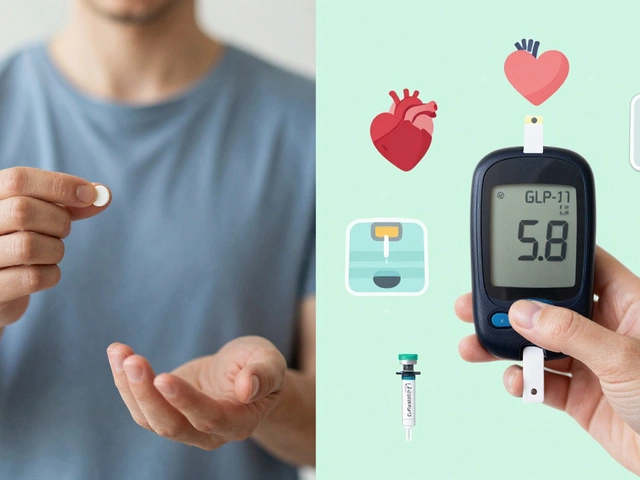
To understand why semaglutide is such a big deal, you need to look at how your gut talks to your brain. Normally, when you eat, your intestines release a hormone called GLP-1 (glucagon-like peptide-1). This hormone tells your pancreas to release insulin and signals your brain that you’re full. In people with type 2 diabetes or obesity, this signal is often weak or ignored. You eat, but your brain doesn’t get the memo that you’ve had enough.
Semaglutide is a synthetic version of the GLP-1 hormone that mimics the natural process but lasts much longer in the body. Instead of breaking down quickly like your natural hormone, semaglutide stays active for about a week. This means you get a steady stream of "I’m full" signals sent to your hypothalamus, the part of your brain that controls appetite. The result? You naturally eat less because you don’t feel hungry. It’s not magic; it’s biology. You aren’t forcing yourself to skip meals; your body simply isn’t demanding them.
This mechanism also slows down gastric emptying. Food sits in your stomach longer, which keeps you feeling physically full for hours after eating. If you’ve ever tried to diet by sheer willpower, you know how exhausting it is to fight constant hunger pangs. Semaglutide removes that battle from the equation entirely.
What the Data Says About Weight Loss Results
You might have heard anecdotes from friends or influencers, but let’s look at the clinical evidence. The landmark STEP trials conducted by Novo Nordisk provide the most reliable data on semaglutide’s effectiveness. In one major study involving adults with obesity or overweight who had no other metabolic conditions, participants taking 2.4 mg of semaglutide weekly lost an average of 15% of their body weight over 68 weeks.
To put that in perspective, if you weigh 100 kg, that’s a loss of 15 kg. Compare that to older medications like liraglutide (Saxenda), which typically resulted in around 8% weight loss, or lifestyle changes alone, which often yield 3-5% loss. Semaglutide is in a different league. However, individual results vary. Some people lose more, some less. Factors like starting weight, adherence to the dosage schedule, and dietary habits still play a role. It’s not a license to eat unlimited pizza; it’s a tool that makes healthy choices easier to stick to.
| Medication | Active Ingredient | Average Weight Loss | Administration |
|---|---|---|---|
| Ozempic/Wegovy | Semaglutide | 15-17% | Weekly Injection |
| Saxenda | Liraglutide | 8-10% | Daily Injection |
| Mounjaro | Tirzepatide | 20-22% | Weekly Injection |
| Orlistat | Orlistat | 3-5% | Daily Pill |
Note that while Ozempic is branded for diabetes, the exact same ingredient at a higher dose is sold under the name Wegovy specifically for weight loss. Many patients use Ozempic off-label for weight management because it is more readily available or covered by insurance policies that recognize its cardiovascular benefits.
Side Effects: What You Need to Expect
No powerful drug comes without a price tag in terms of side effects. For most users, the issues are gastrointestinal. Nausea is the most common complaint, affecting up to 40% of users, especially during the first few weeks as the dose increases. Vomiting, diarrhea, and constipation are also frequent. These symptoms usually subside as your body adjusts to the medication, but for some, they persist.
There are rarer but more serious risks to consider. Pancreatitis, gallbladder problems, and kidney issues have been reported in post-market surveillance. There’s also a warning about thyroid C-cell tumors, seen in rodent studies, though human relevance remains unclear. Pregnant women should avoid semaglutide due to potential fetal harm. If you have a history of medullary thyroid carcinoma or Multiple Endocrine Neoplasia syndrome type 2, this drug is likely not for you.
Another emerging concern is muscle loss. When you lose weight rapidly, you shed both fat and lean muscle mass. Without resistance training and adequate protein intake, you risk becoming "skinny fat"-lower weight but weaker and slower metabolism. This is why combining semaglutide with strength training is crucial for long-term health.

Ozempic vs. Lifestyle Changes: Is It Worth It?
You might wonder if you can just diet and exercise instead. Absolutely, you can. But here’s the hard truth: obesity is a chronic disease driven by genetics, hormones, and environment. Willpower alone rarely beats biology. Studies show that less than 5% of people maintain significant weight loss through lifestyle changes alone over five years. Most regain the weight within two years.
Semaglutide changes the odds. It provides a biological advantage that levels the playing field. Think of it like wearing glasses for poor eyesight. You could squint and strain to see clearly, or you could use lenses. The lenses don’t fix your eyes permanently, but they help you function normally while you’re wearing them. Similarly, semaglutide helps you manage your weight effectively while you take it. The key question is whether you view it as a temporary crutch or a long-term management tool.
In India, where access to specialized weight loss clinics is growing, doctors often combine semaglutide with nutritional counseling and behavioral therapy. This holistic approach yields better results than medication alone. It addresses the root causes of overeating, such as stress or emotional triggers, while the drug handles the physiological hunger.
Cost, Availability, and Insurance Coverage in 2026
One of the biggest hurdles is cost. A month’s supply of Ozempic can range significantly depending on your location and insurance plan. In the US, cash prices can exceed $1,000 per month. In India, generic versions of semaglutide have started appearing, lowering costs substantially, but quality control varies. Always buy from licensed pharmacies to avoid counterfeit products, which have become a serious issue globally.
Insurance coverage is tricky. Since Ozempic is approved for type 2 diabetes, many insurers cover it if you have a diabetes diagnosis. If you’re using it purely for weight loss, you might need to pay out-of-pocket unless your plan covers Wegovy. Check with your provider early. Some employers are now offering subsidies for GLP-1 agonists due to the rising healthcare costs associated with obesity-related diseases.
Supply chain issues have eased compared to 2023-2024, but shortages still occur during peak demand seasons. Planning ahead and having a backup plan for missed doses is essential. Missing one dose occasionally isn’t catastrophic, but consistent gaps can reduce effectiveness.

Long-Term Sustainability: What Happens When You Stop?
This is the elephant in the room. What happens when you stop taking Ozempic? Most people regain weight. Clinical data shows that after stopping semaglutide, participants regained about two-thirds of the lost weight within a year. Why? Because the underlying drive to eat remains. Once the drug leaves your system, your hunger returns to baseline levels.
This doesn’t mean the drug failed. It means obesity is a chronic condition requiring ongoing management, much like high blood pressure or cholesterol. You wouldn’t expect to stop taking antihypertensive meds and keep your blood pressure low forever. The same logic applies here. Long-term success depends on maintaining healthy habits developed during treatment. Some patients transition to a lower maintenance dose, while others continue the full dose indefinitely.
The goal shouldn’t just be a number on the scale. It should be improved metabolic health, reduced inflammation, and better mobility. If semaglutic helps you achieve those outcomes, even if you need to stay on it long-term, it may be worth it. Discuss this openly with your doctor. There’s no shame in needing lifelong support for weight management.
Who Should Consider Ozempic?
Not everyone needs or should take semaglutide. It’s generally recommended for adults with a BMI of 30 or higher (obesity) or a BMI of 27 or higher (overweight) with at least one weight-related condition like hypertension, type 2 diabetes, or high cholesterol. If you’re only trying to lose 5-10 pounds for aesthetic reasons, lifestyle changes might be sufficient and safer.
Consult a specialist before starting. They’ll evaluate your medical history, current medications, and overall health. Blood tests to check kidney function, liver enzymes, and thyroid markers are standard. If you’re pregnant or planning to conceive, wait until after delivery. Breastfeeding mothers should also avoid it due to limited safety data.
Remember, semaglutide is a tool, not a cure. It works best when combined with sustainable dietary changes, regular physical activity, and adequate sleep. Don’t rely on the injection alone. Build habits that will serve you whether you’re on the drug or off it.
How long does it take to see results with Ozempic?
Most people start noticing reduced appetite within the first two weeks. Significant weight loss typically becomes visible after 3-6 months of consistent use at the therapeutic dose. Patience is key, as the dosage is titrated up slowly to minimize side effects.
Can I drink alcohol while taking Ozempic?
Moderate alcohol consumption is generally safe, but it can increase the risk of hypoglycemia (low blood sugar), especially if you’re also taking other diabetes medications. Alcohol can also worsen gastrointestinal side effects like nausea. Limit intake and monitor how your body reacts.
Does Ozempic cause hair loss?
Rapid weight loss itself can trigger telogen effluvium, a temporary form of hair shedding. This isn’t directly caused by the drug but by the sudden change in caloric intake. Ensuring adequate protein and nutrient intake can help mitigate this effect. Hair usually regrows once weight stabilizes.
Is Ozempic addictive?
No, semaglutide is not chemically addictive. However, psychological dependence can occur if you fear regaining weight without it. This is similar to relying on any chronic disease medication. Work with your doctor to develop a sustainable long-term plan.
Can I take Ozempic if I have kidney disease?
Use caution. Dehydration from vomiting or diarrhea can worsen kidney function. If you have moderate to severe kidney impairment, your doctor may adjust the dose or choose an alternative medication. Regular monitoring of kidney function is essential.