International Healthcare Cost & Visa Estimator
Financial Breakdown
Total Estimated Bill
$0
Out-of-Pocket (You Pay)
$0
Insurer Pays
$0
Visa & Legal Risk Assessment
Details about visa risk will appear here.
Imagine waking up with severe chest pain at 3 AM in a city where you don’t speak the language. You’re not at home. Your phone is dead. The nearest hospital is twenty minutes away, but do you even know how to get there? This isn’t a movie scene; it’s the reality for millions of travelers and expatriates every year. When you step outside your home country, the safety net of your local health system vanishes. Suddenly, simple decisions like "should I go to the ER?" become complicated by currency exchange rates, visa restrictions, and language barriers.
Understanding what happens when you need international healthcare abroad is less about panic and more about preparation. Whether you are a digital nomad working from Bali, a student studying in London, or someone planning elective surgery in Thailand, the process follows a specific logic. It involves navigating legal frameworks, insurance claims, and cultural nuances that differ vastly from what you are used to back home. Let’s break down exactly how this works, so you aren’t caught off guard when it matters most.
The First 24 Hours: Admission and Bureaucracy
The moment you walk into a foreign hospital, the first hurdle isn’t medical-it’s administrative. In most countries, you cannot just walk in and expect to be treated on credit. Hospitals operate as businesses, and without proof of payment capability, they may delay non-emergency care. For emergencies, laws vary. In many European nations, public hospitals treat everyone regardless of status, but you will receive a bill later. In private systems, like those in Singapore or the UAE, you might need to show a passport, visa, and often a deposit before treatment begins.
You will likely encounter a receptionist who speaks limited English if you are in a region where English is not the primary language. This is where having a printed copy of your travel insurance policy becomes critical. Most major insurers provide a 24/7 helpline number that can communicate directly with the hospital on your behalf. If you skip this step and try to negotiate costs yourself, you risk overpaying for services that are covered under your plan. Always ask for an itemized estimate before consenting to procedures if time permits.
Insurance vs. Out-of-Pocket: The Financial Reality
Your financial exposure depends entirely on your coverage type. There are three main scenarios you might face:
- Direct Billing: Some high-end international clinics have agreements with major insurance providers (like Cigna Global or Allianz). They bill the insurer directly, and you only pay the deductible. This is seamless but rare outside of premium tourist hubs.
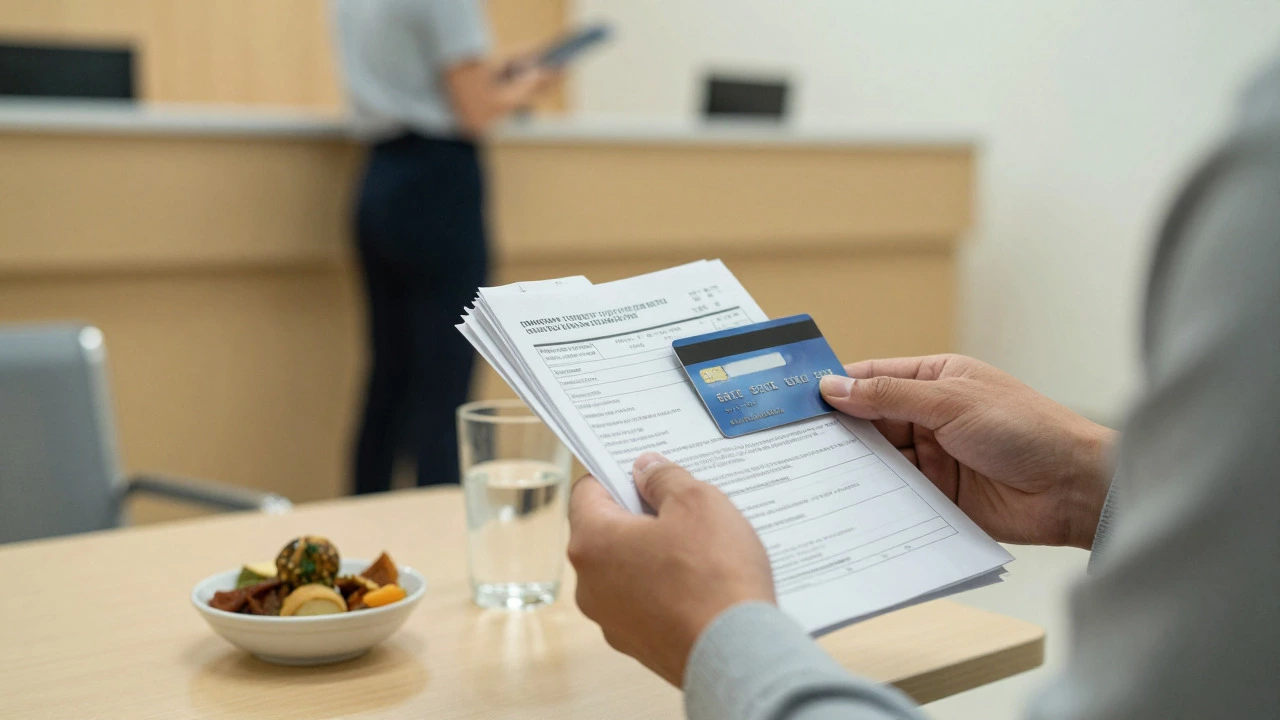
- Reimbursement Model: This is the most common scenario. You pay the hospital upfront using a credit card or cash. Then, you submit receipts, doctor notes, and discharge summaries to your insurer for reimbursement. Keep every single receipt, including taxi fares to the hospital, as some policies cover transport.
- No Coverage: If you are uninsured, costs can skyrocket. A night in a private ICU in Japan can cost upwards of $500-$1,000 USD. In contrast, public hospitals in India or Thailand may charge significantly less, but wait times can be longer, and facilities may feel crowded.
A pro tip: Always carry at least $2,000 USD in liquid funds (cash or accessible credit) separate from your daily spending money. Credit cards can freeze during long hospital stays due to fraud detection algorithms flagging unusual overseas charges. Having cash ensures you never miss a medication dose because of a frozen bank account.
Language Barriers and Medical Consent
Medicine is precise, and language errors can be dangerous. Have you ever tried explaining a complex allergy history to someone who only understands basic phrases? It’s stressful. In many Asian and Latin American medical tourism hubs, doctors are trained in English, but nurses and technicians may not be. This gap can lead to misunderstandings about dosage, side effects, or post-op care instructions.
To mitigate this, use visual aids. Download a medical translation app that allows you to point at body parts and symptoms. Better yet, bring a one-page summary of your medical history written in the local language. Many pharmacies near hospitals offer free translation services for these documents. When signing consent forms, don’t just sign blindly. Ask the doctor to explain the risks in simple terms, and if possible, have a friend or family member join via video call to witness the conversation. This creates a second set of ears for important details.
Visa Rules and Legal Stays
This is the area where people get surprised. Do you know if your current visa allows you to stay in the country while recovering from surgery? Many tourist visas have strict duration limits. If you undergo a procedure that requires two weeks of recovery, you might violate immigration laws if you entered on a 14-day tourist pass.
Some countries offer specific "medical visas." For example, Thailand and Malaysia have streamlined processes for patients coming for long-term treatment. These visas allow you to stay for the duration of your care plus a buffer period for recovery. However, applying for them takes time. If you are already in the country on a tourist visa and suddenly need surgery, you may need to extend your stay through local immigration offices. This adds bureaucracy and cost. Always check the maximum allowed stay for your visa type before booking any elective procedures.
Quality of Care: What to Expect
Not all foreign hospitals are created equal. The concept of JCI accreditation is crucial here. The Joint Commission International (JCI) sets global standards for patient safety and quality. If a hospital has JCI accreditation, it means their protocols for infection control, medication management, and emergency response meet rigorous international benchmarks. Look for this logo on their website or lobby.
In terms of technology, many developing nations have leapfrogged older systems. For instance, cardiac surgery centers in India often utilize the latest robotic-assisted tools, similar to those found in the US, but at a fraction of the cost. However, follow-up care is a different story. Once you fly home, who monitors your healing? Make sure your foreign surgeon provides detailed discharge instructions in English and maintains communication via email or telehealth platforms for at least six weeks post-discharge.

Comparison: Emergency vs. Planned Care Abroad
The experience differs drastically depending on whether you planned the visit or if it was an accident.
| Factor | Emergency (Unplanned) | Planned (Elective/Tourism) |
|---|---|---|
| Preparation Time | Zero; immediate action required | Weeks to months for research and visa | Cost Control | Low; prices are fixed by hospital | High; you can negotiate packages | Language Barrier | High stress; limited time to translate | Manageable; can hire interpreters | Visa Status | Risk of overstaying if recovery is long | Can apply for specific medical visa | Follow-up Care | Often disconnected; must manage locally | Structured; coordinated with home doctor |
Cultural Nuances in Patient Interaction
How you interact with doctors varies by culture. In the US or UK, patients are encouraged to ask questions and challenge diagnoses. In parts of East Asia, hierarchy is respected, and questioning a senior doctor might be seen as rude. This doesn’t mean you should stay silent, but adjust your tone. Use polite phrasing like "Could you please explain..." rather than "Why did you...?"
Dietary habits also matter. If you are recovering from surgery, the hospital food might be unfamiliar. Spices, portion sizes, and ingredients can trigger digestive issues that complicate healing. Pack some familiar snacks or request plain meals. Also, consider religious or cultural fasting practices if applicable. Knowing these small details shows respect and helps you recover faster.
Returning Home: The Final Step
Leaving the hospital is not the end of the journey. You need to ensure continuity of care. Before you fly, ask the foreign doctor for a complete medical record packet. This should include operative notes, lab results, imaging scans (on CD or cloud link), and a clear list of medications with generic names. Why generic names? Because brand names change across countries. Your pharmacist back home needs to recognize the drug.
Schedule a follow-up appointment with your primary care provider within 48 hours of landing. Share the foreign medical records with them immediately. This prevents duplicate tests and ensures your home doctor is aware of any changes made during your treatment abroad. If you had dental work or cosmetic surgery, keep in mind that swelling can persist for weeks. Plan your return flight accordingly to avoid discomfort during takeoff and landing pressure changes.
Do I need special insurance to go to the hospital abroad?
Yes, standard domestic health insurance rarely covers overseas care. You need a dedicated travel medical insurance policy or an international health plan. Check if your policy covers pre-existing conditions, as some exclude them unless disclosed during purchase.
What documents should I carry when traveling for medical reasons?
Carry your passport, valid visa, insurance policy card, copies of recent medical reports, a list of current medications, and emergency contact details. Digital copies stored in the cloud are essential backups in case physical documents are lost.
Is it safe to have surgery in a developing country?
It is generally safe if you choose a JCI-accredited hospital with experienced surgeons. The key is due diligence. Verify the surgeon’s credentials, read patient reviews, and confirm the hospital’s infection control protocols before booking.
How do I handle medication prescriptions when returning home?
Bring enough medication for the trip home plus a few extra days. Carry the original prescription bottle with the label intact. If you ran out, ask the foreign doctor for a letter stating the generic name and dosage, which you can show to your local pharmacist for a refill.
What if I get sick in a country with no public healthcare?
You will likely need to pay out-of-pocket initially. Contact your insurance provider immediately to authorize direct billing if possible. If uninsured, seek community clinics or university hospitals, which often charge lower fees than private luxury hospitals.