
Metformin Weight Loss Estimator
Your Profile & Plan
Enter your details to see realistic weight loss projections over 12 months.
Projected Outcome
Note: This is an estimate based on clinical averages. Individual results vary significantly due to genetics, metabolism, and other health factors.
You pop the pill every morning with your coffee. You wait for the scale to drop. But three months later, you’re down maybe two or three pounds, not twenty. It’s frustrating, especially when you hear stories about people shedding significant weight just by taking this common Metformin prescription. So, can you actually lose 20 pounds on Metformin alone? The short answer is: it’s rare, but possible if you treat the drug as a tool rather than a magic wand.
Most clinical studies show average weight loss between 5% and 10% of body weight over six months to a year. For someone weighing 200 pounds, that’s 10 to 20 pounds. But here’s the catch: those numbers usually come from participants who also changed their diet and activity levels. If you’re expecting the medication to do all the heavy lifting while your habits stay the same, you’ll likely be disappointed. Let’s break down what really happens in your body, why some people see dramatic changes while others don’t, and how to stack the odds in your favor.
The Science Behind Metformin and Weight
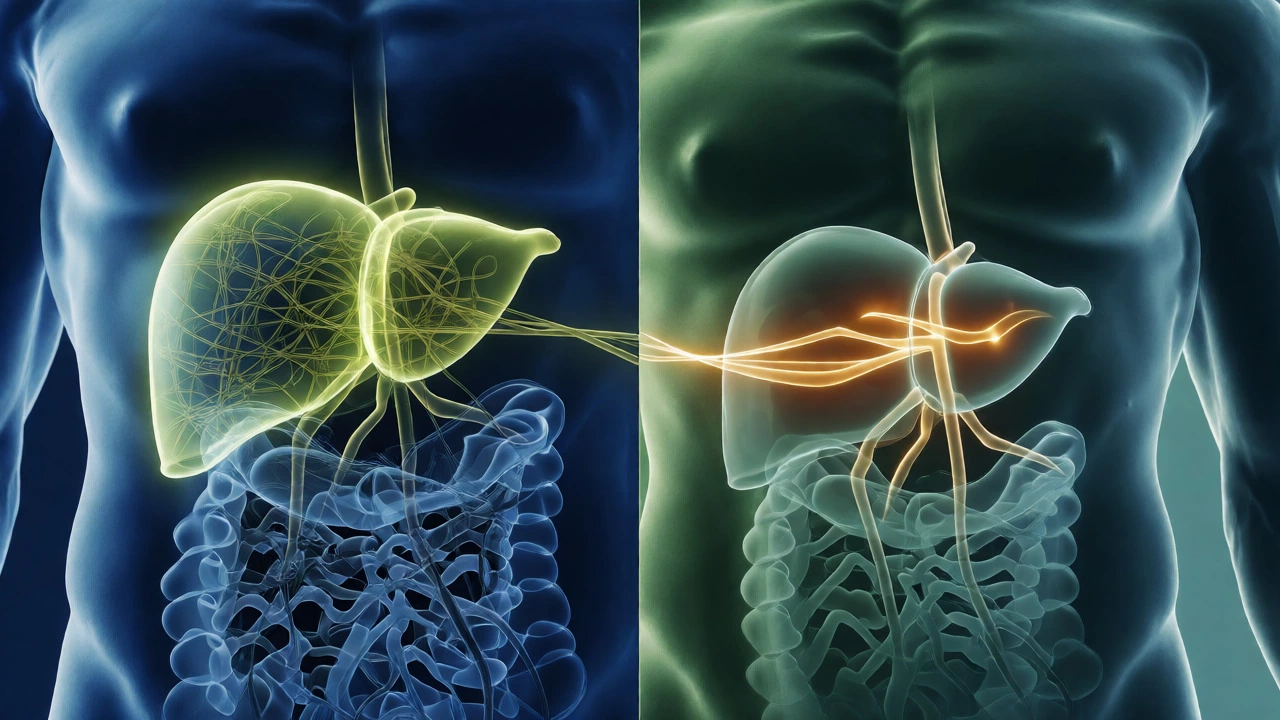
To understand why Metformin helps some people lose weight, you have to look at what it does to your metabolism. Originally approved for type 2 diabetes, Metformin is an antihyperglycemic agent that primarily works by lowering glucose production in the liver and improving how your muscles respond to Insulin. When your cells become sensitive to insulin again, your body stops storing excess sugar as fat so aggressively.
There are a few mechanisms at play here:
- Appetite Suppression: Many users report feeling less hungry. This isn’t necessarily because the drug shuts off hunger signals directly, but because stable blood sugar levels prevent those intense crashes that lead to binge eating carbs.
- Gut Microbiome Changes: Recent research suggests Metformin alters gut bacteria composition. Some strains thrive under its influence, which may reduce inflammation and improve metabolic efficiency.
- Reduced Liver Glucose Output: By telling your liver to stop pumping out so much sugar, you lower circulating insulin levels. Lower insulin means your body is more willing to burn stored fat for energy instead of locking it away.
However, Metformin is not a stimulant like phentermine, nor is it a GLP-1 agonist like Ozempic, which actively slows gastric emptying and targets brain satiety centers hard. Metformin is subtle. It fixes the plumbing so your body can function correctly, but it doesn’t force the engine to run faster.
Realistic Timeline: How Long Does It Take?
If you start today, don’t check the scale tomorrow. Metformin takes time to build up in your system and adjust your metabolic baseline. Most people notice initial appetite changes within the first two weeks. Actual weight loss typically begins after four to six weeks of consistent use.
| Timeframe | Expected Change | What’s Happening Inside |
|---|---|---|
| Weeks 1-4 | 0-2 lbs (or none) | Body adjusting to GI side effects; insulin sensitivity starting to improve. |
| Months 2-3 | 2-5 lbs | Appetite stabilizes; cravings for sweets decrease noticeably. |
| Months 6-12 | 5-15 lbs total | Metabolic rate optimizes; potential plateau if lifestyle hasn’t changed. |
| Year 1+ | Maintenance or slow loss | Weight loss slows significantly; focus shifts to health markers over scale. |
Hitting 20 pounds usually requires staying on the medication for at least a year, often longer, combined with strict adherence to dietary changes. If you haven’t seen any movement by month three, talk to your doctor. They might need to adjust your dosage-typically ranging from 500mg to 2000mg daily-or switch formulations to extended-release (ER) to minimize stomach issues that might be preventing you from sticking with it.
Why Some People Lose More Than Others
Not everyone responds to Metformin the same way. Your genetics, current weight, and underlying conditions play huge roles. People with severe Insulin Resistance or Polycystic Ovary Syndrome (PCOS) often see better results because their baseline hormonal imbalance is more pronounced. Correcting that imbalance yields a bigger shift in metabolism.
Conversely, if you have mild insulin resistance or your weight gain stems from other factors-like thyroid issues, stress-induced cortisol spikes, or purely caloric surplus-Metformin will have a smaller impact. It addresses specific metabolic pathways. If those pathways aren’t the primary driver of your weight, the drug won’t fix the problem.
Also consider your starting BMI. Someone with a BMI of 40 has more weight to lose and may see larger absolute numbers (like 20+ pounds) simply because there’s more mass to shed. A person with a BMI of 27 trying to lose 20 pounds is aiming for a very lean physique, which is biologically harder to achieve regardless of medication.
How to Maximize Results: The Lifestyle Stack
Since Metformin works best when paired with healthy habits, here is how to structure your routine to hit that 20-pound goal.
Dietary Adjustments
Metformin makes you more sensitive to carbohydrates. Eating high-glycemic foods (white bread, sugary drinks, pastries) can cause rapid blood sugar spikes followed by crashes, leading to fatigue and hunger. Focus on low-glycemic index foods:
- Non-starchy vegetables (broccoli, spinach, peppers).
- Lean proteins (chicken, fish, tofu).
- Healthy fats (avocado, olive oil, nuts).
- Complex carbs in moderation (quinoa, sweet potatoes, oats).
Protein is key. Aim for 0.8 to 1 gram of protein per pound of target body weight. This preserves muscle mass during weight loss, keeping your metabolism high.
Exercise Strategy
You don’t need to run marathons. Resistance training is particularly effective when using Metformin. Building muscle increases your body’s demand for glucose, enhancing the drug’s effect on insulin sensitivity. Try strength training two to three times a week. Combine this with moderate cardio-brisk walking, cycling, or swimming-for 150 minutes a week. Consistency beats intensity here.
Hydration and Gut Health
Metformin can cause gastrointestinal upset, including diarrhea or nausea, especially when starting. Staying hydrated helps mitigate this. Additionally, incorporating probiotics or fermented foods (yogurt, kefir, sauerkraut) can support the gut microbiome changes induced by the medication, potentially reducing side effects and aiding digestion.
Potential Pitfalls and Side Effects
Before chasing that 20-pound mark, weigh the pros and cons. Metformin is generally safe, but it’s not without risks.
- Vitamin B12 Deficiency: Long-term use can interfere with B12 absorption. Low B12 causes fatigue and nerve damage, which can mimic symptoms of depression or neuropathy. Get your levels checked annually.
- Lactic Acidosis: Rare but serious. Risk increases with kidney impairment or excessive alcohol consumption. Avoid heavy drinking while on this med.
- GI Distress: Nausea, bloating, and diarrhea affect up to 30% of new users. Extended-release versions help, as does taking the pill with food.
If side effects persist beyond the first few weeks, don’t quit silently. Talk to your provider. Sometimes switching brands or adjusting the dose timing solves the issue.

When Metformin Isn’t Enough
If you’ve been on Metformin for six months, improved your diet, exercised regularly, and still haven’t lost significant weight, it might be time to reassess. Newer medications like GLP-1 receptor agonists (Semaglutide, Liraglutide) offer more potent weight loss effects, often averaging 15% body weight reduction. These work differently by targeting brain satiety centers and slowing digestion.
Your doctor might suggest adding one of these to your regimen or switching entirely. Also, investigate other medical causes. Thyroid dysfunction, sleep apnea, or hormonal imbalances (like PCOS or Cushing’s syndrome) can stall weight loss despite medication adherence.
Frequently Asked Questions
Does Metformin cause weight loss in non-diabetics?
Yes, many non-diabetics take Metformin off-label for weight management, particularly those with prediabetes or PCOS. Studies show modest weight loss (2-5% of body weight) is common, though it varies widely based on individual metabolism and lifestyle factors.
Will I regain weight if I stop taking Metformin?
Likely, yes. Since Metformin improves insulin sensitivity, stopping it can return your body to its previous state of resistance. Without continued lifestyle changes, weight regain is common. Think of it as managing a condition, not curing it permanently.
Is 20 pounds a realistic goal for Metformin users?
It is achievable but not typical for everyone. Average loss is closer to 5-10 pounds initially. Reaching 20 pounds usually requires long-term use (over a year), strict dietary control, and regular exercise. Individual responses vary significantly based on starting weight and genetic factors.
Does Metformin burn belly fat specifically?
Metformin reduces visceral fat (the dangerous fat around organs) by improving insulin sensitivity. While you cannot spot-reduce fat, losing visceral fat often correlates with visible reductions in waist circumference. However, overall body fat percentage must decrease for noticeable belly changes.
What is the best dosage for weight loss?
There is no single "weight loss dose." Doctors typically titrate up to 2000mg daily if tolerated. Higher doses correlate with greater appetite suppression in some patients, but side effects also increase. Always follow your prescriber's guidance rather than self-adjusting.