Mayo Clinic Suitability Checker
Select the options that apply to your current situation to see if Mayo Clinic's specific model fits your needs.
Select your criteria and click Analyze to see if Mayo Clinic is the right fit for you.
Have you ever heard a doctor say, "I would go to Mayo Clinic if I were in your shoes"? It happens more often than you think. For decades, this phrase has been the highest compliment one physician can give another. But why does a single hospital system command such reverence from patients and doctors alike? Is it just marketing, or is there something fundamentally different about how they treat people?
If you are considering medical tourism to the United States, or simply trying to understand global healthcare standards, the answer lies in a specific model of care that most other institutions struggle to replicate. The fame of Mayo Clinic isn't accidental; it is built on a century-old promise that puts the patient above everything else.
The "Patient First" Philosophy
At the heart of Mayo Clinic’s reputation is a simple but powerful motto: "The needs of the patient come first." Most hospitals operate with a business-first or department-first mindset. At Mayo, the structure is flipped. This isn't just a slogan hanging in the lobby; it dictates every operational decision, from scheduling appointments to allocating resources.
In many large health systems, specialists work in silos. An oncologist sees you, then a radiologist sees you, then a surgeon sees you. They might not even talk to each other before you leave the building. At Mayo Clinic, these specialists sit together in multidisciplinary teams. They review your case collectively before presenting a unified plan to you. For someone navigating a complex diagnosis like cancer or heart disease, this eliminates the confusion of conflicting opinions and reduces the time spent waiting for referrals.
Integrated Care Model
This team-based approach is known as integrated care. It is the engine that drives Mayo's efficiency and accuracy. When you walk into Mayo, whether in Rochester, Minnesota, Jacksonville, Florida, or Phoenix, Arizona, you enter a system designed to share information seamlessly.
Imagine having a rare autoimmune disorder. In a traditional setup, you might see five different specialists over six months, repeating your history and tests each time. With an integrated model, all relevant specialists access the same digital record simultaneously. They collaborate in real-time. This means fewer duplicate tests, faster diagnoses, and treatment plans that account for how one condition affects another. For international patients traveling thousands of miles, this speed and coherence are invaluable. You don't want to fly across the world just to wait three weeks for a specialist consultation.
Clinical Excellence and Innovation
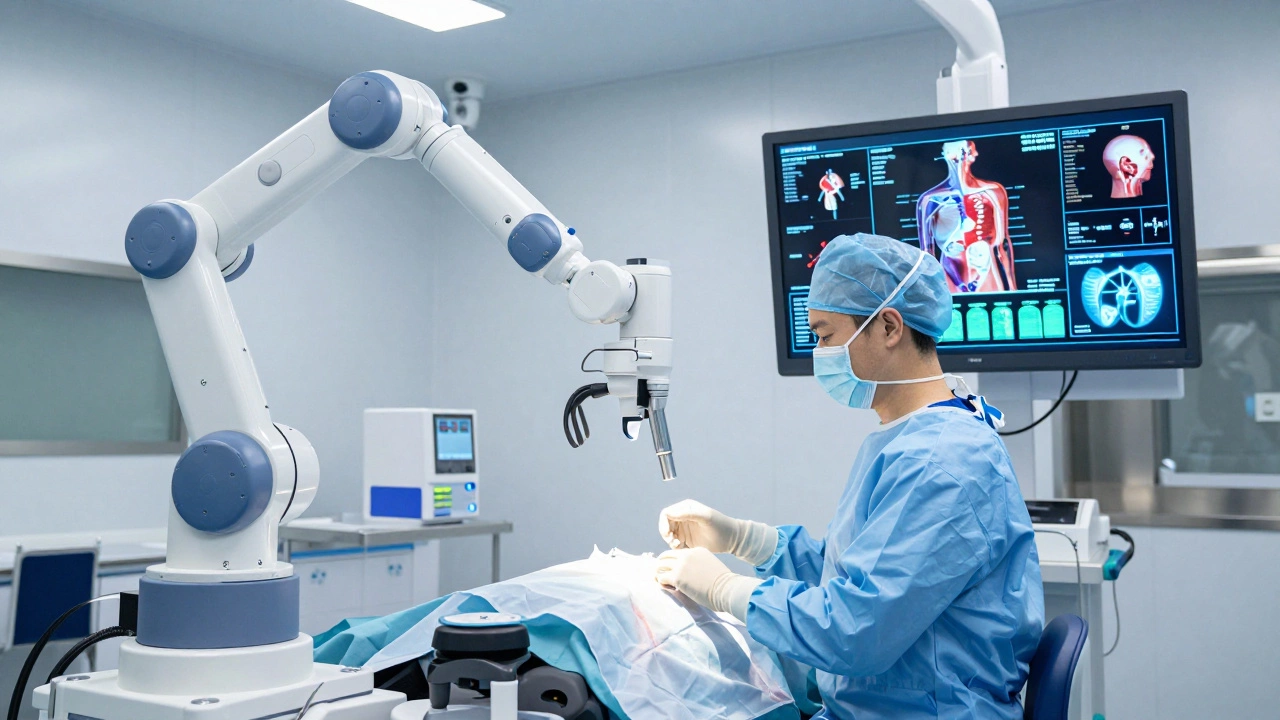
Fame also requires staying ahead of the curve. Mayo Clinic is not just a place where doctors practice medicine; it is a hub for creating it. The institution invests heavily in clinical research and innovation. They are often the first to adopt new technologies, such as advanced robotic surgery systems or AI-driven diagnostic tools.
For example, Mayo has pioneered minimally invasive techniques for heart valve replacements and complex spinal surgeries. If you are seeking treatment for a condition that requires cutting-edge intervention, Mayo is frequently at the forefront. Their researchers publish extensively in top medical journals, contributing to global guidelines on how to treat diseases ranging from diabetes to neurodegenerative disorders. This continuous cycle of research informs practice, ensuring that patients receive treatments based on the latest scientific evidence, not outdated protocols.
| Feature | Traditional Hospital | Mayo Clinic Model |
|---|---|---|
| Specialist Coordination | Often siloed; patient manages referrals | Team-based; specialists collaborate directly |
| Decision Making | Individual doctor opinion | Consensus among multidisciplinary team |
| Patient Experience | Variable; depends on individual staff | Standardized high-touch service culture |
| Research Integration | Often separate from clinical care | Tightly integrated; patients access trials early |
| Global Reputation | Local or regional focus | World-renowned destination for complex cases |
A Century of Trust
Reputation takes time to build. Founded in 1864 by Dr. William Worrall Mayo and his sons, William James, Charles Horace, and Edward Martin, the clinic started as a small general practice in rural Minnesota. Over 160 years, it grew into one of the largest nonprofit medical groups in the world. This longevity matters. In healthcare, trust is earned through consistent results over generations. Families often return to Mayo because their parents did, creating a legacy of faith in the institution.
Unlike for-profit chains that may change leadership or priorities frequently, Mayo remains a private, nonprofit organization. All surplus revenue is reinvested into patient care, research, and education. This stability ensures that long-term goals, like curing disease rather than maximizing quarterly profits, remain the focus. For patients, especially those dealing with life-threatening conditions, this sense of permanence and ethical grounding provides significant peace of mind.
The Patient Experience Factor
You can have the best doctors in the world, but if the patient experience is poor, word spreads fast. Mayo Clinic is famous for its hospitality. From the moment you arrive, you are treated with dignity and respect. Staff members are trained not just in clinical skills but in empathy and communication.
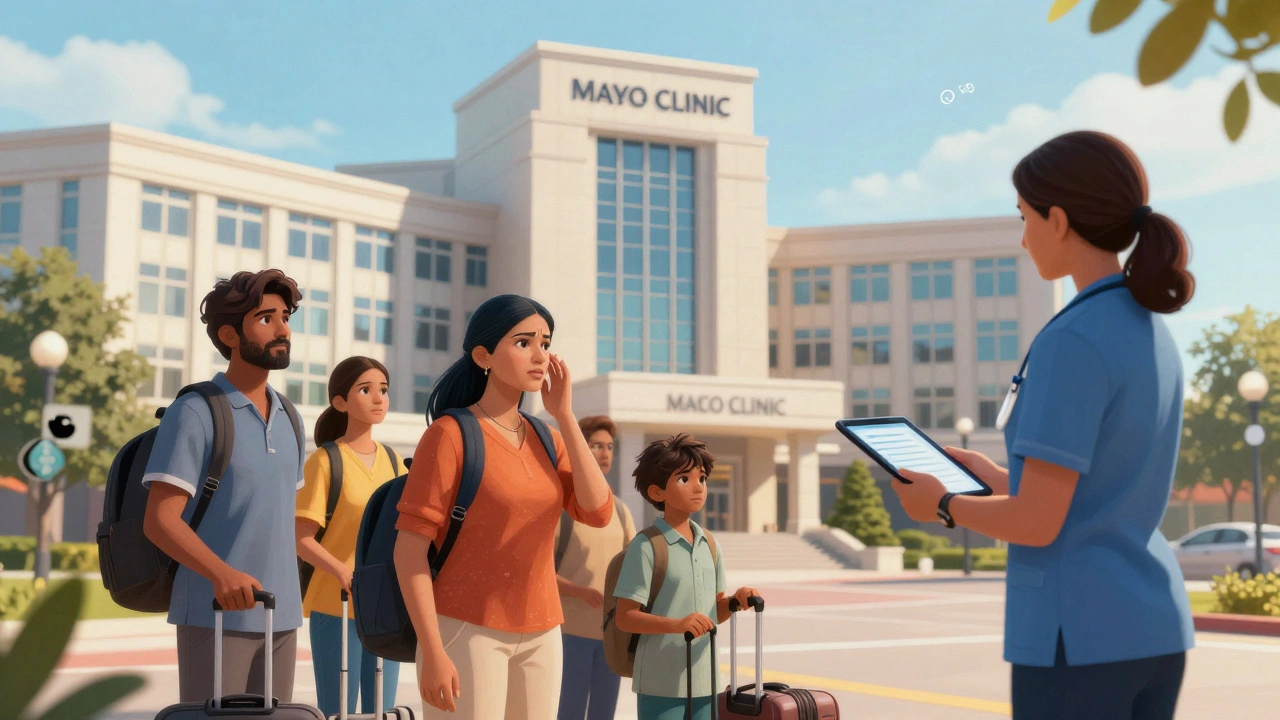
Consider the logistics of medical tourism. You are likely stressed, possibly in pain, and far from home. Mayo addresses this with dedicated international patient services. They help with visa letters, travel arrangements, housing near the campus, and translation services. The campuses themselves are designed for comfort, with clean, modern facilities and ample amenities. Small touches matter: easy-to-navigate buildings, attentive nursing staff who check in regularly, and clear explanations of next steps. This human-centric approach transforms a scary medical journey into a manageable process.
Challenges and Realities
No institution is perfect, and Mayo Clinic faces challenges too. The primary issue is cost. Healthcare in the United States is expensive, and while Mayo offers value through efficiency, bills can still be high for uninsured or underinsured patients. However, for many international patients, the cost is justified by the potential for a definitive diagnosis or successful surgery that avoids multiple failed attempts elsewhere.
Another challenge is accessibility. Because demand is so high, getting an appointment can take time. Mayo encourages patients to try local providers first unless their case is truly complex. They use a rigorous triage process to ensure that their resources are directed toward patients who will benefit most from their specialized expertise. This means if you have a straightforward condition, you might be referred to a closer provider. But for complex, rare, or multi-system diseases, Mayo remains the gold standard.
Why It Matters for Medical Tourists
If you are exploring medical tourism options, understanding why Mayo Clinic is famous helps you make informed decisions. It is not just about prestige; it is about outcomes. Studies consistently show that Mayo patients have better survival rates for certain cancers and cardiac conditions compared to national averages. This data-backed excellence is what draws patients from India, Europe, the Middle East, and beyond.
For a patient in Bangalore, for instance, facing a complex cardiac issue, the choice might involve weighing local expertise against the comprehensive, integrated approach of a global leader. While local care has improved dramatically, the ability to access a team that has seen thousands of similar cases and collaborates in real-time is a unique advantage. Mayo’s global network allows for second opinions via telehealth, reducing the need for unnecessary travel while still tapping into their expertise.
Looking Ahead
As healthcare evolves, Mayo Clinic continues to adapt. They are expanding their digital health capabilities, offering remote monitoring and virtual consultations. This shift makes their expertise more accessible to patients worldwide, regardless of geography. The core principles-team-based care, patient-first philosophy, and commitment to innovation-remain unchanged. These are the pillars that have kept Mayo Clinic famous for over a century, and they will likely continue to define its future.
Ultimately, Mayo Clinic’s fame is not a mystery. It is the result of doing what is hardest in healthcare: putting the patient at the center of every decision, every day, for over 150 years. For those seeking the best possible care for complex conditions, that consistency is worth the journey.
Is Mayo Clinic only for rich people?
While healthcare costs in the US are high, Mayo Clinic accepts most major insurance plans and offers financial assistance programs for uninsured patients. For international patients, costs vary widely depending on the procedure. It is essential to get a detailed cost estimate upfront. Many find that the comprehensive nature of care reduces overall expenses by avoiding repeated tests and ineffective treatments.
How do I get an appointment at Mayo Clinic?
You can request an appointment online through their official website or contact their International Patient Services team directly. They require medical records and imaging results to review your case before scheduling. This pre-screening ensures that your condition aligns with their specialized expertise. Be prepared to provide detailed documentation from your previous doctors.
Which Mayo Clinic location should I choose?
Mayo has three main campuses: Rochester (Minnesota), Jacksonville (Florida), and Phoenix (Arizona). Rochester is the original and largest site, offering the broadest range of specialties. Jacksonville and Phoenix are newer but equally excellent, often with shorter wait times. Choose based on geographic convenience, specific specialty availability, and climate preferences.
Can I get a second opinion from Mayo without visiting?
Yes. Mayo offers virtual second opinions where you submit your medical records and images online. A team of specialists reviews them and provides a written recommendation. This service is ideal for patients who want expert advice without the cost and hassle of traveling internationally. It can help confirm a diagnosis or suggest alternative treatment paths.
What makes Mayo Clinic different from other top US hospitals?
The key difference is the integrated, team-based model. Unlike many hospitals where specialists work independently, Mayo clinicians collaborate closely on every case. This reduces errors, speeds up diagnosis, and ensures a unified treatment plan. Additionally, Mayo’s nonprofit status and century-long commitment to the "patient first" philosophy create a distinct culture of care that prioritizes outcomes over profit.