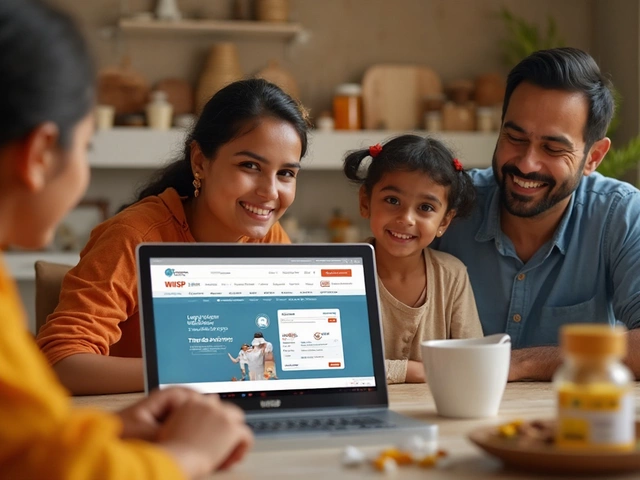
Travel Safety: Protect Your Health While You're on the Move
When you think of travel safety, the practices and precautions that keep you healthy and secure while away from home. Also known as trip health preparedness, it's not just about locking your hotel room or avoiding pickpockets—it's about knowing what medicines to pack, where to buy real drugs abroad, and how to handle health emergencies far from home. Many people assume that if they’re just going on vacation, they don’t need to plan for medical risks. But a bad reaction to a fake pill, a sudden flare-up of diabetes, or even brain fog after past surgery can turn a dream trip into a nightmare.
Travel medicine, the branch of healthcare focused on preventing illness during international travel covers everything from vaccines to managing chronic conditions like diabetes or heart disease. If you're on Ozempic or another GLP-1 drug for weight loss, you need to know how heat, time zones, and food changes affect your body. Safe pharmacies, licensed outlets that sell verified medications without counterfeit risk are rare in some countries, and fake drugs are a real danger—especially online. One person might buy what they think is metformin, only to get chalk and sugar. That’s not just a waste of money—it can be life-threatening.
And it’s not just about pills. If you’ve had heart surgery, even years ago, your brain might still be recovering. Studies show up to 42% of older patients deal with memory issues or brain fog after cardiac procedures. Travel stress, lack of sleep, or dehydration can make that worse. You might not feel sick until you’re halfway across the world. That’s why knowing your limits, packing extra meds in your carry-on, and carrying a doctor’s note about your condition isn’t overkill—it’s survival.
Some travelers ignore Ayurvedic cleanses or herbal detoxes because they sound natural. But these aren’t harmless teas—they can clash with your prescriptions, cause dizziness, or even damage your liver. If you’re taking diabetes meds or blood thinners, mixing them with unregulated herbs is like playing Russian roulette with your health.
And then there’s the question of where to get help if something goes wrong. Spain tops global health rankings—not because it’s perfect, but because its system is reliable, affordable, and easy to navigate for foreigners. Knowing which countries offer trustworthy care can save you from being stuck in a clinic with no English speaker and no real records.
This collection doesn’t just list tips. It gives you real stories and facts from people who’ve been there: the woman who lost weight on Ozempic and had to adjust her dose mid-trip, the man who nearly bought fake insulin in a foreign market, the retiree who felt mentally off after heart surgery and didn’t realize it was linked until she traveled. These aren’t hypotheticals. They’re lessons written in real experiences.
Whether you’re flying for business, visiting family, or chasing a beach, your health doesn’t take a vacation. The posts below cover everything you need to know—before you book your ticket, while you’re on the plane, and when you’re far from your usual doctor. You’ll learn how to choose a safe pharmacy, what to tell your doctor before you leave, which medications help you stay balanced on the road, and how to spot when something’s seriously wrong. No fluff. Just what works.

Average Cost of Travel Medical Insurance: What You Need to Know
Travel medical insurance is a crucial aspect of planning any international trip. It ensures that travelers are protected against unforeseen medical expenses while abroad. The cost varies depending on factors such as destination, age, and coverage levels. Understanding these costs and making informed decisions can save travelers significant money and hassle. Here's what you need to know to pick the right coverage and avoid common pitfalls.
View MoreLatest Posts