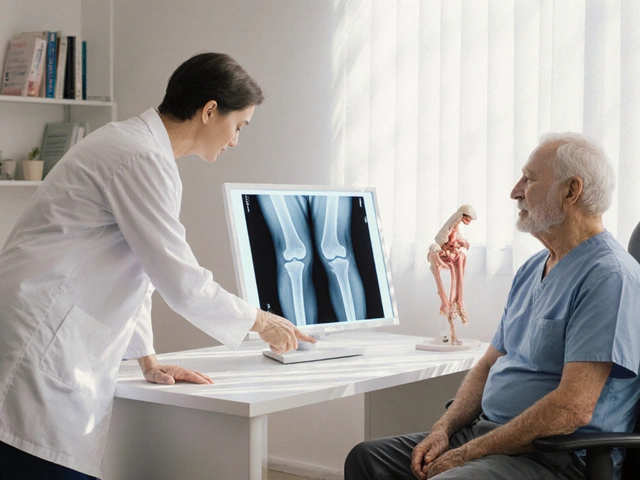
Surgery: What to Know About Risks, Recovery, and Real Outcomes
When you hear the word surgery, a medical procedure involving cutting into the body to treat disease or injury. Also known as operative intervention, it’s one of the most common ways doctors fix serious health problems—but it’s far from routine. Whether it’s a heart bypass, knee replacement, or even a dental implant, surgery isn’t just about the cut. It’s about what happens before, after, and inside your body while you’re under.
Not all surgeries are the same. heart surgery, a procedure to repair or replace damaged heart structures carries unique risks like brain fog, personality shifts, and delayed recovery—especially on day three, when pain and inflammation peak. Studies show up to 42% of older patients experience memory issues after open-heart procedures, not because something went wrong, but because the body reacts in ways we’re still learning to manage. Then there’s anesthesia, the drugs used to block pain and awareness during surgery. It’s not just about being asleep. It can trigger inflammation, affect cognition, and even interact with medications you’re already taking. These aren’t rare side effects—they’re common enough that doctors now track them closely.
Recovery isn’t just about healing the incision. It’s about rebuilding strength, managing pain, and adjusting to new limits. People who’ve had total knee replacement, a surgical procedure to replace a damaged knee joint often need weeks off work. Those facing heart surgery might need to relearn how to walk, think, or even sleep. And while some expect a quick fix, the truth is surgery often just starts the real work—diet, movement, mental health, and patience all play a role.
What you’ll find here isn’t a list of glossy success stories. It’s the real stuff: why day three after heart surgery feels like the worst, how brain fog shows up after bypass, who’s at highest risk, and what actually helps recovery—not just what’s advertised. You’ll see how weight loss drugs like Ozempic relate to surgical eligibility, how mental health shifts after major procedures, and why some people need to rethink their entire lifestyle before even stepping into an operating room. This isn’t about scaring you. It’s about preparing you—with facts, not fluff.

Who is Not a Good Candidate for Total Knee Replacement? What You Need to Know
Thinking about knee replacement? It doesn’t work for everyone. This article breaks down who might not be a good candidate and why it matters. Get tips for making better choices and learn about other options if surgery isn’t right for you. We’re laying out practical info to help you avoid mistakes and focus on what actually improves knee health.
View MoreLatest Posts