Prescription Drugs: What You Need to Know About Usage, Risks, and Alternatives
When you hear prescription drugs, medications legally issued by a doctor to treat or manage a health condition. Also known as controlled medications, they’re meant to be taken under medical supervision—yet many people use them without fully understanding how they work, what they interact with, or how long they should last. In India, where access to healthcare varies widely, prescription drugs often become the first—and sometimes only—solution for chronic conditions like diabetes, high blood pressure, or depression. But knowing what’s in the bottle is just the start.
Take diabetes medication, drugs designed to lower blood sugar levels in people with type 2 diabetes. Also known as antihyperglycemics, they range from the widely prescribed Metformin to newer GLP-1 agonists like semaglutide and liraglutide that also help with weight loss. These aren’t just sugar-lowering pills—they change how your body processes food, affect your appetite, and even protect your heart. But they don’t work the same for everyone. What helps one person lose weight might cause nausea in another. And if you’re also taking Ayurvedic supplements, you could be risking dangerous interactions. A cleanse promising detox might actually interfere with your insulin or blood thinners.
Then there’s the link between heart surgery, a major surgical procedure to repair or replace damaged heart tissue or vessels. Also known as cardiac surgery, it often requires a cocktail of prescription drugs before, during, and after the operation. Blood thinners, beta-blockers, and pain meds are standard—but they can also cause brain fog, memory loss, or even personality shifts in older patients. Up to 42% of people over 65 report mental changes after open-heart surgery. These aren’t just "normal aging"—they’re side effects of inflammation, anesthesia, and medication interactions. And if you’re on multiple prescriptions, your doctor might not even know about the herbal teas or supplements you’re taking at home.
And let’s not forget mental health meds, prescription drugs used to treat depression, anxiety, bipolar disorder, and other psychological conditions. Also known as psychotropic medications, they’re often misunderstood. People think therapy is the only path to healing—but for many, antidepressants or anti-anxiety drugs are the bridge that makes therapy possible. But they take weeks to work. They can cause weight gain, sleep issues, or emotional numbness. And stopping them cold turkey? That’s dangerous. You need a plan. You need to talk to your doctor. You need to know what you’re really taking.
Prescription drugs aren’t magic. They’re tools. Powerful ones. And like any tool, they can help—or hurt—depending on how you use them. That’s why this collection of posts matters. You’ll find real answers: which diabetes drugs actually help you lose weight, why Day 3 after heart surgery is the hardest, what happens to your brain after anesthesia, and why Ayurvedic cleanses can clash dangerously with your prescriptions. No fluff. No marketing. Just what you need to know before you swallow that pill.
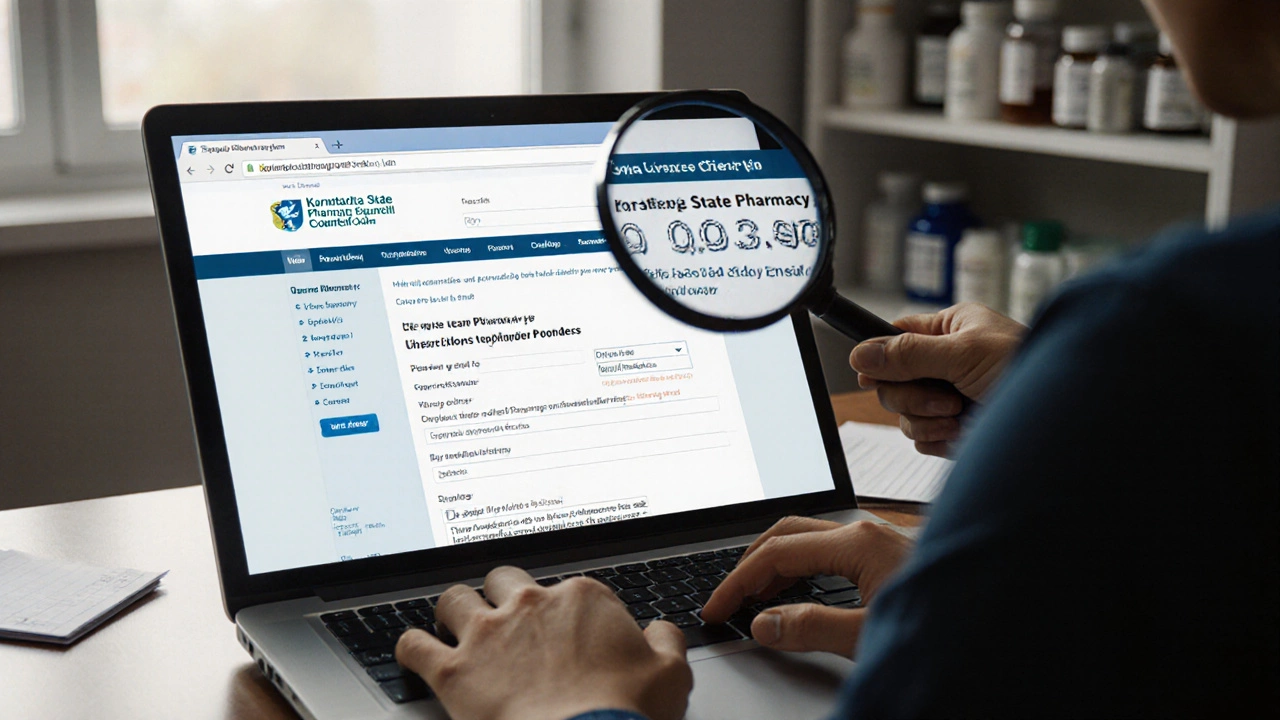
How to Choose a Safe and Reliable Online Pharmacy
Learn how to safely choose an online pharmacy in India by checking licenses, prescriptions, pricing, and reviews. Avoid fake sites and protect your health from counterfeit drugs.
View MoreLatest Posts