Postoperative Rehab: What to Expect and How to Recover Faster
When you leave the hospital after surgery, the real work begins: postoperative rehab, the structured process of regaining strength, mobility, and function after surgery. Also known as surgical rehabilitation, it’s not a luxury—it’s the difference between lingering pain and getting back to your daily life. Too many people think surgery is the finish line. It’s not. It’s the starting line. Your body didn’t just heal—it was rewired. Nerves are raw, muscles are weak, and your brain is still adjusting to the changes. That’s why rehab isn’t optional. It’s essential.
Not all surgeries need the same kind of rehab. After a heart surgery, a major procedure like bypass or valve replacement that impacts circulation and oxygen flow, recovery isn’t just about walking more. It’s about rebuilding lung capacity, managing brain fog, and preventing depression. Studies show up to 42% of older patients struggle with memory and focus after heart surgery, and that’s where targeted rehab makes a real difference. For joint replacements like a total knee replacement, a common procedure where the damaged knee joint is replaced with artificial components, rehab means relearning how to bend, stand, and walk without pain. It’s not about pushing through discomfort—it’s about rebuilding movement safely, step by step.
What most people don’t tell you? The worst days aren’t always the first ones. Day 3 after surgery is often the hardest—not because the pain is worse, but because the initial adrenaline fades, and reality hits. That’s when rehab starts to matter most. And it’s not just physical. Mental recovery matters too. Personality shifts, anxiety, and sleep problems after surgery are more common than you think. Rehab isn’t just exercises and stretches. It’s sleep hygiene, nutrition, emotional support, and knowing when to ask for help.
There’s no one-size-fits-all plan. Your rehab depends on your age, your health before surgery, the type of operation, and even your job. Someone who works at a desk needs a different path than someone who lifts heavy tools every day. But the goal is the same: get you back to living, not just surviving.
Below, you’ll find real stories and science-backed advice on what recovery actually looks like after major surgeries—whether it’s heart surgery, knee replacement, or something else. You’ll learn why Day 3 is brutal, how brain fog clears up, how long to stay off work, and what most people get wrong about healing. This isn’t guesswork. It’s what works—for people like you.
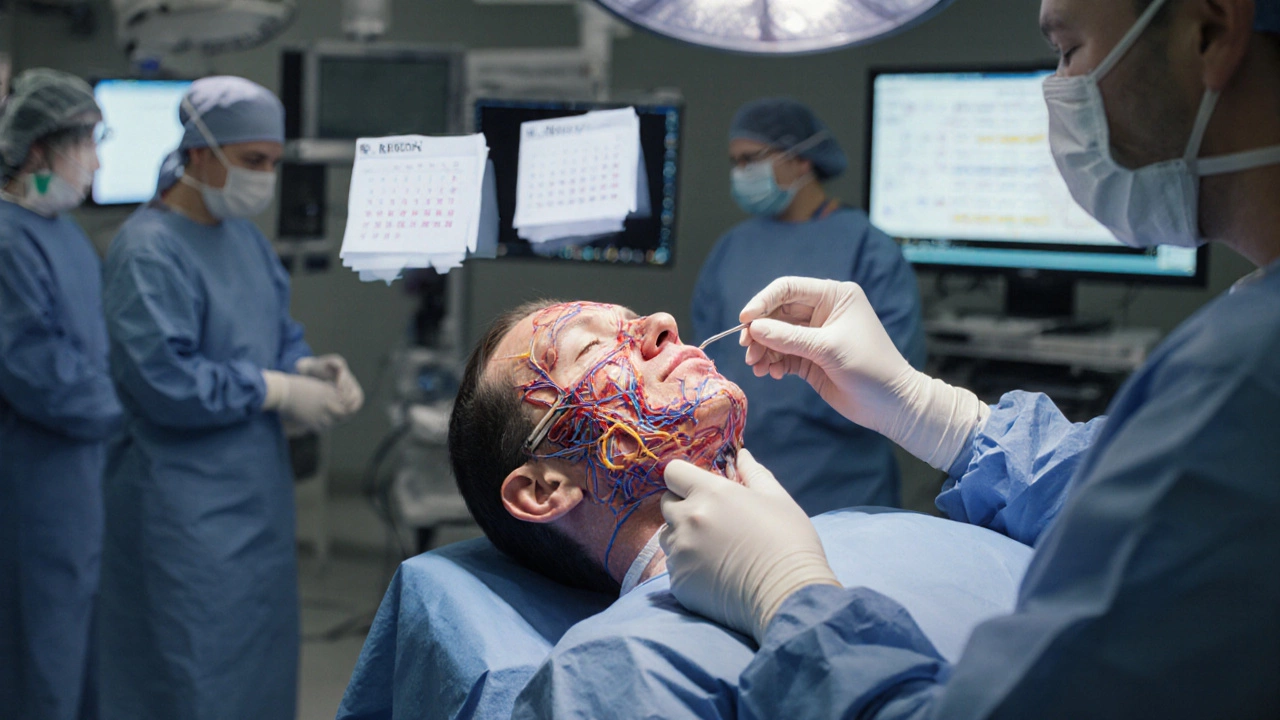
Which Surgery Has the Longest Recovery Time? Detailed Guide 2025
Explore which surgeries demand the longest recovery time, from full facial transplants to multi‑organ transplants, and learn practical tips to manage the prolonged rehab.
View MoreLatest Posts