Personality Change After Heart Surgery: What Really Happens to Your Mind
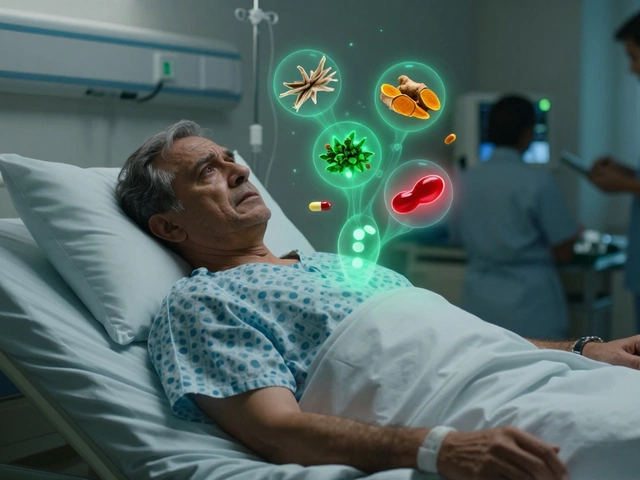
When your heart stops and restarts during surgery, your brain, the control center for emotions, memory, and decision-making doesn’t just sit still. Up to 42% of older patients experience cognitive decline post-surgery, a temporary or lasting dip in mental sharpness—and for some, that shows up as personality shifts. You might become more irritable, withdrawn, or emotional. Or you might forget names, struggle to focus, or feel like you’re not the same person you were before. This isn’t just "being tired." It’s a real, documented effect of cardiac surgery on the brain.
Why does this happen? During heart surgery, tiny clots or air bubbles can travel to the brain. The body’s inflammatory response to major surgery can also flood the brain with chemicals that mess with neurotransmitters. Then there’s the anesthesia—especially in older adults—that can linger in the system longer than expected. People with pre-existing conditions like diabetes, high blood pressure, or a history of stroke are more likely to see these changes. And it’s not just physical. The stress of surgery, long hospital stays, and disrupted sleep can all pile up and change how you think and feel. This isn’t weakness. It’s biology. Many patients feel guilty or confused when they snap at loved ones or can’t remember what they ate yesterday. But these aren’t signs of depression alone—they’re often direct results of heart surgery brain effects, the neurological impact of cardiac procedures.
Recovery isn’t linear. Some people bounce back in weeks. Others take months. The good news? Most changes are temporary. Movement, sleep, social connection, and mental stimulation all help the brain heal. Talking to someone who’s been through it—like a fellow patient or a therapist who understands cardiac recovery—can make a bigger difference than you think. You’re not alone in feeling this way. Below, you’ll find real insights from people who’ve lived through it, and the science behind why their minds changed after their hearts were fixed.
Why Do People Experience Personality Changes After Open-Heart Surgery?
Many people experience personality and cognitive changes after open-heart surgery due to brain inflammation, micro-emboli, and anesthesia effects. These shifts are common, often temporary, and treatable with early intervention.
View MoreLatest Posts