Mental Illness Signs: What to Watch For and When to Act
When someone you care about starts acting different—withdrawn, irritable, or just not themselves—it might not be stress. It could be mental illness, a medical condition affecting mood, thinking, and behavior that often shows up through subtle, recurring changes. Also known as psychological disorder, it doesn’t always mean someone is "crazy" or needs hospitalization. More often, it’s a quiet struggle that builds over weeks or months, and the first clues are easy to miss.
Look for patterns, not just one bad day. A person with depression, a common mental illness marked by persistent sadness and loss of interest might stop answering texts, skip meals, or sleep all day—not because they’re lazy, but because their brain chemistry has shifted. Someone with anxiety, a condition where fear becomes constant and overwhelming might avoid social events, obsess over small mistakes, or have panic attacks before leaving the house. These aren’t personality quirks. They’re symptoms. And they often show up together. Studies show nearly half of people with depression also have anxiety. The brain doesn’t work in neat boxes.
Don’t ignore sudden changes in behavior. If someone who used to be outgoing now sits alone for hours, or if a usually calm person starts yelling over tiny things, that’s a signal. So is talking about feeling hopeless, giving away prized possessions, or saying things like "I won’t be around much longer." These aren’t cries for attention—they’re emergency signals. Mental illness doesn’t always look like crying. Sometimes it looks like silence. Sometimes it looks like anger. Sometimes it looks like someone trying too hard to be okay.
And here’s the thing: mental illness doesn’t care if you’re rich, successful, or "strong." It doesn’t pick only the weak. It shows up in doctors, teachers, parents, and teenagers. It’s not rare. One in five adults in India will face it in their lifetime. Yet most wait years before seeking help—not because they don’t care, but because they don’t recognize the signs. That’s why knowing what to look for matters. You don’t need to be a therapist to spot the warning signs. You just need to pay attention.
The posts below cover real stories and science behind what happens when mental health declines. You’ll find how heart surgery can trigger personality shifts, why therapy isn’t the only path to healing, and what hidden connections exist between physical illness and mental state. These aren’t abstract ideas—they’re lived experiences. And they all point to one truth: recognizing the signs early gives you power. Power to help. Power to act. Power to change the outcome.
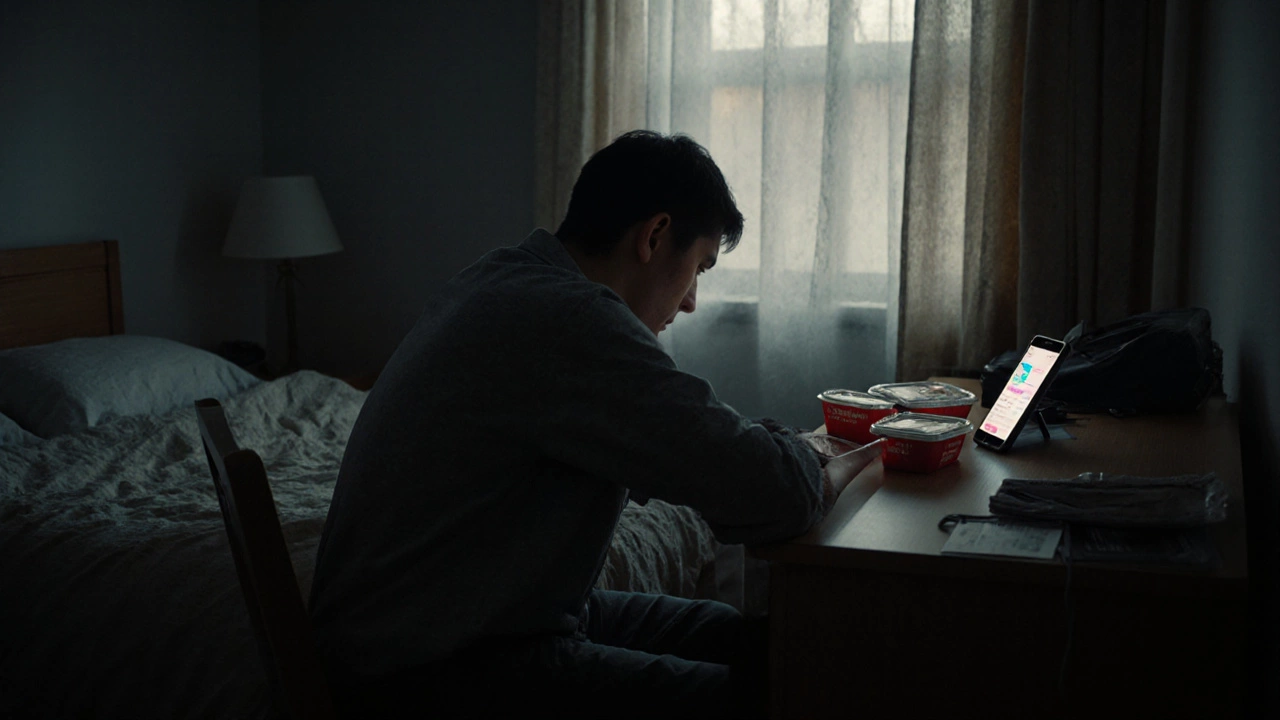
How to Tell if Someone Is Mentally Ill: Signs to Watch For
Learn the real signs someone might be struggling with mental illness-not just sadness or stress, but deeper warning signs like withdrawal, changes in behavior, and unexplained physical symptoms. Know when to step in.
View MoreLatest Posts