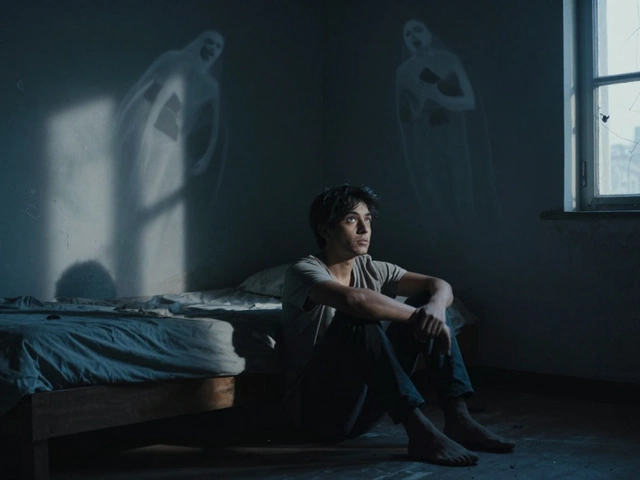
Mental Health Statistics: What the Data Really Shows About India's Crisis
When we talk about mental health statistics, quantitative measures that track the prevalence, impact, and treatment of mental disorders in a population. Also known as psychological health data, these numbers don’t just reflect clinical cases—they show how many people are suffering in silence, often without access to even basic support. In India, over 197 million people live with mental health conditions, according to the National Mental Health Survey of 2016. That’s more than the entire population of Brazil. Yet less than 10% of them receive any kind of professional help. The gap isn’t just about resources—it’s about stigma, misunderstanding, and the quiet belief that emotional pain isn’t "real" illness.
Depression and anxiety are the most common conditions, but they don’t show up the same way everywhere. In rural areas, people don’t say "I’m depressed." They say they can’t sleep, their body aches, or they’ve lost interest in work. These are the hidden symptoms that show up in mental illness signs, observable behaviors and physical changes that indicate an underlying psychological condition but often get mislabeled as laziness or weakness. Meanwhile, suicide rates among young adults have climbed sharply over the last decade, especially among women under 30. The World Health Organization says India accounts for nearly a third of all global suicides among people aged 15 to 29. These aren’t abstract numbers—they’re neighbors, students, siblings, and coworkers.
What’s missing isn’t just treatment—it’s awareness. Many people still think therapy is only for "crazy" people, or that meditation alone can fix deep trauma. But depression rates, the percentage of a population diagnosed with persistent low mood, loss of interest, and functional impairment are rising even among middle-class urban families who can afford care. And while urban centers have clinics, rural areas have none. A single psychiatrist might serve 100,000 people. That’s not a healthcare system—it’s a crisis waiting to break open.
What you’ll find in these posts isn’t just data—it’s real stories behind the numbers. You’ll see how anxiety disorders, conditions marked by excessive fear, worry, and physical symptoms like rapid heartbeat or panic attacks show up after heart surgery, how personality changes after medical trauma are more common than people admit, and why community and routine often heal more than therapy alone. These aren’t theoretical discussions. They’re snapshots of lives being reshaped by invisible wounds. And if you’ve ever felt alone in your struggle, you’re not. The statistics say so. The stories here prove it.
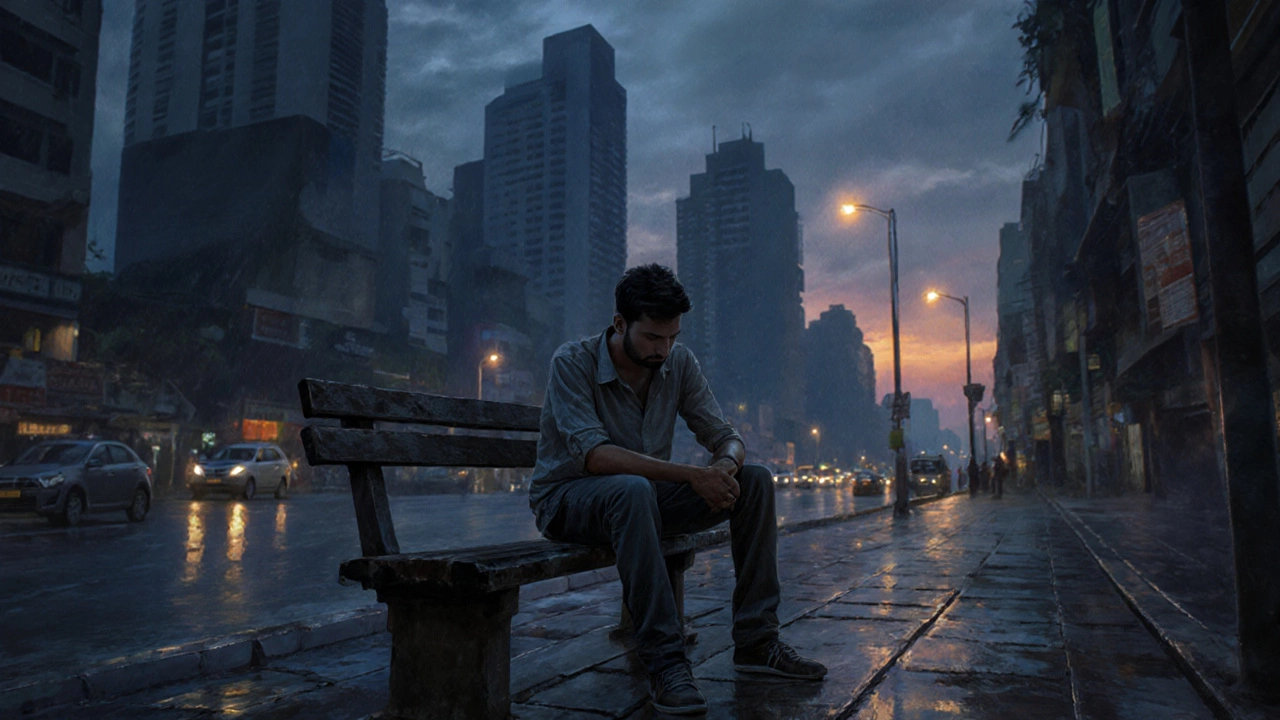
Deadliest Mental Illness Revealed: Why Major Depressive Disorder Tops the List
Explore why Major Depressive Disorder is the deadliest mental illness, how it drives global suicide rates, and what practical steps can lower the risk.
View MoreLatest Posts