IVF History: How In Vitro Fertilization Changed Family Building
When we talk about IVF, in vitro fertilization, a medical process where eggs are fertilized outside the body and implanted into the uterus. Also known as test tube baby, it’s no longer science fiction—it’s a reality for millions of families worldwide. The first successful IVF birth in 1978, with Louise Brown in England, wasn’t just a medical milestone. It shattered long-held beliefs about what was possible in human reproduction. Before that, infertility was often seen as a dead end. IVF proved that biology could be guided, not just accepted.
Behind every IVF success today lies decades of trial, error, and quiet persistence. Doctors like Patrick Steptoe and Robert Edwards didn’t have fancy labs or big budgets—they had stubborn curiosity. Edwards, who later won a Nobel Prize, spent years convincing skeptics that fertilizing an egg in a dish could work. Meanwhile, Steptoe developed the laparoscopic technique to retrieve eggs without major surgery. Their partnership, though controversial at the time, became the foundation of modern reproductive medicine. This wasn’t just about helping couples—it was about redefining what it means to become a parent.
As IVF spread, so did the questions: Who gets access? What about donor eggs or surrogacy? How many cycles are too many? These debates shaped laws, insurance policies, and cultural attitudes. In India, where family pressure and stigma around infertility run deep, IVF became both a lifeline and a financial burden. Today, clinics across cities like Mumbai, Delhi, and Bangalore offer IVF services, but success rates still vary by age, clinic quality, and underlying health. The technology has evolved—ICSI, frozen embryos, genetic screening—but the core goal hasn’t changed: to give people a chance at having a child when nature won’t.
What you’ll find in the posts below isn’t just a list of articles. It’s a collection of real stories, hard data, and practical truths about IVF—from how many cycles people typically need, to how genetics play out in IVF babies, to the emotional weight behind each attempt. These aren’t theoretical discussions. They’re lived experiences, backed by science and shaped by culture. Whether you’re considering IVF, supporting someone who is, or just curious about how we got here, this is the full picture—not the glossy version, but the real one.
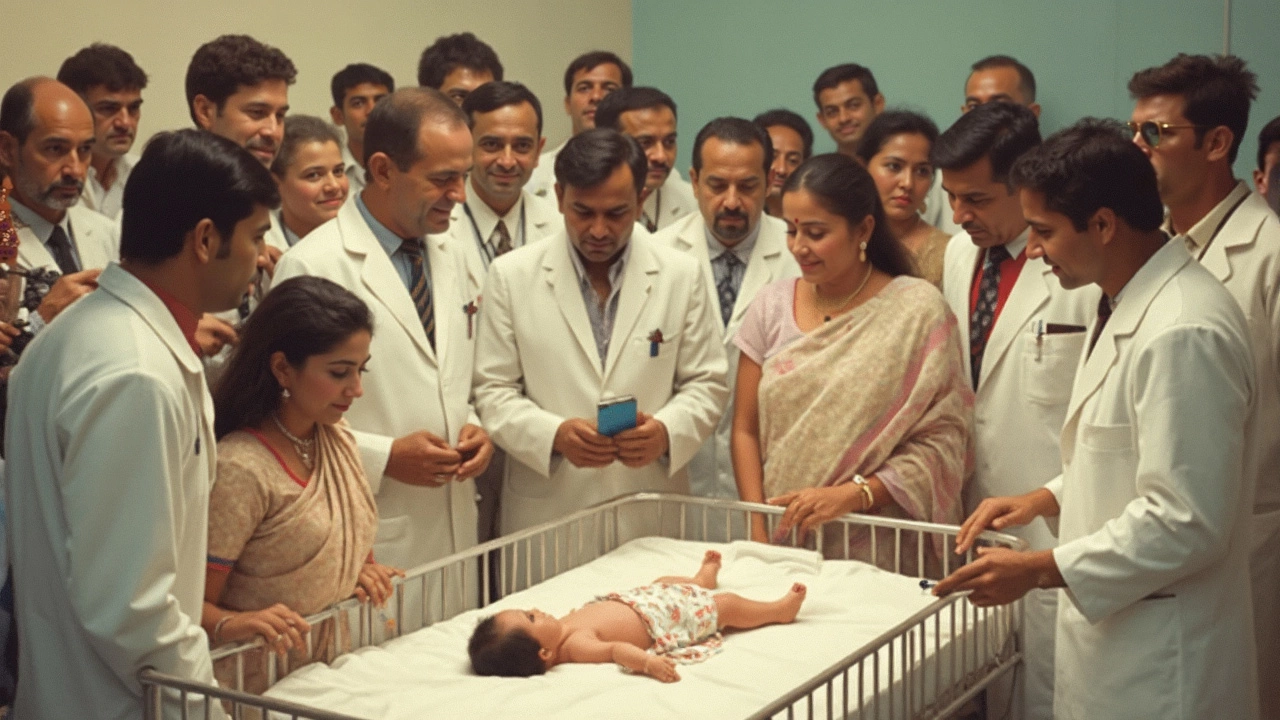
Who is the Most Famous IVF Baby? A Look at History's First Test-Tube Child
Wondering who the most famous IVF baby is? This article reveals the surprising story behind the world's first test-tube child, dives into how her birth made history, and explores what life has been like for her since. It also explains why Louise Brown became such a big deal for families struggling with fertility. Find out how her story changed the conversation around IVF and opened the doors for millions of kids born this way.
View MoreLatest Posts