IV Sedation Dentistry: What It Is, Who It Helps, and What to Expect
When you think of IV sedation dentistry, a medical technique where sedative drugs are delivered directly into the bloodstream to help patients relax during dental procedures. It's not sleep, not general anesthesia—it's a deep, calm state where you’re still breathing on your own but feel zero stress. This method is used when fear, past trauma, or complex treatments make sitting in the dental chair unbearable. Unlike oral sedatives that take time to kick in, IV sedation works fast, and the dentist can adjust the dose in real time. It’s also known as conscious sedation, a level of sedation where patients remain responsive but deeply relaxed, and it’s one of the safest options for people with severe dental anxiety.
People who need anxiety dentistry, specialized care designed for patients with intense fear or phobia of dental visits often turn to IV sedation because it removes the mental barrier. It’s not just for the nervous—people with a strong gag reflex, sensitive teeth, or those needing multiple procedures in one visit also benefit. The drugs used, like midazolam or propofol, are controlled and monitored closely. You won’t remember much, if anything, about the procedure. That’s not a side effect—it’s the goal. And while some might worry about needles, most patients say the brief pinch is nothing compared to the terror of sitting in the chair without it.
IV sedation isn’t for everyone. If you have certain heart conditions, severe lung disease, or are allergic to benzodiazepines, your dentist will check your medical history first. It’s also not a substitute for proper diagnosis or treatment—it’s a tool to make treatment possible. The real win? People who avoided the dentist for years because of fear finally get their teeth fixed. One patient told us she hadn’t seen a dentist in 18 years. After one IV sedation visit, she had six fillings done and didn’t cry once. That’s the power of this approach.
What you’ll find in the posts below are real stories and facts about how IV sedation dentistry works, who it helps most, what the side effects really are, and how it compares to other options. You’ll see how it fits into broader dental care, what to expect before and after, and why some people walk out feeling like they’ve been on vacation—not at the dentist.
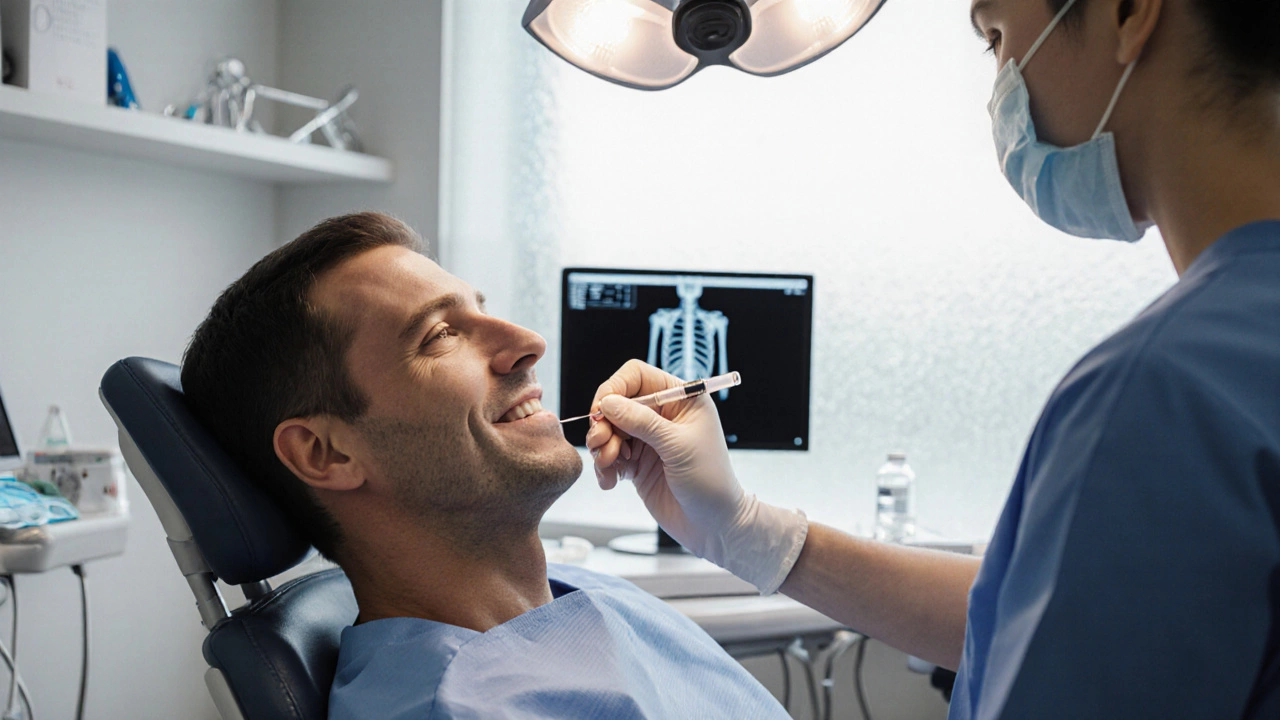
Do You Need to Be Put to Sleep for Dental Implants?
Learn whether dental implant surgery requires you to be put to sleep, explore local anesthesia, IV sedation, nitrous oxide, and general anesthesia options, and find out which method fits your health and budget.
View MoreLatest Posts