Incurable Cancer: What It Means, Who It Affects, and What Science Is Doing About It
When we talk about incurable cancer, a type of cancer that cannot be completely eliminated with current medical treatments. Also known as terminal cancer, it doesn’t mean the end of care—it means the focus shifts to control, comfort, and quality of life. Many people hear "incurable" and assume there’s nothing left to do. That’s not true. Even when a cure isn’t possible, treatments can slow the disease, ease pain, and give people more time—sometimes years—to live well.
Pancreatic cancer, a fast-growing tumor in the organ that digests food and regulates blood sugar is one of the most common types labeled incurable. Why? It rarely causes symptoms until it’s spread. By then, surgery isn’t an option, and chemo only buys time. Glioblastoma, a deadly brain tumor that grows like roots through healthy tissue, is another. It comes back even after surgery and radiation. And lung cancer, often caught too late because early signs are mistaken for a cold or smoking cough—it’s the top killer worldwide. These aren’t just statistics. They’re real people—parents, siblings, friends—who face this every day.
What’s changing? New drugs like targeted therapies and immunotherapies are giving some patients with incurable cancer longer lives than ever before. Some people with advanced pancreatic cancer are now living two or three years instead of six months. That’s not a cure, but it’s a huge shift. Doctors aren’t just treating tumors anymore—they’re treating the whole person. Nutrition, mental health, pain management, and even community support are now part of the plan. This isn’t about giving up. It’s about fighting smarter.
What you’ll find in the posts below isn’t just a list of facts. It’s real stories and clear answers about what makes certain cancers so hard to beat, how survival rates really work, and what’s on the horizon. You’ll see how early detection can change outcomes—even for the deadliest types. You’ll learn why some people survive longer than others, and what new research is bringing hope where there was none before. This isn’t about fear. It’s about understanding what’s real, what’s possible, and where to turn next.
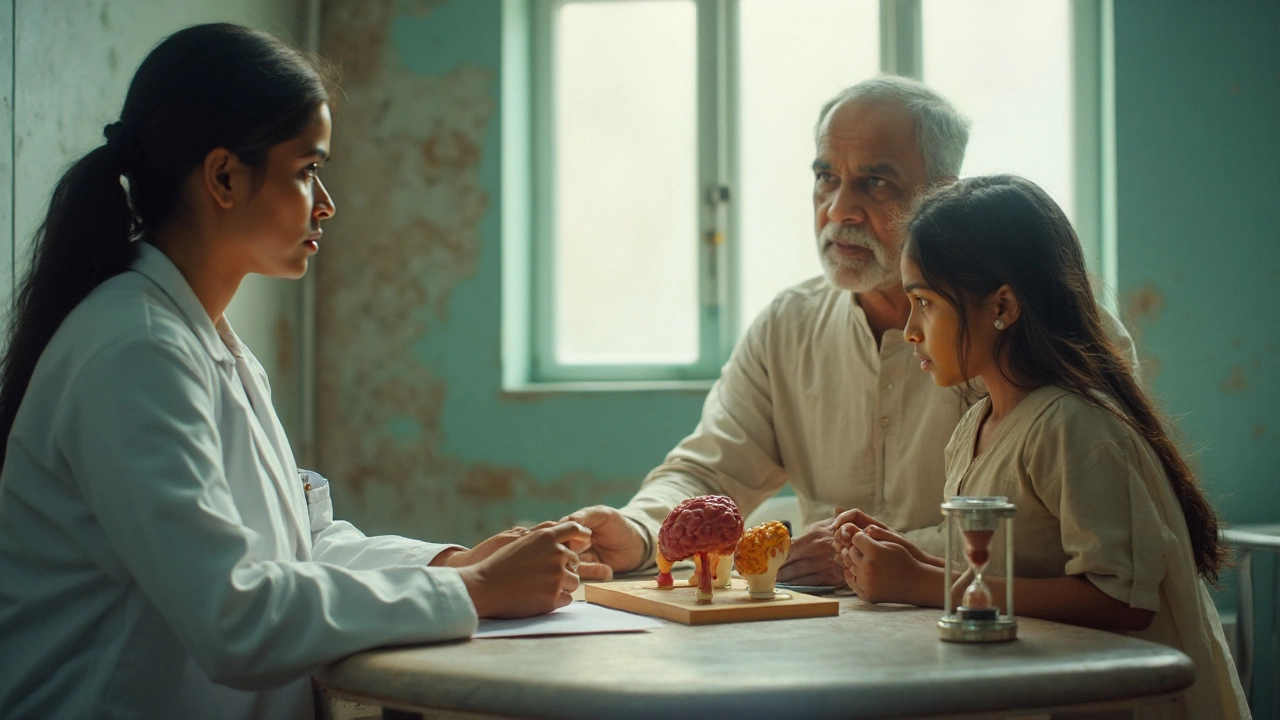
What Cancer Has No Cure? 2025 Reality, Hard-to-Cure Cancers, and What You Can Do
Is any cancer truly incurable? See which cancers have very low cure rates in 2025, why that is, what 'cure' actually means, and practical steps to improve outcomes.
View MoreLatest Posts