Implant Failure: Why It Happens and What You Can Do
When a implant failure, the process where a dental or medical implant doesn’t integrate with the body and must be removed. Also known as implant rejection, it’s not just bad luck—it’s often a mix of preventable factors like infection, poor bone quality, or smoking. You might think implants are foolproof, but up to 5% of dental implants fail within the first few years. And it’s not just about the implant itself. The body’s response, your overall health, and even how you care for it after surgery play huge roles.
One major cause is implant infection, a bacterial buildup around the implant that leads to inflammation and bone loss. It’s called peri-implantitis, and it sneaks up slowly—red gums, bleeding, looseness. People often ignore it until it’s too late. Then there’s dental implant success rate, the percentage of implants that integrate properly and last over time. It’s high—over 90%—but that 10%? It’s not random. It’s linked to diabetes, poor oral hygiene, or not following post-op instructions. Even something as simple as grinding your teeth can put too much pressure on a new implant and cause it to loosen.
And it’s not just dental. Bone screws, joint replacements, even pacemaker leads can fail for similar reasons: infection, improper placement, or the body rejecting the material. The key is early detection. If your implant feels loose, hurts when you chew, or your gums swell up weeks after surgery, don’t wait. That’s not normal healing—that’s a red flag.
What you’ll find below are real cases and clear explanations from people who’ve dealt with implant failure firsthand. You’ll see how one person’s infection was caught early because they knew the signs. Another’s implant failed because they kept smoking after surgery. There’s advice on what to ask your doctor before getting an implant, how to spot trouble before it’s too late, and what actually works when things go wrong. No fluff. Just what you need to know to protect yourself.
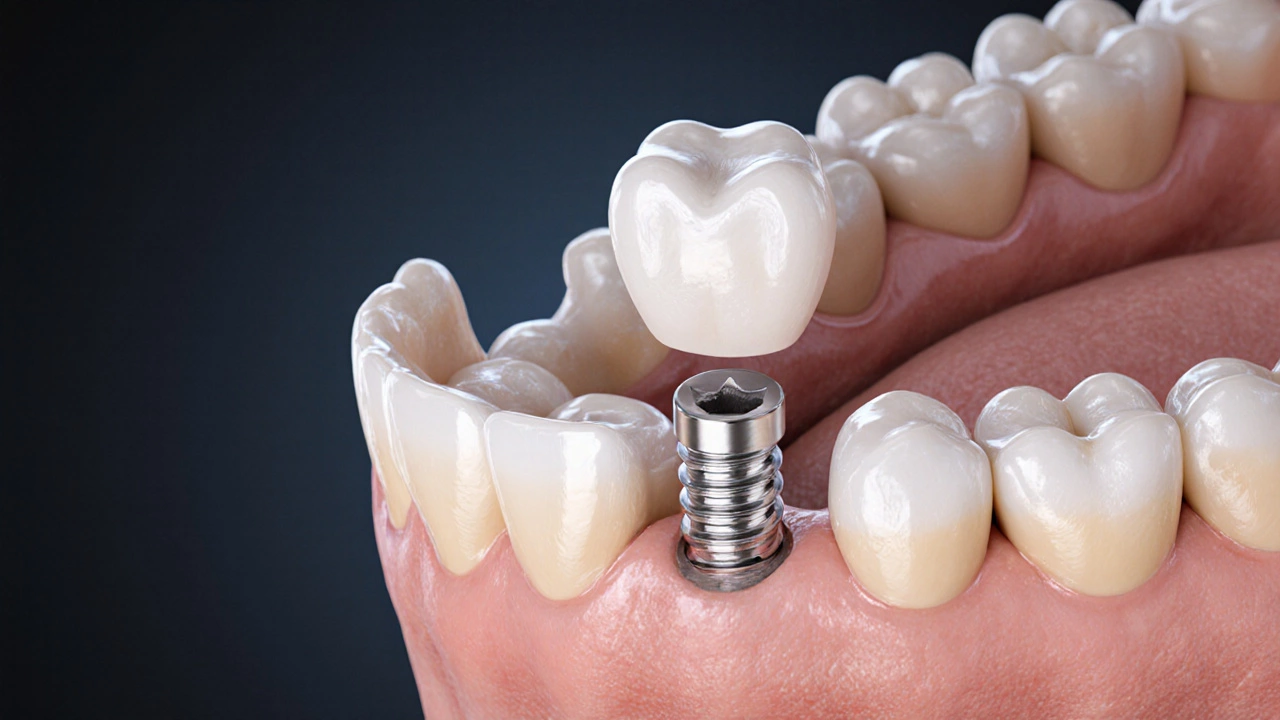
Dental Implant Drawbacks: Risks, Costs, and Complications Explained
Explore the major downsides of dental implants, including risks, costs, healing time, and long‑term maintenance, to help you decide if they're right for you.
View MoreLatest Posts