Heart Surgery and Mental Health: How Cardiac Procedures Affect Your Mind
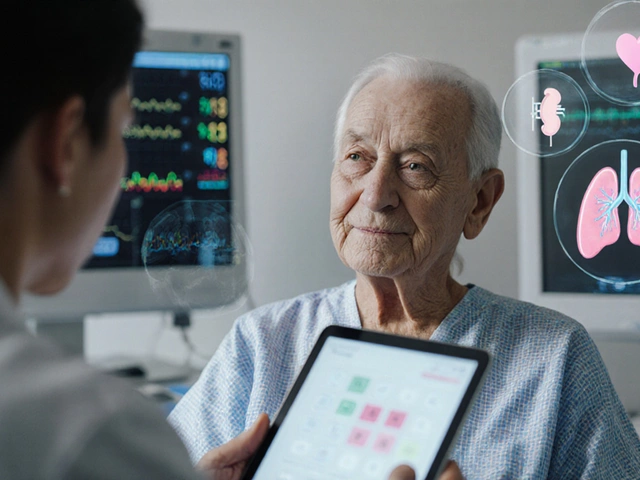
When you undergo heart surgery, a major medical procedure to repair or replace damaged heart tissue. Also known as cardiac surgery, it saves lives—but it doesn’t end when you leave the hospital. Many people expect to heal physically, but few are prepared for what happens to their mind. Up to 42% of older patients report brain fog, memory lapses, or trouble focusing weeks after surgery. This isn’t normal aging—it’s a documented effect of heart surgery on the brain.
The connection between heart surgery, a major intervention that temporarily stops blood flow and triggers systemic inflammation and mental health, your emotional, psychological, and cognitive well-being is real and often ignored. Stress, sleep disruption, pain meds, and even the anesthesia can trigger anxiety, depression, or confusion. Some patients feel guilty for not being "grateful" enough to survive. Others can’t shake the fear that their heart might fail again. This isn’t weakness—it’s a normal response to an extreme physical event.
And it’s not just about mood. post-op brain fog, a temporary decline in memory, focus, and processing speed after major surgery can last months. It affects your ability to return to work, manage medications, or even hold a conversation. Studies show that patients who talk about these feelings recover faster. Those who stay silent? They’re more likely to develop long-term depression. The same goes for cardiac surgery complications, unexpected outcomes like infection, stroke, or cognitive decline that can follow open-heart procedures. Knowing the risks isn’t scary—it’s empowering. It lets you ask the right questions before surgery and spot warning signs after.
What helps? Not just rest. Not just pills. Community, routine, movement, and being heard. People who join support groups, walk daily, or reconnect with family recover mentally faster than those who isolate. Therapy helps—but so does cooking a meal, watering plants, or just sitting with someone who doesn’t try to fix anything. Healing isn’t just in the hospital. It’s in the quiet moments after.
Below, you’ll find real stories and science-backed insights about what happens inside your body and mind after heart surgery. From the worst day of recovery to how to tell if your sadness is more than just fatigue. You’re not alone. And there’s more help here than you think.
Why Do People Experience Personality Changes After Open-Heart Surgery?
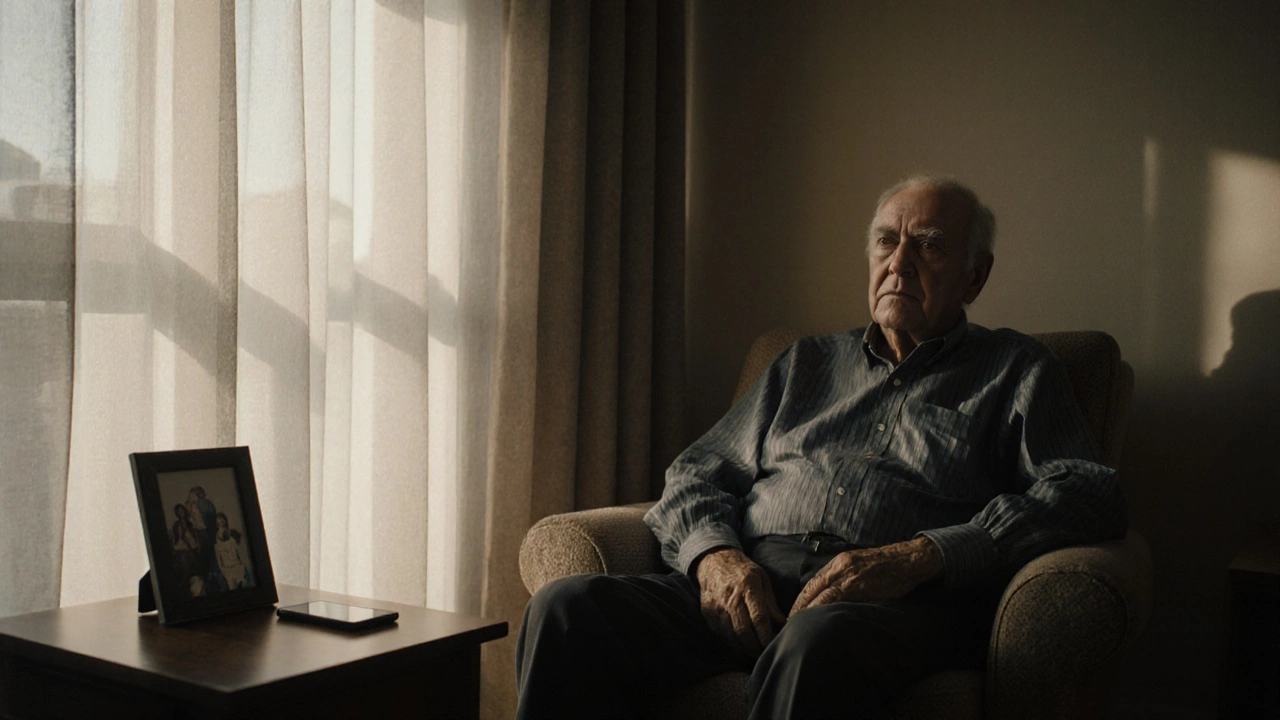
Many people experience personality and cognitive changes after open-heart surgery due to brain inflammation, micro-emboli, and anesthesia effects. These shifts are common, often temporary, and treatable with early intervention.
View MoreLatest Posts