Day 3 After Heart Surgery: What to Expect and How to Recover
On day 3 after heart surgery, the third day following open-heart or bypass surgery, when initial shock fades and real recovery begins, most patients start to feel something new—not just pain, but progress. This isn’t the day you’ll jump up and run, but it’s often the day you realize you’re not going to stay stuck in bed forever. Your body is working hard: inflammation is lowering, fluids are draining, and your heart is slowly learning to pump without extra support. You might still feel tired, confused, or even a little emotional—that’s normal. cognitive changes after heart surgery, temporary mental fog, memory lapses, or mood swings caused by anesthesia, inflammation, or reduced blood flow to the brain during the procedure are common in up to 42% of older patients, according to studies tracking brain function post-op. It’s not dementia. It’s not permanent. It’s your brain catching up.
By day 3, nurses will push you to sit up, stand, and take a few steps. This isn’t just busywork—it’s critical. Movement helps your lungs clear, prevents blood clots, and tells your heart it’s safe to work harder. You might feel dizzy or short of breath when standing—that’s okay. Tell someone. Don’t push through it. Your heart surgery recovery timeline, the expected progression of healing from surgery to full function, varying by age, health, and procedure type isn’t a race. It’s a rhythm. Some people walk across the room on day 3. Others need help just to sit in a chair. Both are fine. What matters is consistency, not speed. Pain will shift too. The sharp, stabbing kind from the incision fades. What remains is a deep ache, like your chest muscles are bruised from the inside. That’s the sternum healing. It takes weeks. Don’t lift anything heavier than a coffee cup. Don’t twist your torso. Your cardiac surgery side effects, common temporary issues after heart surgery including fatigue, swelling, sleep problems, and emotional ups and downs aren’t signs you’re doing something wrong—they’re signs your body is rebuilding.
Day 3 is also when families start asking, "When will they be back to normal?" The truth? Normal looks different now. You might not return to your old energy levels for months. But that doesn’t mean you’re broken. It means you’re healing. The brain fog, the fatigue, the irritability—they’re not in your head. They’re in your body’s chemistry, your nerves, your healing tissues. And they’re fading. Most people notice real improvement by day 7. By day 14, many can walk a block. By day 30, many are sleeping through the night. The key? Listen to your body, not the clock. And don’t ignore the small wins: eating a full meal, laughing without gasping, taking a shower without help. Those are victories. This isn’t a quick fix. It’s a quiet, stubborn rebuild. And what you’ll find below are real stories, real data, and real advice from people who’ve been right where you are—on day 3, wondering if they’ll ever feel like themselves again.
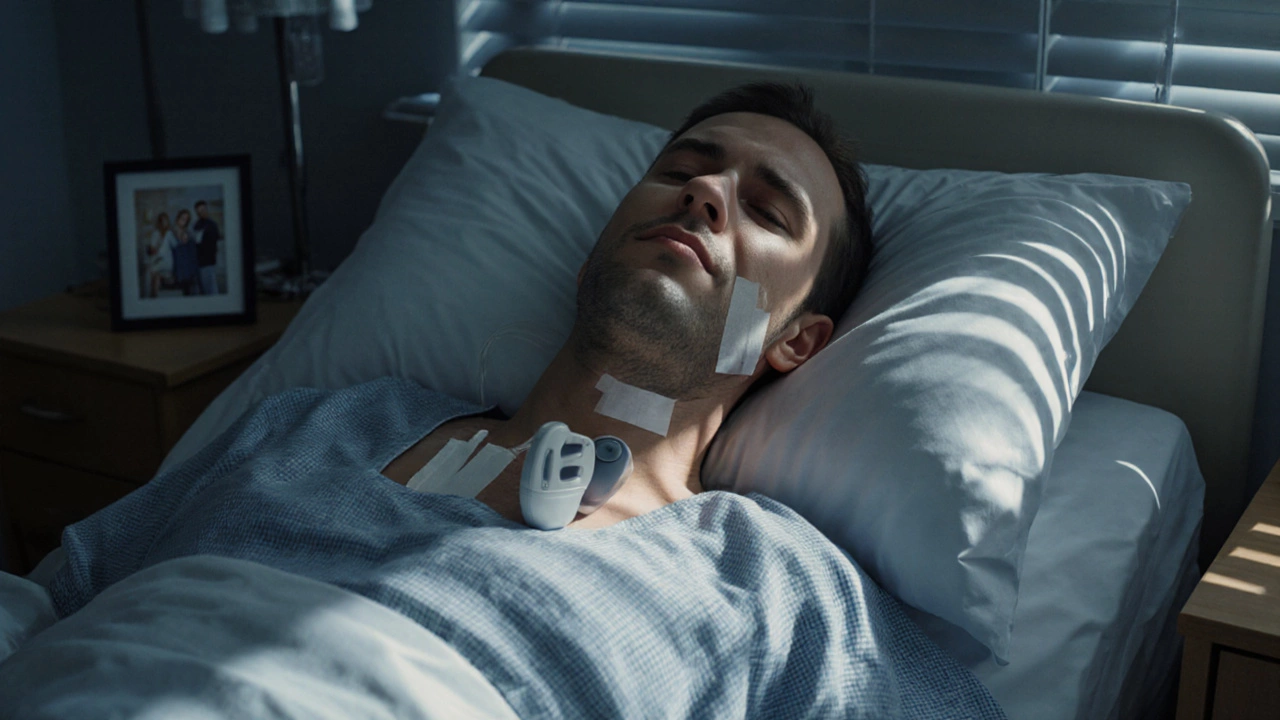
Why Is Day 3 After Heart Surgery the Worst?
Day 3 after heart surgery is often the hardest because pain peaks, inflammation rises, and emotional fatigue hits. Understanding why helps you prepare and recover better.
View MoreLatest Posts