Cognitive Changes Post-Cardiac Surgery: What Happens to Your Brain After Heart Surgery
When your heart stops during surgery, your brain doesn’t. But it still feels the shock. cognitive changes post-cardiac surgery, the temporary or sometimes lasting mental shifts that follow open-heart procedures. Also known as postoperative cognitive dysfunction, this isn’t just tiredness—it’s real brain fog that can make remembering names, focusing on conversations, or even following a recipe feel impossible. Studies show up to 42% of older adults report these symptoms weeks after surgery. It’s not rare. It’s not all in your head. It’s biology.
brain fog after heart surgery, a common symptom where thinking feels slow, cloudy, or disconnected often shows up between days 3 and 7—right when you think you’re turning the corner. Why? The heart-lung machine used in bypass surgery can release tiny air bubbles or clots into the bloodstream. These can briefly block small blood vessels in the brain. Inflammation from surgery also floods the body, and the brain doesn’t ignore it. Then there’s anesthesia—especially in older patients—that can linger longer than expected. And let’s not forget stress. Surgery is a massive physical and emotional event. Your brain is trying to heal while also processing fear, pain, and disrupted sleep.
post-op cognitive decline, a measurable drop in memory, attention, or processing speed after cardiac surgery is more common in people over 65, those with diabetes, high blood pressure, or a history of stroke. But it’s not just age. People who were already struggling with mild memory lapses before surgery are more likely to notice a bigger drop afterward. The good news? For most, it gets better. Within 3 to 6 months, brain function often returns to near-normal levels. Movement helps—walking daily. Sleep matters more than you think. Staying socially connected, even with short chats, keeps your brain active. And avoiding alcohol and sedatives gives your brain space to recover.
Some patients worry this is the start of dementia. It’s not. heart surgery brain effects, the temporary neurological impacts of cardiac procedures are usually reversible. That doesn’t make them easy to live with, though. If you’re forgetting where you put your keys, mixing up names, or feeling mentally drained after reading a single paragraph—you’re not alone. And you’re not broken. Your brain is recovering from a major event, just like your chest is healing from the incision.
What you’ll find below are real stories and clear facts from people who’ve been through this. We’ve gathered posts that explain who’s most at risk, what symptoms to watch for, how long recovery usually takes, and simple things you can do to speed it up. No fluff. No jargon. Just what works.
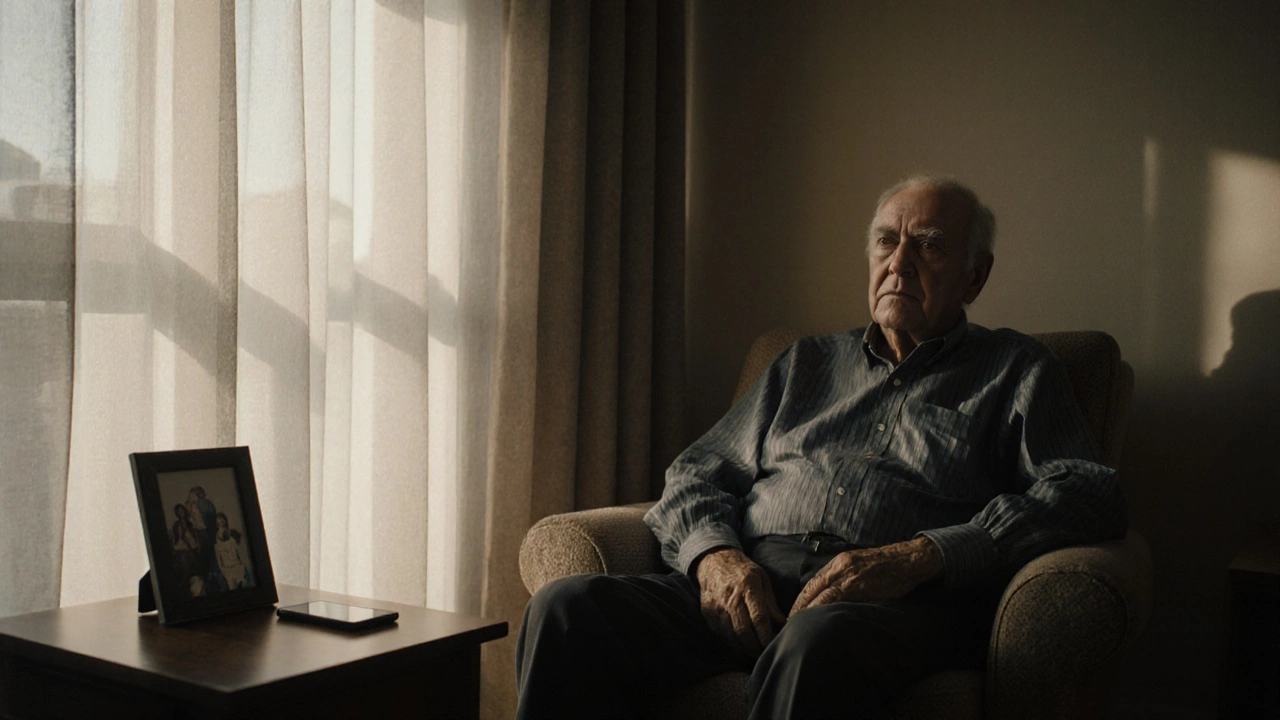
Why Do People Experience Personality Changes After Open-Heart Surgery?
Many people experience personality and cognitive changes after open-heart surgery due to brain inflammation, micro-emboli, and anesthesia effects. These shifts are common, often temporary, and treatable with early intervention.
View MoreLatest Posts