Chemo Rounds: What to Expect During Cancer Treatment Cycles
When someone starts chemo rounds, a series of scheduled cancer treatments using drugs to kill rapidly dividing cells. Also known as chemotherapy cycles, these are the backbone of treatment for many types of cancer, from breast to lung to leukemia. Chemo rounds aren’t one-time events—they’re planned in cycles, usually every 2 to 4 weeks, giving your body time to recover between doses. This isn’t because the drugs stop working—it’s because your bone marrow, gut lining, and hair follicles need rest too.
Each chemotherapy cycle, a repeating pattern of treatment and rest periods designed to maximize cancer cell kill while minimizing harm to healthy tissue follows a pattern: infusion day, then recovery. On infusion day, you might sit for hours while drugs drip into your vein, or swallow pills at home. The real challenge comes after. Fatigue hits hard. Nausea can last days. Some lose their hair. Others feel numbness in their fingers or lose their appetite. These aren’t random side effects—they’re the direct result of chemo targeting fast-growing cells, whether they’re cancerous or not. That’s why chemotherapy side effects, the predictable physical reactions caused by cancer drugs affecting healthy tissues are so consistent across patients: tiredness, low blood counts, mouth sores, and brain fog. Doctors track these closely, adjusting doses or delaying rounds if your body can’t handle it.
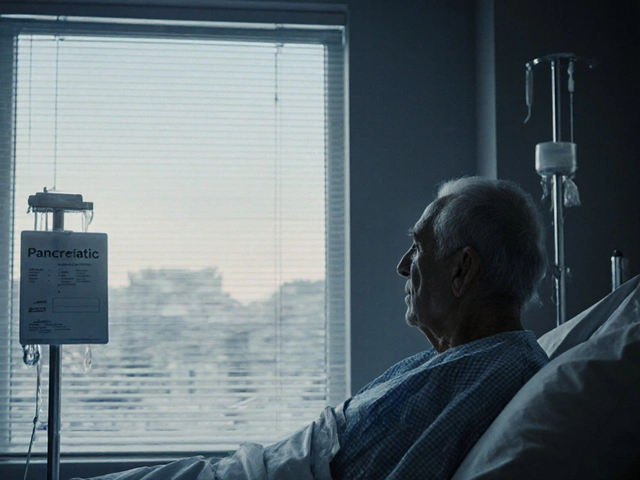
What most people don’t talk about is the emotional rhythm of chemo rounds. The dread before the appointment. The relief after. The guilt when you feel better between cycles but still can’t do normal things. It’s not just physical—it’s mental. That’s why many patients find support groups or counseling helpful, even if they’re not "depressed." Recovery isn’t just about healing your body—it’s about rebuilding your routine, your confidence, your sense of control. And that takes time.
The posts below cover real experiences and facts about what happens during and after chemo rounds. You’ll find stories about weight loss on drugs like Ozempic that sometimes overlap with cancer treatment, how heart surgery risks can complicate recovery, and why brain fog after major procedures is more common than people admit. You’ll also see how mental health, diet, and even online pharmacies play a role in managing long-term care. These aren’t just medical facts—they’re lived realities. Whether you’re a patient, a caregiver, or just trying to understand, this collection gives you the unfiltered details you won’t get from a brochure.

Is 4 Rounds of Chemo a Lot? Understanding Chemotherapy Treatment Cycles
Confused about whether 4 rounds of chemo is a lot? Get clear info on chemo cycles, what to expect, and how to handle it if you or a loved one is facing cancer.
View MoreLatest Posts