Heart Recovery Lifestyle Optimizer
Surgery fixes the mechanical problem, but your daily habits determine the long-term outcome. Select your current habits to see your "Heart Longevity Profile" and get targeted recommendations.
Key Takeaways for Your Recovery
- Most patients return to a normal or near-normal life expectancy after successful surgery.
- The first six months are the most critical for establishing habits that dictate long-term success.
- Cardiac rehab is not optional; it's a primary driver of survival rates.
- Managing blood pressure and cholesterol post-op is more important than it was before the surgery.
Understanding the Impact of the Procedure
When we talk about open-heart surgery, we aren't talking about one single event. There is a big difference between a Coronary Artery Bypass Grafting (CABG) and a valve repair. CABG is a procedure where a healthy blood vessel from another part of the body is used to bypass a blocked artery to improve blood flow to the heart. For someone with severe blockages, this surgery essentially resets the clock by preventing a massive heart attack.
Then you have Heart Valve Replacement. This involves replacing a diseased or damaged heart valve with a mechanical or biological prosthetic valve. Whether it's the mitral or aortic valve, fixing the "plumbing" of the heart reduces the strain on the heart muscle, preventing heart failure. The long-term outlook depends heavily on which procedure you had and why you needed it. For instance, a 65-year-old getting a bypass due to lifestyle-induced plaque often has a better long-term prognosis than someone with genetic cardiomyopathy, but both can live decades more with the right care.
The Numbers: What Does the Data Actually Say?
It's easy to get lost in medical journals, but let's look at the reality. Data from large-scale registries shows that patients who undergo CABG often have a survival rate that rivals people who never had heart disease, provided they manage their risk factors afterward. For example, studies on long-term outcomes show that 10-year survival rates for bypass patients are often above 80%.
However, these numbers aren't magic. They are tied to "compliance." If you go back to smoking or ignore your medications, the grafts-those new vessels used in the bypass-can clog up just like the original arteries did. The surgery fixes the current blockage, but it doesn't cure the disease that caused the blockage. That's why the focus shifts from the operating table to the dining table and the gym.
| Factor | Low Impact (Risky) | High Impact (Protective) |
|---|---|---|
| Physical Activity | Sedentary lifestyle | Consistent Cardiac Rehab |
| Diet | High sodium/saturated fats | Mediterranean-style diet |
| Medication | Skipping doses/irregularity | Strict adherence to Statins/Beta-blockers |
| Mental Health | Unmanaged depression/anxiety | Support groups and therapy |
The Role of Cardiac Rehabilitation
If you've just had surgery, you might think the goal is simply to "get back to normal." But "normal" is what got you into the hospital. Cardiac Rehabilitation is the bridge between the hospital and a long life. Cardiac rehab is a medically supervised program that includes exercise training, education on heart-healthy living, and counseling to reduce stress.
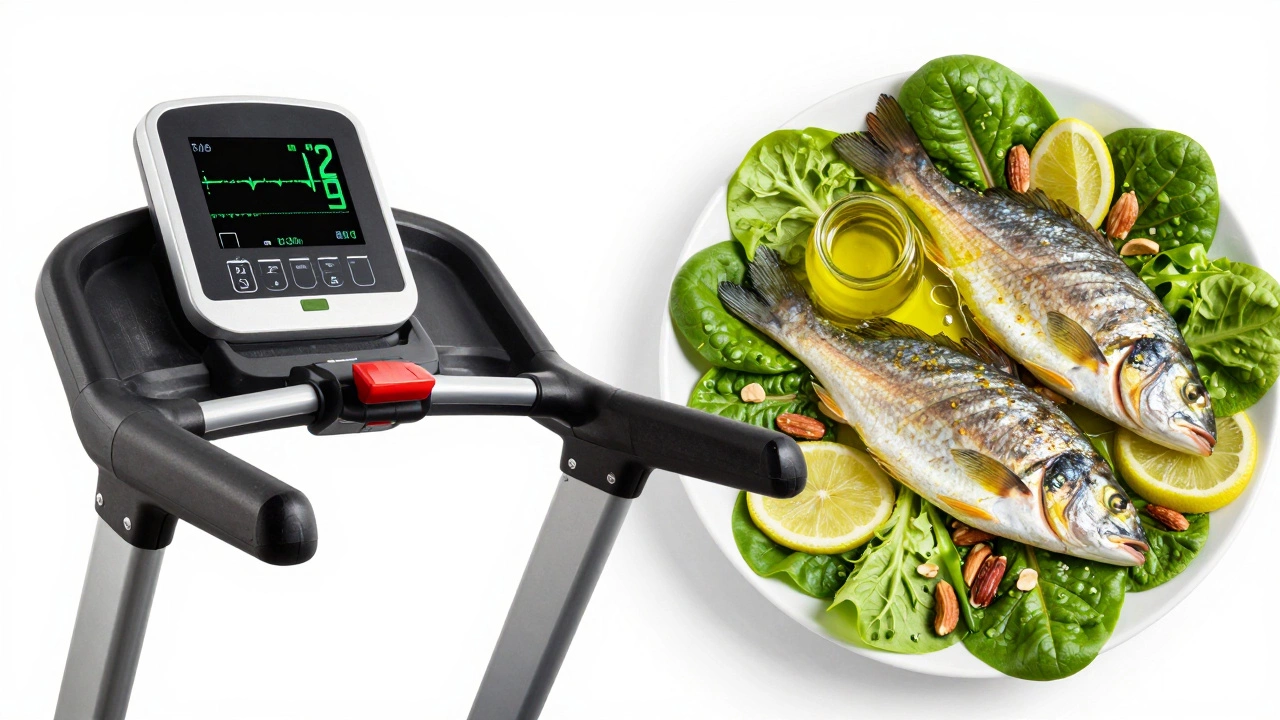
Why is this so vital? Because your heart is a muscle that has been through trauma. It needs to be retrained. In a rehab setting, you aren't just walking on a treadmill; you're being monitored by professionals who track your heart rate and blood pressure in real-time. This removes the fear of "pushing too hard," which often keeps patients sedentary for too long. People who complete a full course of rehab have significantly lower readmission rates and a higher quality of life compared to those who try to recover on their own.
Managing the "New Normal" Meds
You're likely going to leave the hospital with a handful of prescriptions. Some people find the list overwhelming and try to taper off once they feel better. This is a dangerous mistake. To ensure a long life, you need to understand the roles of these entities. Statins aren't just for lowering cholesterol; they stabilize the plaque in your arteries, preventing it from rupturing. Beta-blockers lower your heart rate, giving your heart more time to rest between beats.
If you had a mechanical valve, you'll likely be on Warfarin or another anticoagulant. Warfarin is a blood-thinning medication used to prevent clots from forming on the prosthetic valve. While managing this requires regular blood tests (INR tests), it is the non-negotiable price for a valve that can last a lifetime. The key is consistency. Missing a few doses of a blood thinner can lead to a stroke, which instantly compromises the longevity the surgery was meant to provide.
The Psychological Hurdle
We spend a lot of time talking about the heart, but the brain is just as important. It's incredibly common to experience "post-pump depression." After the adrenaline of surgery wears off, many people feel a wave of sadness, anxiety, or a fear of death. This isn't just "in your head"; it's a physiological response to the stress of a major operation and the use of a heart-lung machine.
If you find yourself staring at the wall or feeling disconnected from your family, don't ignore it. Chronic stress releases cortisol, which can actually harm your recovering heart. Finding a support group-whether it's a local community center or an online forum of fellow survivors-can be as curative as a pill. Knowing that someone else felt the same fear and came out the other side helps you move from a state of survival to a state of thriving.

Nutrition and Lifestyle Reset
You can't out-run a bad diet, and you certainly can't out-run it after heart surgery. The goal now is to reduce inflammation. This usually means moving toward a Mediterranean-style diet: lots of olive oil, fish, nuts, and leafy greens, while cutting out processed sugars and excessive salt. Salt is the enemy here because it causes fluid retention, which puts extra pressure on your heart walls.
Small changes make the biggest difference. Instead of trying to overhaul everything overnight, start with one meal. Replace the morning bagel with oatmeal and berries. Trade the salt shaker for lemon juice and herbs. These shifts reduce the workload on your Myocardium, which is the muscular tissue of the heart, ensuring it doesn't wear out prematurely.
How long does it take to fully recover from open-heart surgery?
Physical recovery usually takes 6 to 12 weeks for the sternum to heal, but emotional and functional recovery can take up to a year. Most people return to light activities within a month, but full strength returns gradually as you progress through cardiac rehab.
Will I be able to exercise again?
Yes, and you should. While you'll need to avoid heavy lifting (usually nothing over 5-10 lbs) for the first few months to let your chest bone heal, walking and light cardio are encouraged. Always clear your specific exercise routine with your cardiologist first.
Can the new grafts in a bypass surgery fail?
Yes, they can. The new vessels are still subject to the same disease processes as the old ones. This is why managing blood pressure and cholesterol is critical-if you don't control the underlying cause, the bypass grafts can eventually clog, though this usually takes many years with proper care.
Do I need to change my diet forever?
Generally, yes. While you can enjoy the occasional treat, a heart-healthy diet (low in sodium and saturated fats) is a lifelong commitment to keep your arteries clear and your blood pressure stable.
What are the warning signs that something is wrong post-surgery?
You should watch for sudden shortness of breath, chest pain that feels like the original symptoms, unexplained swelling in the ankles or legs, or a fever. Any of these should be reported to your medical team immediately.
Next Steps for Your Journey
If you're just starting your recovery, your immediate focus should be on the "small wins." Track your daily steps, keep a log of your blood pressure, and be honest with your doctors about how you're feeling mentally. For those who are a few years post-op, the goal is maintenance. Don't let the feeling of being "cured" lead to complacency. Schedule your check-ups and keep your activity levels high. Living a long life after heart surgery isn't about luck; it's about a series of small, daily decisions that protect your heart.