Diabetes Medication Matchmaker
Select your current health status and priorities to see which medication classes might be a good fit for you. This is an educational tool, not medical advice.
You’re standing in a pharmacy aisle, staring at a wall of boxes. Metformin, Glipizide, Jardiance, Ozempic-the names blur together. You just got your HbA1c result back, and it’s higher than you wanted. Your doctor said, "Start medication," but didn’t specify which one is best. Or maybe they did, but you’re wondering if there’s something better, safer, or cheaper.
Here’s the hard truth: There is no single "best" medicine for diabetes. If someone tells you otherwise, they’re selling something. The right drug depends entirely on your body, your lifestyle, your wallet, and what else is going on with your health. A pill that works wonders for your neighbor might make you feel like garbage. So, how do you actually choose?
| Medication Class | How It Works | Weight Impact | Hypoglycemia Risk | Cardio/Renal Benefit |
|---|---|---|---|---|
| Metformin | Reduces liver glucose production; improves insulin sensitivity | Neutral or slight loss | Low | Modest |
| SGLT2 Inhibitors | Blocks sugar reabsorption in kidneys (excreted in urine) | Loss (2-3 kg avg) | Low | High (Heart/Kidney protection) |
| GLP-1 Agonists | Mimics gut hormone; slows digestion, boosts insulin | Significant Loss | Low | High (Heart protection) |
| Sulfonylureas | Stimulates pancreas to release more insulin | Gain | High | None |
| DPP-4 Inhibitors | Prevents breakdown of natural incretin hormones | Neutral | Low | Neutral |
Why Metformin Is Still the Gold Standard
For decades, Metformin has been the first-line defense against Type 2 Diabetes. Why? Because it’s cheap, effective, and doesn’t cause weight gain. In fact, many people lose a little weight while taking it. It works by telling your liver to stop pumping out so much glucose overnight and helps your muscles use insulin better. But let’s be real about the side effects. Up to 30% of new users experience stomach issues-nausea, diarrhea, bloating. This usually fades after a few weeks, but not always. If you have severe kidney disease (eGFR below 30), doctors will likely avoid it entirely. Also, long-term use can deplete Vitamin B12 levels, so ask your doctor to check this annually.
The New Heavyweights: SGLT2s and GLP-1s
If you have heart disease, kidney issues, or struggle with obesity, guidelines from the American Diabetes Association (ADA) now often skip straight to newer classes. These aren’t just sugar-lowering drugs; they are organ-protectors.
SGLT2 Inhibitors (like Empagliflozin or Dapagliflozin) work differently. They force your kidneys to dump excess sugar into your urine. Yes, you literally pee out calories. This leads to modest weight loss and lower blood pressure. Crucially, studies like EMPA-REG OUTCOME showed these drugs significantly reduce the risk of heart failure hospitalization and slow kidney damage progression. The downside? Genital yeast infections and urinary tract infections are more common because you’re creating a sugary environment down there. Hygiene becomes critical.
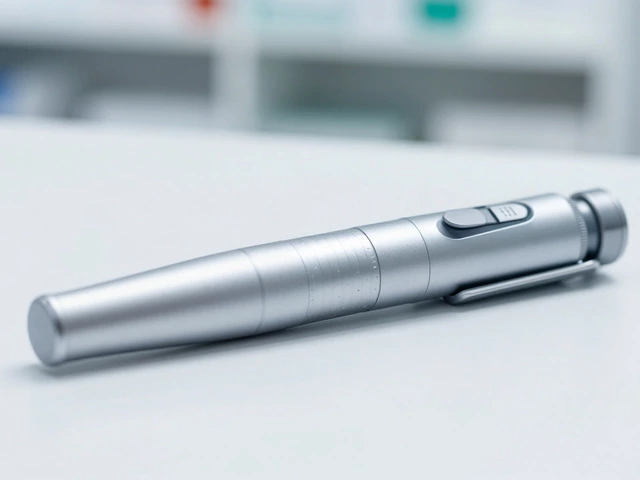
Then there are GLP-1 Receptor Agonists (like Semaglutide, Liraglutide, or Dulaglutide). Originally injectables, some are now available as pills (Oral Semaglutide). These mimic a hormone called glucagon-like peptide-1, which tells your brain you’re full and your pancreas to release insulin only when you eat. The weight loss potential here is massive-some patients see 10-15% body weight reduction. But they come with a price tag. In India, branded versions can cost ₹3,000-₹8,000 per month, whereas generic Metformin costs pennies. Nausea is also a frequent complaint initially.
When Old School Drugs Still Make Sense
Not everyone needs the fancy stuff. If cost is your primary constraint, older drugs still hold their ground. Sulfonylureas (such as Glimepiride or Gliclazide) are incredibly potent at lowering blood sugar quickly. They squeeze every last drop of insulin out of your pancreas. The catch? They don’t discriminate. If you skip a meal, your blood sugar can crash dangerously low (hypoglycemia). They also tend to cause weight gain. For elderly patients who live alone, this hypo-risk is a serious safety concern.
DPP-4 Inhibitors (like Sitagliptin or Vildagliptin) are the "gentle giants." They don’t cause lows, don’t affect weight, and have minimal side effects. However, they aren’t very powerful. If your HbA1c is 9.5%, a DPP-4 alone probably won’t get you to target. They are great add-ons, though, if Metformin isn’t enough and you can’t tolerate GLP-1s.

Insulin: When Pills Aren’t Enough
There’s a stigma around insulin in India. People think needing shots means they’ve "failed." That’s wrong. Type 2 Diabetes is progressive. Over time, your beta cells burn out. Insulin isn’t a punishment; it’s a replacement therapy. Modern analog insulins (like Glargine or Degludec) provide steady background coverage without the erratic peaks of older human insulins. Rapid-acting analogs (Lispro, Aspart) handle mealtime spikes precisely. If you’re newly diagnosed with an HbA1c above 10% or experiencing symptoms like extreme thirst and unexplained weight loss, starting insulin temporarily can "rest" your pancreas. Many patients later taper off back to pills once their toxicity resolves.
How to Choose: A Decision Framework
So, how do you talk to your doctor? Don’t just ask "What’s best?" Ask specific questions based on your profile:
- Do I have heart or kidney disease? If yes, push for an SGLT2 inhibitor or GLP-1 agonist. Guidelines strongly favor these for organ protection.
- Am I overweight? Prioritize GLP-1s or SGLT2s. Avoid Sulfonylureas if possible.
- Is budget my main issue? Stick with Metformin + Sulfonylurea combo. It’s the most affordable regimen that works.
- Do I forget doses often? Once-daily options (most SGLT2s, DPP-4s, and weekly GLP-1 injections) improve adherence compared to twice-daily drugs.
- Do I have frequent UTIs or yeast infections? Be cautious with SGLT2s.

Practical Tips for Managing Meds
Taking medication correctly matters as much as choosing the right one. Here are non-negotiable rules:
- Never stop abruptly. Even if your sugar looks normal, stopping meds can lead to rebound hyperglycemia.
- Monitor before changing. Keep a log of fasting and post-meal sugars for at least two weeks before discussing adjustments with your doctor.
- Watch for interactions. Steroids (for asthma or arthritis) spike blood sugar dramatically. Inform your prescriber if you start them.
- Hydrate. Especially if you’re on SGLT2 inhibitors, dehydration increases the risk of ketosis and infections.
Frequently Asked Questions
Is Metformin safe for long-term use?
Yes, Metformin has been used safely for over 60 years. It does not harm the kidneys or liver in typical doses. The main long-term consideration is Vitamin B12 deficiency, which is easily managed with supplements. Always ensure your kidney function (eGFR) is monitored annually.
Can I reverse Type 2 Diabetes with medication alone?
Medication helps control blood sugar, but remission usually requires significant lifestyle changes, particularly weight loss. Newer drugs like GLP-1 agonists aid this process by reducing appetite, making it easier to stick to a diet. However, calling it a "cure" is misleading; it’s better described as remission, where normal blood sugar levels are maintained without medication.
Which diabetes medicine causes the least weight gain?
SGLT2 inhibitors and GLP-1 receptor agonists are associated with weight loss. Metformin is generally weight-neutral. Conversely, Sulfonylureas, Thiazolidinediones (like Pioglitazone), and Insulin typically cause weight gain.
Are herbal remedies better than allopathic medicines?
Herbal remedies like Karela juice, Jamun, or Fenugreek may offer mild benefits, but they rarely provide sufficient glucose control for established Type 2 Diabetes. Relying solely on herbs can delay proper treatment, leading to complications. They are best used as complementary therapies alongside prescribed medication, not replacements.
What happens if I miss a dose of my diabetes medication?
It depends on the drug. For Metformin, take it as soon as you remember unless it’s close to the next dose. Never double up. For Sulfonylureas, missing a dose might cause a temporary spike, but doubling could cause a dangerous low. Check the patient information leaflet or call your pharmacist for specific advice.